Why Apple Ended Leather Accessories & Watch Band Options

Why did Apple discontinue leather products?
Apple discontinued leather products largely to align with its environmental and material goals. Leather production is resource-intensive, and sourcing it at global scale raises sustainability, supply-chain, and animal-welfare concerns that don’t fit neatly with Apple’s broader shift toward recycled and lower-impact materials.
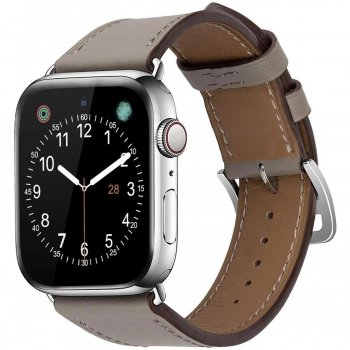
That change showed up most visibly in accessories: Apple stopped offering new leather iPhone cases and leather Apple Watch bands in favor of alternatives marketed as more eco-minded. For shoppers, the practical outcome is simple—official leather options became harder to find, while third-party leather bands and legacy Apple leather stock remain available through resellers.
What does this mean for Apple Watch leather bands?
If you already own an Apple leather band, it can still be a solid long-term accessory. Leather tends to develop a patina and can stay comfortable for years, but it benefits from basic care and sensible use (for example, avoiding repeated soaking or heavy sweat exposure).
For anyone deciding between leather and newer non-leather materials, it helps to focus on fit, comfort, closure style, and daily routine (office wear vs. workouts). If you’re comparing materials or trying to pick the right size and style, see this guide for practical buying and care details: Leather Apple Watch Strap Guide: Fit, Style & Care.
Are there good alternatives to leather?
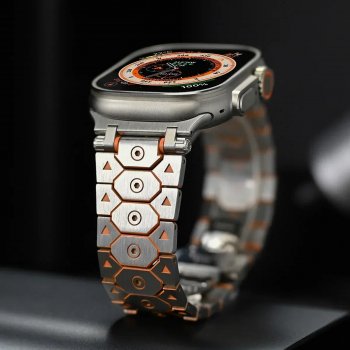
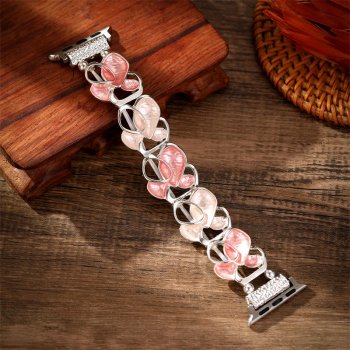
Yes. Depending on the look and use-case, popular substitutes include woven fabric straps, silicone for sports, metal link bracelets for durability, and “leather-like” composites. Each has tradeoffs: silicone is easy to clean but less dressy, while metal is long-lasting but heavier on the wrist.
For Why Apple Ended Leather Accessories & Watch Band Options, the best answer depends on fit, material, care instructions, and how the product will be used day to day.
FAQ
How do you care for a leather Apple Watch strap?
Wipe it with a soft, dry cloth after wear, keep it away from prolonged moisture, and let it air-dry if it gets damp. Occasional conditioning can help reduce drying or cracking, but avoid over-applying products that can darken the leather.












Leave a comment