Metal Watch Bracelet Fit: One-Finger Rule & Placement

How should a metal watch bracelet fit?
A metal watch bracelet should feel secure without pinching, sliding, or leaving deep marks. A good fit keeps the watch case centered on the top of your wrist and lets your skin breathe—especially important for all-day wear and warmer weather.
The “one-finger” comfort check
With the clasp closed, you should be able to slip one finger between the bracelet and your wrist. If you can’t fit a finger at all, it’s likely too tight. If you can fit two fingers easily or the watch rotates to the underside of your wrist, it’s probably too loose.
Where the watch should sit
The watch case should sit just above the wrist bone (the ulna). When the bracelet fits well, the case stays in place when you type, walk, or gesture, rather than creeping down toward your hand. If it rides up and down with every movement, remove a small amount of slack.
Signs it’s too tight vs. too loose
Too tight: tingling, redness that lasts more than a few minutes after removal, indentations, or a “hot spot” under the clasp. Too loose: frequent rotation, audible clinking, the clasp shifting to the side, or the case sliding during normal activity.
Adjusting for swelling and daily wear
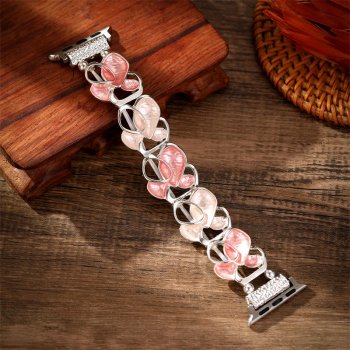
Wrists change size throughout the day due to heat, exercise, hydration, and travel. Aim for a fit that’s comfortable at your largest typical wrist size; a slightly snug morning fit can become restrictive by afternoon. If you like a cleaner look but want flexibility, consider styles designed to move with you, such as elastic or stretch-friendly metal bands.
For more detailed fit and comfort tips—especially if you’re comparing metal stretch designs—see the complete guide here: https://marvellene.com/guide-floral-metal-elastic-apple-watch-band-fit-comfort/.
FAQ
Should you size a watch bracelet for summer or winter?
Size it for your warmer, more swollen moments, since tightness is what causes discomfort. If you’re between sizes, choose the option that won’t pinch in heat and consider micro-adjustments or a more flexible band style.













Leave a comment