What Is the 2/3 Rule for Wall Art? A Practical Guide
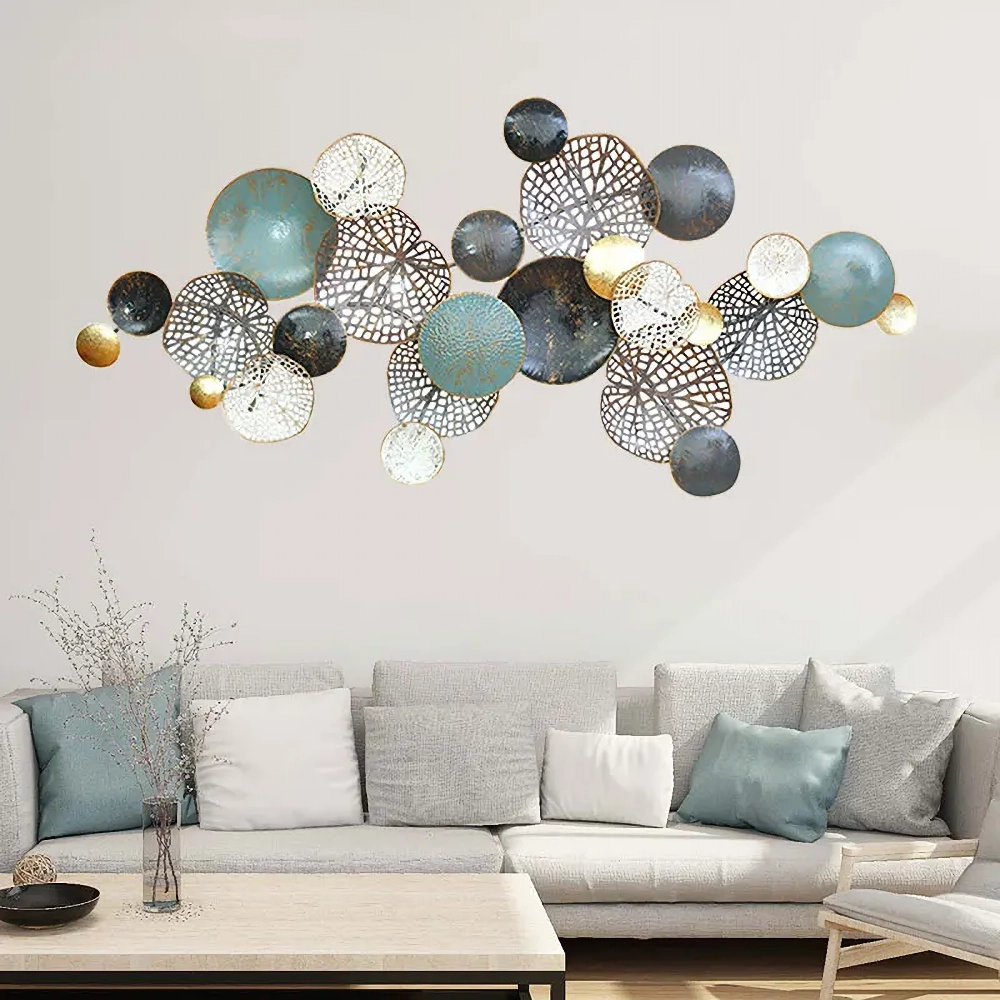
What is the 2/3 rule for wall art?
The 2/3 rule is a simple way to choose wall art that looks balanced above a piece of furniture. Aim for the artwork, or the combined width of a gallery arrangement, to measure about two-thirds the width of the furniture below it. For example, if your sofa is 90 inches wide, look for art that spans roughly 60 inches.
Use this guideline as a starting point, not a rigid requirement. Your room, the shape of the artwork, and the amount of open space around it can all influence what looks right.
How do you apply the rule?
First, measure the width of the sofa, console, bed, or other furniture you want to anchor. Multiply that number by 0.67 to find an approximate target width. Then measure the complete artwork, including its frame, or the full span of a grouped arrangement.
For an 84-inch sofa, the target is about 56 inches. You could choose one substantial piece or arrange several smaller pieces to cover a similar width. When grouping art, include the spaces between pieces in your total measurement.
Does the rule apply to an empty wall?
Yes, but use the available wall space as your reference rather than furniture. Art that covers about two-thirds of the usable width can create a focal point without making the wall feel crowded. Measure between visual boundaries, such as corners, doorways, or windows, instead of assuming the entire wall is available.
A single narrow piece can still work on a large wall when you want a quieter look. You can also build a broader arrangement with multiple pieces, leaving enough space around the group for it to stand out.
How should you hang art above furniture?
Center the artwork over the furniture rather than automatically centering it on the wall. A gap of approximately 6 to 8 inches between the furniture and the bottom of the art is a useful starting point; adjust it to suit the furniture and the room.
For metal wall art, account for the piece’s full outer dimensions, including any projecting shapes. Use mounting hardware suited to the artwork’s weight and your wall material. For more ideas, explore our guide to metal wall art for living rooms and restaurants.
FAQ
How far apart should gallery wall pieces be?
A gap of about 2 to 3 inches between pieces is a useful starting point. Keep spacing consistent to help the arrangement feel like one cohesive display.










Leave a comment