How Tight Should a Metal Watch Bracelet Be? Fit Guide
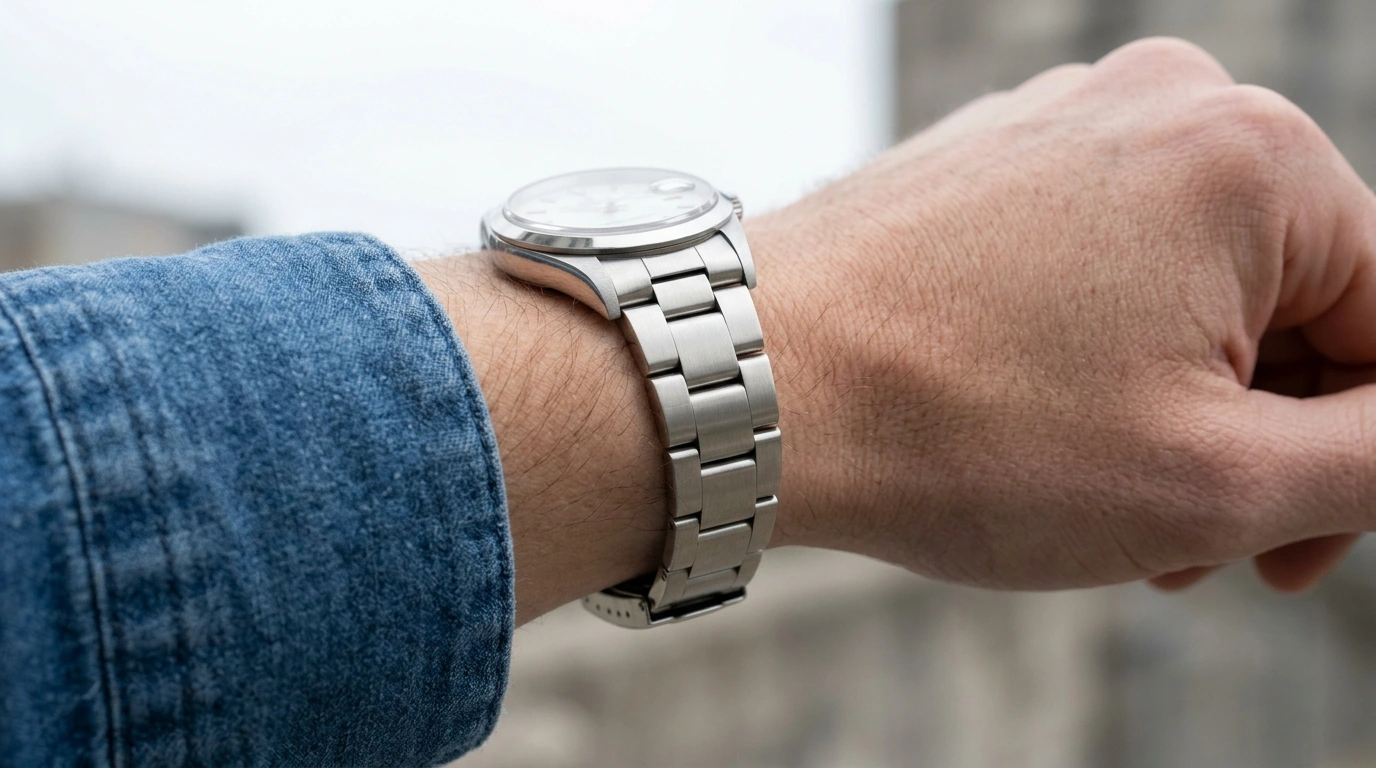
How tight should a metal watch bracelet be?
A metal watch bracelet should feel secure without squeezing your wrist. You should be able to slide one finger between the bracelet and your skin, though the exact space will depend on the bracelet’s design and your comfort. The watch may shift a little as you move, but it should not spin freely or leave a deep indentation.
We recommend trying the fit while your hand is relaxed and again while you move your wrist. A bracelet that feels fine when you are still can pinch when you bend your wrist or become uncomfortable as your wrist expands during the day.
How can you tell if the bracelet fits comfortably?
Look for a fit that keeps the watch in place without restricting movement. These are useful signs to check:
- Too tight: The bracelet pinches, leaves pronounced marks, or causes tingling or numbness.
- Too loose: The watch slides far up and down your arm, rotates around your wrist, or catches easily on objects.
- Just right: The bracelet rests against your skin, moves slightly, and stays comfortable as you bend your wrist.
A faint temporary impression can happen after wearing a bracelet, but persistent redness, pain, or numbness is a reason to loosen it or take it off.
How should you adjust a metal bracelet?
For a linked bracelet, removing or adding links can change the fit. Some clasps also offer small adjustment positions for fine-tuning. If you are unsure how to adjust the links or clasp, our team recommends asking a watch professional to help rather than forcing a pin or clasp.
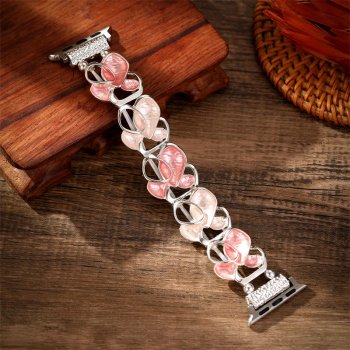
Elastic metal bands fit differently: They stretch over your hand and rest against your wrist without a clasp. They should stay in place without digging in or pulling at your skin. For more guidance on this style, see our floral metal elastic Apple Watch band fit and comfort guide.
Does a smartwatch need a different fit?
If your smartwatch uses a sensor on the back, wear it snug enough for the sensor to maintain contact with your skin. It should still feel comfortable, not constricting. You may need a slightly snugger fit during exercise, then loosen the band afterward if your wrist feels compressed.
FAQ
Should a metal watch band be tight or loose?
It should be comfortably snug, with enough room for slight movement but not so much that the watch spins around your wrist. Loosen it if it pinches, causes tingling, or leaves deep marks.













Leave a comment