Toddler Talk: What Children Say at Ages 1, 2, and 3
What does a toddler say?
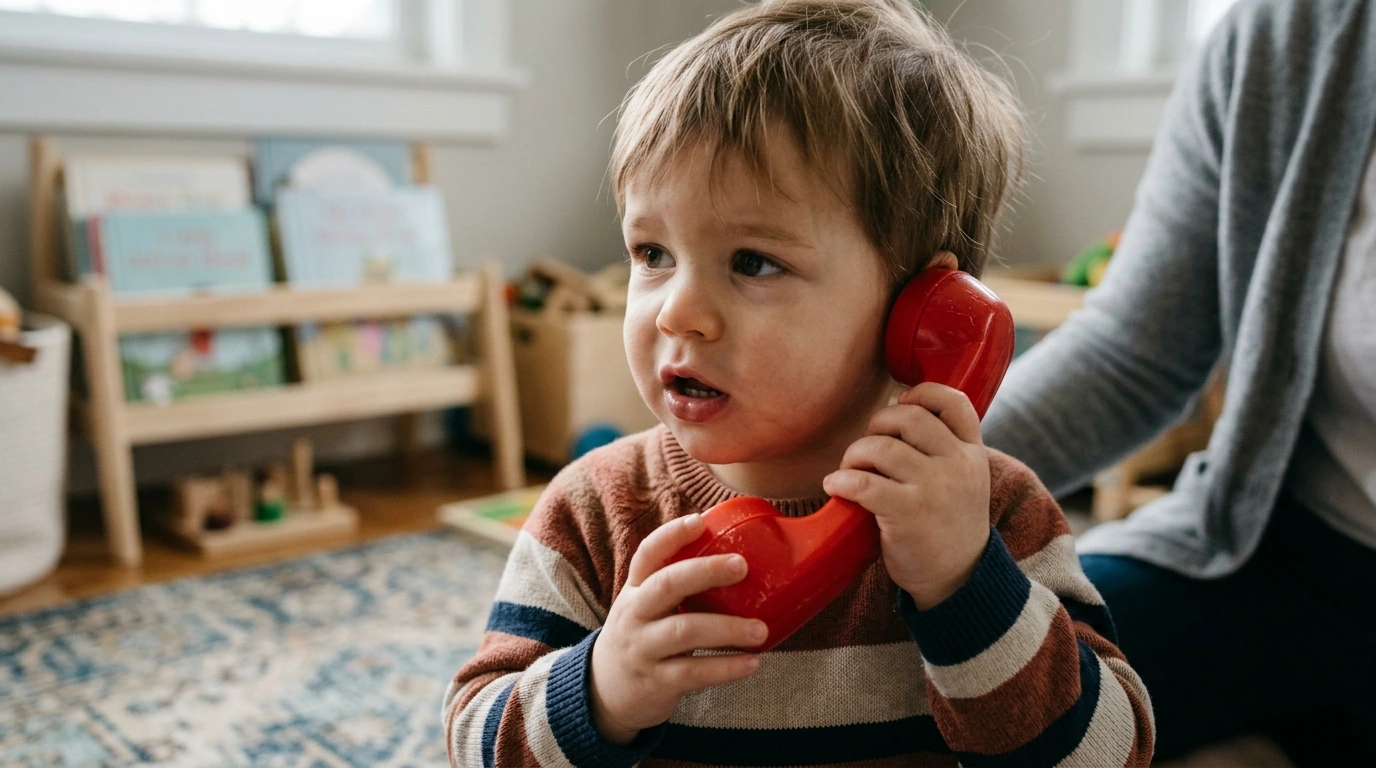
A toddler may say single words, short phrases, or longer sentences, depending on their age and individual development. Early words often name familiar people and things, such as “mama,” “ball,” or “milk.” Toddlers also communicate with gestures, facial expressions, sounds, and pointing. Their speech may be unclear, and they may use a word in their own way before they can pronounce it like an adult.
What speech is common at different toddler ages?
Around 1 year old
A child may use a few meaningful words and understand more than they can say. Waving, pointing, and responding to familiar words are also important parts of communication.
Around 2 years old
Many children begin putting two words together, such as “more snack” or “Daddy go.” They may name familiar objects, ask for what they want, and follow simple directions. The Centers for Disease Control and Prevention lists saying at least two words together as a milestone by age 2.
Around 3 years old
Children often use short sentences and start having simple back-and-forth conversations. They may ask questions, tell you what they are doing, or talk about something that happened. Speech can still be difficult for people outside the family to understand.
How can you encourage your toddler to talk?
Talk during everyday activities: name foods at meals, describe what you see on a walk, and read books together. Give your child time to respond, even if they answer with a look, gesture, or sound. You can build on their words without correcting them. If your toddler says “ba,” for example, you might reply, “Yes, a ball!” Keep practice warm and playful rather than turning it into a test.
When should you ask about speech development?
Children develop at different rates, but speak with your pediatrician if you have concerns about how your toddler communicates, understands you, or responds to sounds. Ask promptly if your child loses words or other communication skills they previously had. Your pediatrician can discuss developmental screening and whether a hearing check or speech-language evaluation may help.
Mealtime communication can be part of the picture, too: toddlers may use words, gestures, or refusals to express preferences. For gentle ideas about eating challenges, visit this guide to why a toddler may not eat and what to do.
FAQ
When should I worry about my toddler’s speech?
Talk with your pediatrician if your toddler is not meeting communication milestones, seems not to hear or understand you, or loses skills they once had. Early guidance can help you decide whether an evaluation is appropriate.















Leave a comment