Toddler Won’t Eat? Gentle Reasons and What to Do

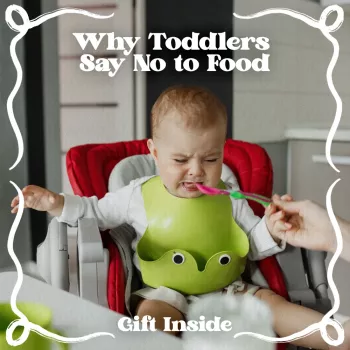
Why Toddlers Say No to Food: A Gentle Guide to Understanding Meal Refusal
A toddler refusing meals can feel confusing and personal, especially when it happens day after day. In reality, “no” is often a normal part of development—shaped by appetite changes, big emotions, and a growing need for independence. With the right expectations and a calmer structure, many families find that mealtimes get easier without constant negotiating or pressure.
What “No” Really Means at the Table
For toddlers, refusing food is often communication, not defiance. “No” can mean: “I’m tired,” “I’m overwhelmed,” “I’m not hungry,” or “I want to decide something for myself.” Food is one of the few areas where a young child can fully accept or reject what’s offered, so it becomes a powerful tool during the independence-building years.
It also helps to remember that toddler attention spans are short. Even when they start a meal interested, the combined experience—new smells, mixed textures, a noisy room, an itchy shirt, a sibling talking—can push them into refusal. Some kids are also more sensitive to sensory input, so temperature, texture, and food combinations can feel genuinely “too much,” even when the food is perfectly safe.
Common Reasons Toddlers Refuse Meals
Toddlers often eat less than parents expect because growth slows after infancy. Intake can swing dramatically from day to day, and that variability can still be normal. A child might “live on air” one day and eat a full dinner the next.
Other common factors include frequent snacking, lots of milk, or juice—each of which can blunt hunger right when you need it most. Physical discomfort matters too: teething, mild illness, constipation, reflux, or simple fatigue can reduce interest in eating. And many toddlers go through food neophobia (caution around new foods), especially between ages 2–6. Even foods they ate happily before can suddenly be treated like suspicious strangers.
When refusal feels intense, look for patterns. The clue is often less about the exact food and more about timing, comfort, and predictability.
Refusal Clues and What They Often Point To
| What you notice | What it may mean | Gentle first step |
|---|---|---|
| Eats well some days, barely touches food other days | Normal appetite swings; growth not always linear | Zoom out to weekly patterns; keep routine meals and snacks |
| Says “no” instantly to new foods | Neophobia; fear of the unfamiliar | Offer tiny “learning bites” alongside safe foods, no pressure |
| Chews then spits out or avoids crunchy foods | Teething pain or texture sensitivity | Try softer textures; check gums and comfort needs |
| Refuses dinner but asks for snacks soon after | Meal fatigue, overtiredness, or too-long gap between eating | Earlier dinner or structured afternoon snack; reduce grazing |
| Accepts only a few preferred foods | Picky eating phase; comfort and predictability | Keep preferred items while repeatedly offering small variety |
| Gets upset at the table before eating | Power struggle, overstimulation, or anxiety | Lower demands; calm start ritual; predictable seating and timing |
Independence and Control: The Power-Struggle Trap
Once food becomes a battleground, toddlers often double down—not because they’re “being bad,” but because pressure can create anxiety and resistance. Bribing, pleading, or bargaining (“just one more bite”) may work occasionally, but it also teaches that refusing is a way to keep the conversation going.
Many toddlers eat better when autonomy is built into the routine. Offer choices you’re comfortable with (“Do you want yogurt or cheese?”), let them decide the order they eat foods, and encourage self-feeding. A helpful boundary is: caregivers decide what, when, and where food is offered; the child decides whether to eat and how much. Neutral reactions to refusal keep “no” from becoming a reliable way to gain attention or control.
How to Respond Without Turning Meals Into a Fight
A steady rhythm does a lot of heavy lifting. Aim for three meals and two to three planned snacks daily, offering water between eating times. When kids graze all day, it’s harder for their body to arrive at the table hungry enough to try anything new.
Build plates with one “safe” food you know your child typically accepts, plus small portions of other foods. Smaller portions can lower pressure: a single strawberry slice feels manageable; a big pile can feel like a demand. Keep language simple and predictable—especially when a meal ends: “Meal is over now; next food is snack time.” This reduces arguing while helping your child trust that food will come again soon.
For science-based guidance on toddler nutrition and realistic portions, these resources can be helpful: HealthyChildren.org (American Academy of Pediatrics) and CDC Infant and Toddler Nutrition.
When to Check In With a Pediatrician
A Gentle Plan for the Next 7 Days
A Supportive Resource for Calmer Mealtimes
If daily refusal has become a predictable stress point, a structured, reassuring guide can help you reset routines without turning meals into a project. Consider Why Toddlers Say No to Food – A Gentle Guide to Understanding Toddler Refusing Meals Causes for practical strategies centered on understanding causes, reducing pressure, and building steady habits.
Sometimes the mealtime environment matters too. A calmer, less cluttered dining space can reduce overstimulation—especially for sensory-sensitive toddlers. If you’re refreshing a kitchen nook or family dining area, Metal Wall Art for Living Room & Restaurant can be a simple way to create a more inviting, consistent “eating zone” that supports routine.
FAQ
What does a toddler say?
Toddlers often use single words and short phrases like “no,” “mine,” and “all done” to express boundaries, needs, and feelings. At meals, “no” can signal independence, overwhelm, or simply that they’re not hungry right then.
What are some typical words that toddlers say?
Common early words include “no,” “mine,” “more,” “all done,” “help,” “snack,” and “drink.” These words often show a toddler’s need for control and clarity—especially at mealtimes, where “all done” and “no” can be their fastest way to communicate.















Leave a comment