Beauty Brands Using AI: Try-On, Skin Analysis & More
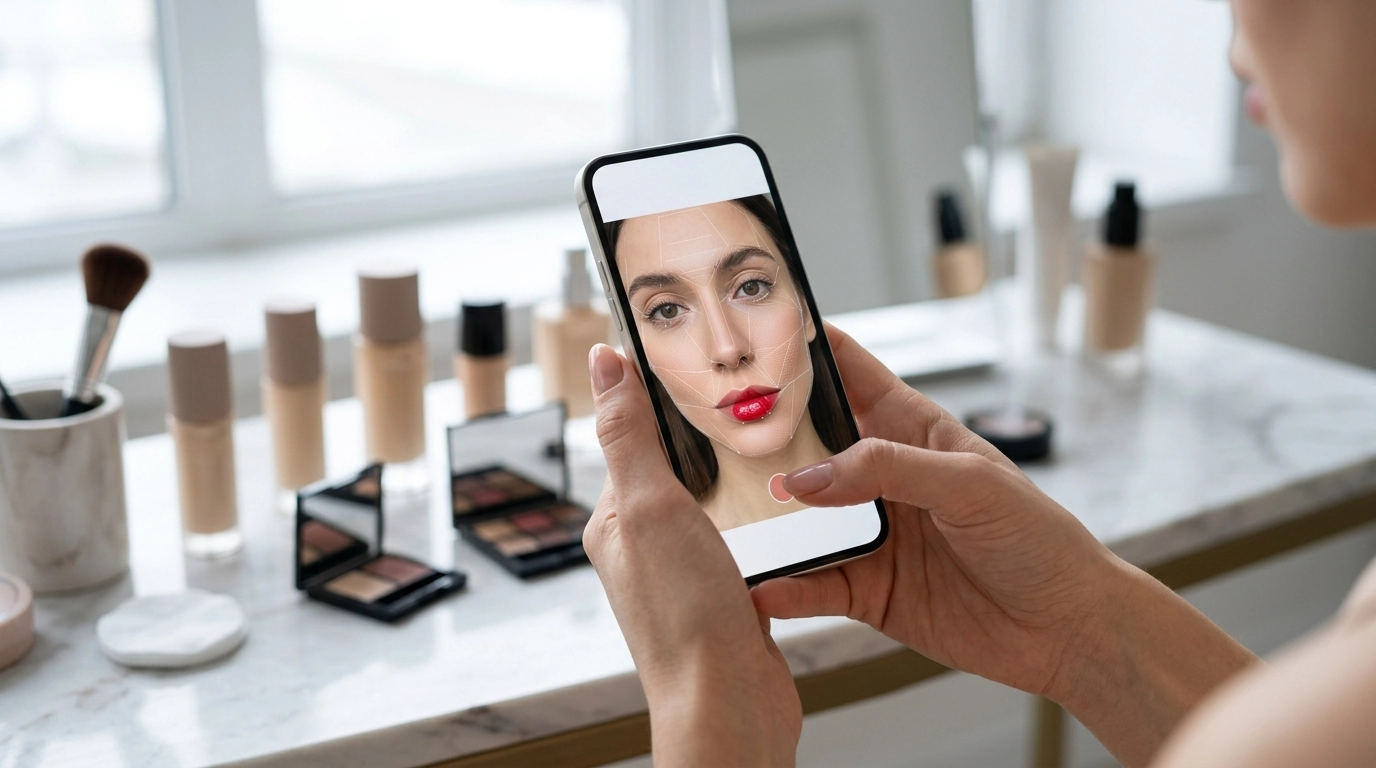
What beauty brands are using AI?
AI has moved from “nice-to-have” to a real competitive edge in beauty. Brands are using it to power shade-matching, skin analysis, personalization, virtual try-on, demand forecasting, and even product formulation insights. The result is a faster, more tailored shopping experience—and smarter operations behind the scenes.
Answer
Several major beauty brands are actively using AI, especially in customer-facing tools like virtual try-on and personalized recommendations. L’Oréal has rolled out AI-driven experiences across multiple brands (including virtual makeup try-on and diagnostic tools) to help shoppers find shades and routines more confidently. Estée Lauder Companies has also invested heavily in AI, using it to enhance personalization, merchandising, and digital experiences across its portfolio.
Sephora is another standout, using AI to support product discovery and create more customized recommendations based on preferences, browsing behavior, and beauty goals. Ulta Beauty similarly leverages data and AI to improve personalization and streamline how customers find products that match their needs.
Outside retail and conglomerates, many skincare and cosmetic brands use AI for skin analysis and routine building—often through apps, kiosks, or camera-based assessments. These tools can suggest products based on visible concerns like dryness, texture, redness, or uneven tone, then refine recommendations over time as customers provide feedback.
For a deeper breakdown of how AI is being applied across beauty (plus examples and use cases), visit https://marvellene.com/what-beauty-brands-are-using-ai/.
For Beauty Brands Using AI: Try-On, Skin Analysis & More, the best answer depends on fit, material, care instructions, and how the product will be used day to day.
Checking those details first helps avoid a poor match and keeps the choice practical after delivery.
For Beauty Brands Using AI: Try-On, Skin Analysis & More, the best answer depends on fit, material, care instructions, and how the product will be used day to day.
FAQ
How is AI used in the beauty industry?
AI is used for virtual try-on, shade matching, skin analysis, personalized product recommendations, and forecasting inventory and trends. It can also help brands test concepts faster by analyzing customer feedback and performance data.












Leave a comment