Perfect Fit Dog Harnesses: Pros, Fit Tips & Red Flags
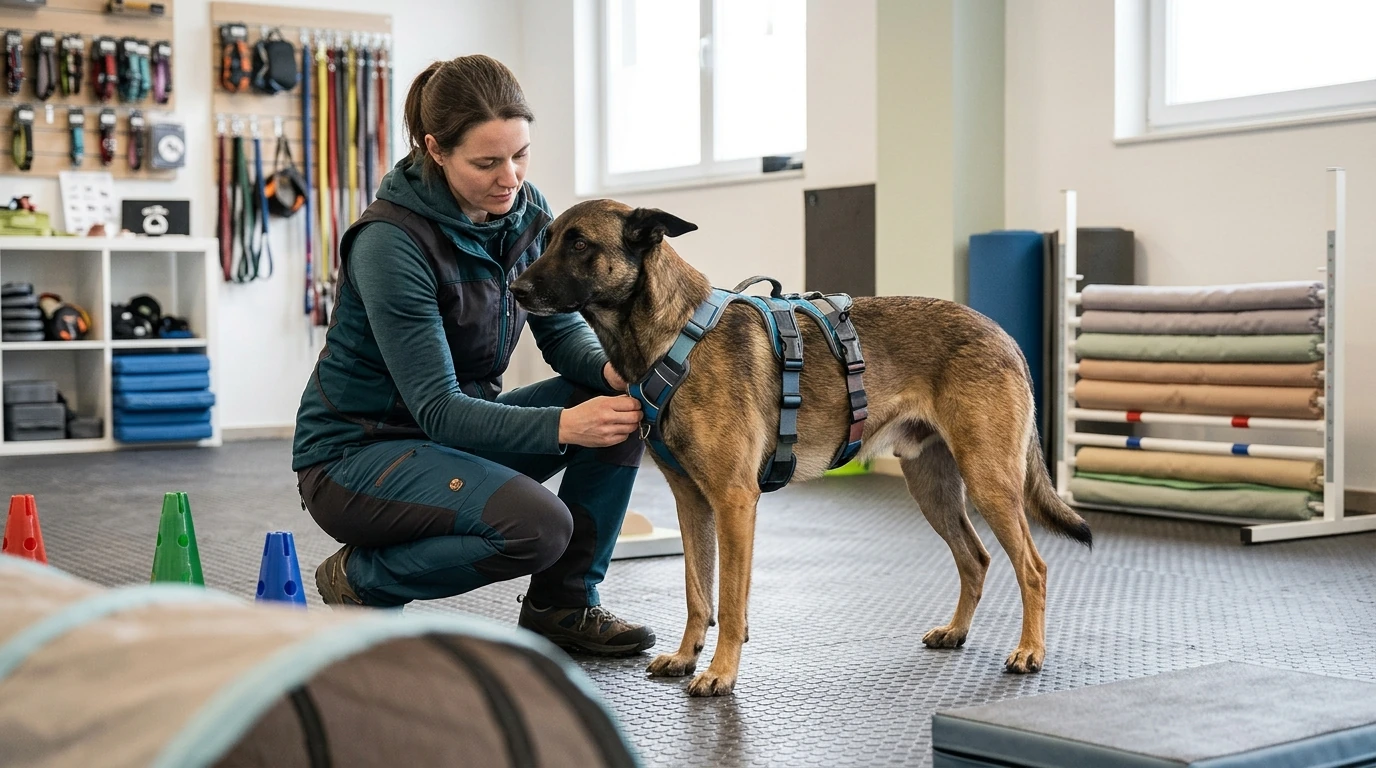
Are perfect fit harnesses good?
Perfect fit harnesses can be very good—when “perfect fit” means a harness that matches your pet’s body shape, allows full movement, and stays secure without rubbing or restricting breathing. For many dogs, a well-fitted harness improves control on walks and reduces pressure on the neck compared to a collar, especially for pullers or pets with sensitive throats.
What makes a harness “perfect fit” (and actually worth it)?
A truly great fit isn’t about being tight; it’s about being stable. The harness should sit comfortably on the chest and ribcage, lie flat without twisting, and keep straps away from the soft tissue at the armpits. You should be able to slide two fingers under the straps, and the dog should be able to trot, turn, and sit without the harness shifting dramatically.
Benefits of a well-fitted harness
A harness that fits correctly can help prevent escape attempts, reduce leash yanking on the neck, and keep pressure distributed across stronger parts of the body. It can also offer more predictable handling in busy environments, which is helpful for training and everyday walks.
When a “perfect fit” harness might not be good
Even premium harnesses can cause problems if the size or adjustment is off. Common issues include chafing behind the front legs, restricted shoulder movement, rubbing along the sternum, or a back strap that rides up toward the neck. If your dog’s coat is thinning where straps contact, or your dog avoids being harnessed, reassess fit and style.
How to choose the right one
Start with accurate measurements and prioritize adjustability over guessing by weight. Check security (buckles, stitching, and strap width), then do a short indoor test walk. For more guidance on getting safe, comfortable fit—plus measuring tips that translate well to harness selection—see this pet collar fit guide.
FAQ
How tight should a dog harness be?
It should be snug enough that it doesn’t rotate or slide, but loose enough to fit two fingers under each strap. Watch for rubbing near the armpits and make sure your dog can move freely.
















Leave a comment