Wooden Dresser Weight Limits: Top and Drawer Capacity
How much weight can a wooden dresser hold?
A wooden dresser can typically hold about 100 to 300 pounds on its top surface when the weight is evenly distributed. The total load a dresser can handle (including what’s inside the drawers) often lands in the 200 to 600+ pound range, depending on the build, joinery, wood species, and how the weight is placed.
What changes the weight capacity the most?
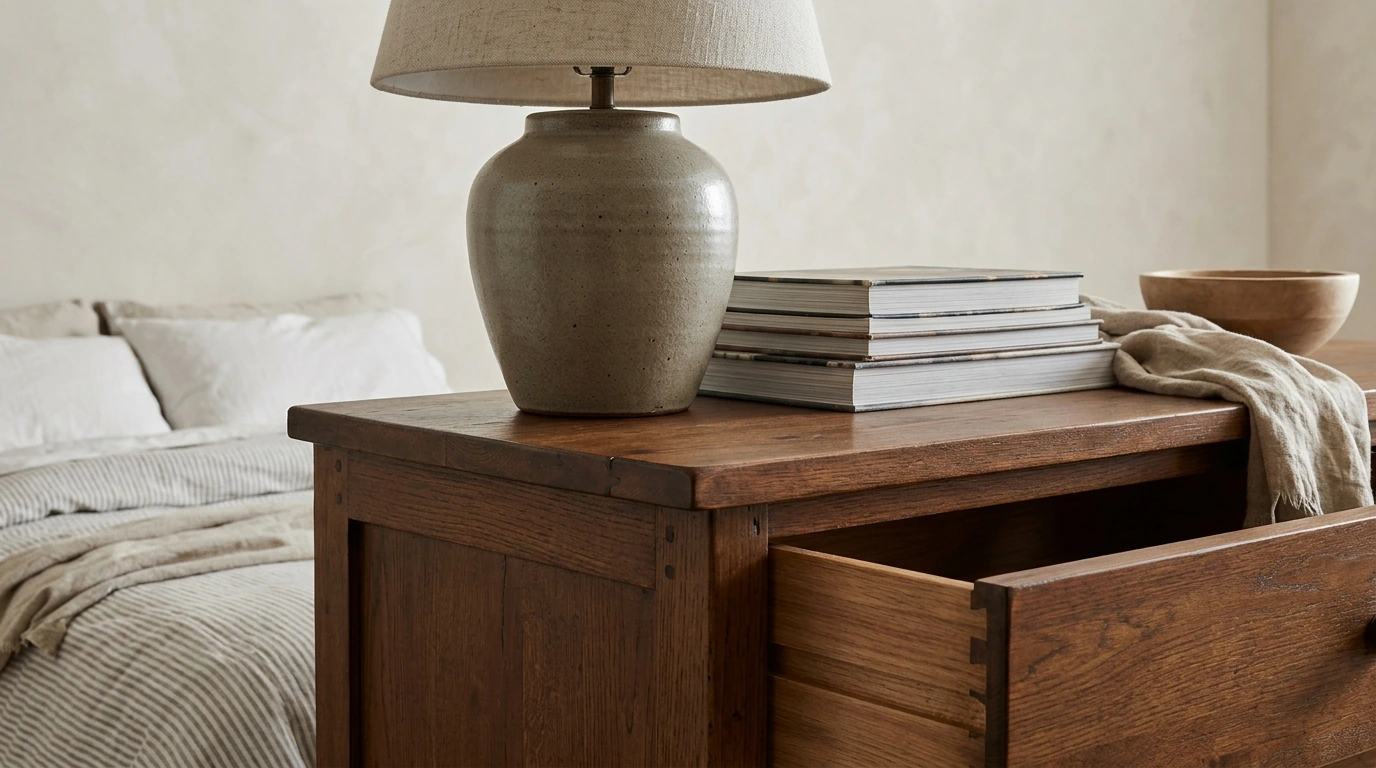
The biggest factors are construction and support. Solid wood frames with thick panels, sturdy corner joinery (like dovetails or mortise-and-tenon), and a strong back panel generally support more weight than particleboard or thin veneer builds. Shorter, wider dressers also tend to be more stable under heavier loads than tall, narrow ones.
Top surface vs. drawers: they aren’t the same
The top is usually stronger than individual drawers, but only if the load is spread out. A dresser top can handle a TV, decor, or folded linens more safely than a concentrated point load (like a heavy safe on one small footprint). Drawers are limited by the box construction, bottom panel thickness, and the slide rating—many standard slides are rated around 75 to 100 pounds per pair, but real-world performance depends on installation and drawer size.
How to load a dresser safely
Place the heaviest items in lower drawers to reduce tipping risk, and avoid stacking dense items all at once near the front edge. If you’re using the top for something heavy, distribute the weight with a wide base or a tray. For tall dressers—especially in homes with kids—anchoring to the wall improves safety more than it increases raw weight capacity.
For more guidance on choosing sturdy, high-quality wood furniture, see this guide to solid wood nightstands and luxury bedside tables.
FAQ
How do I know if my dresser is solid wood or particleboard?
Check hidden areas like the back panel or drawer sides: solid wood shows natural grain through the thickness, while particleboard looks like compressed chips and is often covered with a thin laminate. Solid wood drawers and frames also tend to feel heavier and have more robust joinery.















Leave a comment