Senior Dog Nail Trims: Calm, Gentle Steps That Work
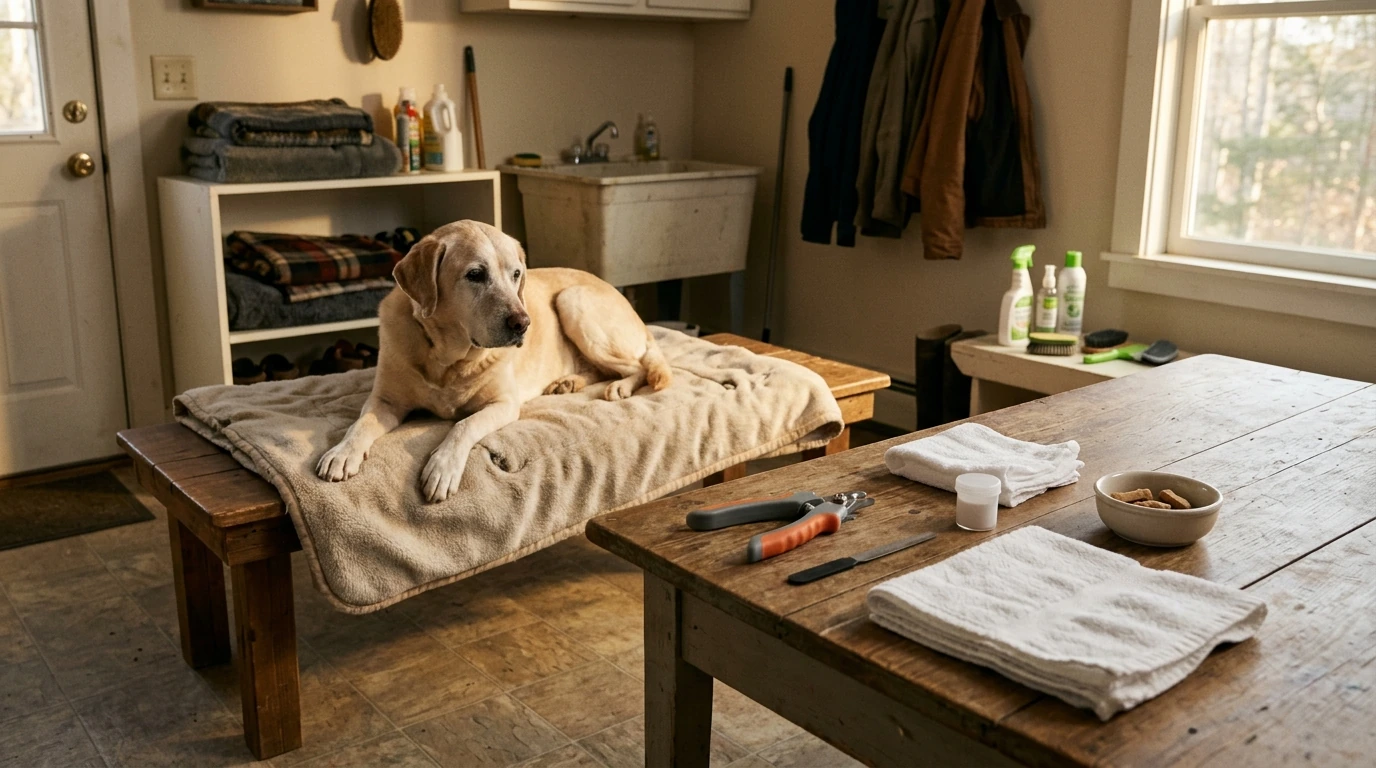
How do I get my senior dog to let me cut her nails?
Start by making nail trims feel safe, short, and predictable. Many senior dogs resist because of arthritis pain, reduced balance, or bad memories from past trims—so the goal is comfort first, trimming second.
Set up for comfort (and stability)
Choose a non-slip surface like a rubber mat or yoga mat, and support your dog’s joints with a folded towel under the chest or hips if needed. Trim after a short walk when she’s slightly tired, and keep the session in a quiet room with good lighting.
Rebuild trust with tiny “practice” steps
For a few days, don’t cut anything. Just touch a paw, reward, and stop. Next, hold each paw for one second, reward, and stop. Then introduce the clippers or grinder: show it, reward; lightly tap it against a nail, reward; and end the session while she’s still calm.
Make the trim quick and low-pressure
When she’s ready, aim for one nail at a time, not all four feet. Use sharp, appropriately sized clippers, or try a nail grinder if she tolerates the sound better. Trim only the very tip; frequent micro-trims reduce the chance of hitting the quick and help the quick recede over time.
Watch for pain signals
If she pulls away, pants, trembles, or won’t bear weight, pause. Senior dogs may have sore toes, thick nails, or sensitivity that makes trimming genuinely uncomfortable. If her nails are very long, curved, or brittle, a groomer or vet can safely “reset” them over a few visits.
When to ask your vet for help
If your dog becomes panicked or aggressive, don’t force it. Your veterinarian can check for arthritis or nail bed issues and discuss options like pain control, anti-anxiety strategies, or doing trims in-clinic with gentle handling.
For more comfort-focused grooming ideas tailored to older pets, visit this gentle senior pet grooming guide.
FAQ
How can I desensitize my senior dog to nail clippers?
Pair the clippers with treats in tiny steps: show them, reward; touch them to a nail, reward; then clip just the tip of one nail and stop. Keep sessions under a minute so your dog stays relaxed.















Leave a comment