Best Alone-Time Toys for Pets With Separation Anxiety
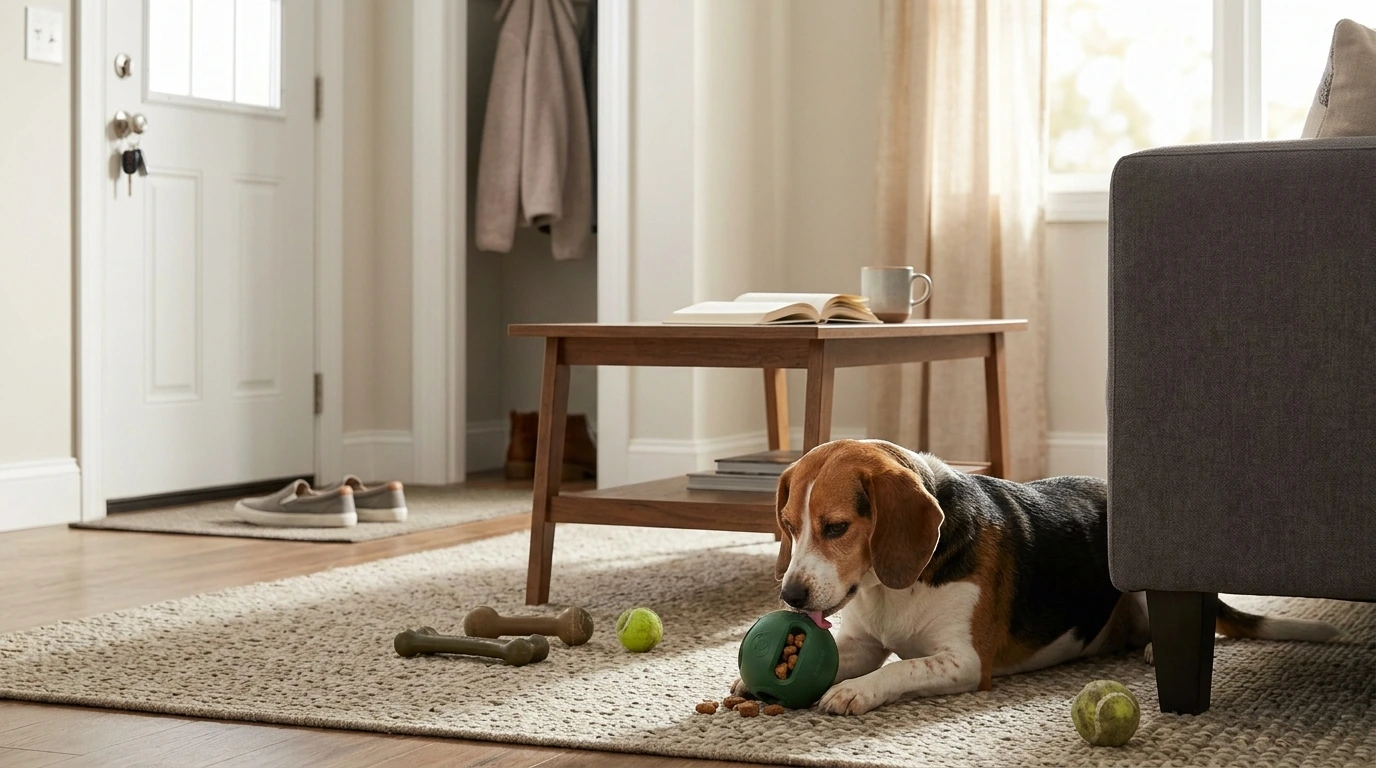
How do I choose the right toy for a pet with separation anxiety when left alone?
The right “alone-time” toy should do two jobs at once: keep your pet safely occupied and stay predictable enough to reduce stress. Start by matching the toy to your pet’s comfort level and behavior when you leave—pacing and whining often call for calming, steady enrichment, while destructive chewing needs a tougher, longer-lasting outlet.
Pick the safest toy style for your pet’s anxiety level
For mild anxiety, food-dispensing puzzle toys or slow-lick options (like a refillable treat toy) can create a soothing routine and extend engagement. For moderate anxiety, choose toys that deliver longer, low-frustration payoff—simple puzzles, layered treat stuffers, or durable chew-with-reward options. For severe anxiety (panic, self-injury, nonstop barking), toys can support training but shouldn’t be the only plan; consult a vet or behavior professional.
Prioritize durability and “non-breakable” design
Select toys that match your pet’s chewing style: power chewers need thick, single-piece rubber and minimal seams; shredder-type chewers do better with firm, flexible materials rather than plush. Avoid toys with easy-to-remove parts, squeakers that can be exposed quickly, brittle plastic, or strings that can be swallowed. If your pet can bite off chunks, skip it for unsupervised time.
Make it engaging without making it frustrating
A separation-anxiety toy should be challenging enough to hold attention but not so hard that your pet gives up and spirals. Start with easier “wins,” then increase difficulty slowly. Reserve the highest-value fillings or treats for alone-time only, so the toy becomes a predictable cue that good things happen when you leave.
Use a rotation plan to keep it novel and reliable
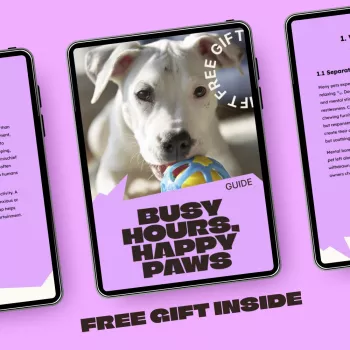
Rotating a small set of solo-safe toys prevents boredom and reduces overattachment to one item. For a simple, practical system and solo-toy safety checklist, see this guide to safe solo toys and a 3-2-1 rotation plan.
FAQ
How long should I leave enrichment toys out when my pet is alone?
Leave only toys that are truly solo-safe for your pet’s chewing style, and remove anything that gets damaged. Many pets do best with 20–60 minutes of food-based enrichment at the start, plus one durable option left afterward if it remains intact.












Leave a comment