Safe Solo Toys for Pets: The 3–2–1 Rotation Plan
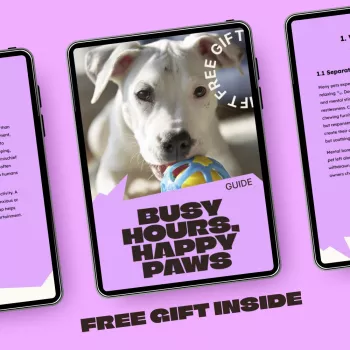
Busy Hours, Happy Paws: A Practical Toy Plan for Dogs and Cats Home Alone
Solo time can be calm and enriching when toys match a pet’s needs, energy level, and safety profile. A simple toy rotation reduces boredom behaviors (like chewing, scratching, pacing, and noisy “complaints”) while keeping play appropriate for unsupervised hours. The goal isn’t constant entertainment—it’s giving your dog or cat a few predictable, low-risk ways to settle, think, and “finish” an activity in a satisfying way. For more guidance, see Enrichment ideas for your dog.
What changes when pets play alone
When no one is watching, the best toys are predictable and low-drama. Unsupervised play should favor steady enrichment—sniffing, licking, gentle chewing, and simple problem-solving—over toys that encourage high-speed chasing, tugging, or wild pouncing that can lead to collisions, over-arousal, or broken pieces. For further reading, see Are You Spending Enough Time With Your Dog?.
Boredom can look different from pet to pet: a dog may chew furniture or pace; a cat may scratch doorframes, over-groom, or change litter box habits. Enrichment tends to work best when it meets three needs at once: mental work, a natural behavior (sniffing/foraging, licking, chewing, stalking), and a clear “finish” (a food reward, a solved puzzle, or a calming chew).
Finally, novelty fades fast. A rotation plan almost always beats buying a bigger pile of toys—because the most exciting toy is often the one that’s been out of sight for a week.
A quick safety check for unsupervised toys
Start with safety fundamentals: choose a size your pet cannot swallow (when in doubt, go larger), skip toys with easily detached parts, and match materials to your pet’s chewing style. Heavy chewers typically do better with durable rubber; brittle plastics can shard. Avoid toys that encourage indoor speed crashes (like hard balls on slippery floors), and keep batteries, magnets, and exposed squeakers out of solo-time options unless the toy is fully sealed and truly durable.
Do a quick weekly inspection and toss anything with cracks, sharp edges, exposed stuffing, or loose seams. If you’re working through separation-related distress, toys can support the plan, but the American Veterinary Medical Association notes that separation anxiety may require a broader approach beyond distractions alone (AVMA guidance).
Solo-Play Toy Safety Snapshot
| Toy type | Good for solo time when… | Avoid when… |
|---|---|---|
| Food puzzles | Stable base, easy-to-clean, correct difficulty | Pet gets frustrated or can break pieces off |
| Rubber treat-dispensing toys | Sized correctly and durable for chewing style | Toy is small enough to lodge in mouth/throat |
| Snuffle mats | Pet eats calmly and doesn’t shred fabric | Pet rips/ingests fabric or hunts for the base backing |
| Cat lick mats (soft food) | Supervised first, then used short sessions; mounted securely | Cat chews silicone edges or becomes possessive |
| Durable chew toys | Material suits chewing strength; no splintering | Dog can destroy within minutes or swallow chunks |
| Wand/string toys | Never | Strings can entangle or be ingested |
Pick toys by personality, not by label
Ignore “for aggressive chewers” marketing and focus on your individual pet’s habits.
For cat enrichment ideas beyond toys—like foraging and vertical space—ASPCA’s guidance is a helpful reference (ASPCA enrichment for cats).
Build a stress-free toy rotation (the 3–2–1 plan)
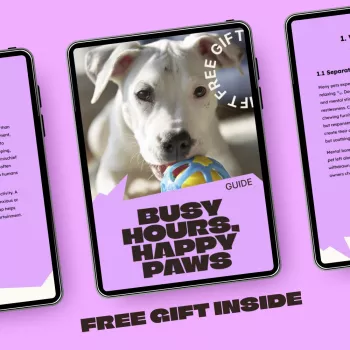
If you want a repeatable checklist you can print and reuse, Busy Hours, Happy Paws – A Practical Guide to Toys for Pets Left Alone | Stress-Free Solo Play Planning for Dogs & Cats walks through toy types, rotation pacing, and troubleshooting for common boredom patterns.
Sample solo-play plans for common schedules
8+ hours: Consider a midday break—sitter, trusted neighbor, or daycare. Enrichment helps, but it can’t replace movement, bathroom needs, or social time. The RSPCA’s dog play guidance emphasizes choosing toys that suit the dog and staying mindful of safety and appropriateness (RSPCA toys and play for dogs).
Common mistakes that make solo toys less effective
A clean home setup also helps toys do their job: less loose clutter, less fur tumbleweeds trapping treats, and fewer “mystery crumbs” that distract from foraging toys. Simple Ways to Control Pet Hair at Home – Practical Guide for Shedding Control at Home, Grooming Routines & Cleaner Living Spaces (Digital Download) offers straightforward routines that pair well with enrichment-based feeding.
When toys aren’t enough
FAQ
What toys are safest to leave with a dog home alone?
Size-appropriate, durable rubber treat-dispensing toys and simple food puzzles are usually the safest starting point after a few supervised test runs. Avoid strings, easily detached parts, and plush toys for heavy chewers who can swallow stuffing or chunks.
How many toys should be left out for a cat while alone?
Two to four is a good range, rotated regularly so interest stays high. Include at least one food-based option and one quiet comfort toy, and keep wand/string toys put away for supervised play only.
How do you keep a pet interested in solo toys over time?
Rotate toys weekly, vary the reward (kibble vs. treats vs. soft food), and adjust puzzle difficulty gradually so your pet keeps succeeding. A predictable pre-departure routine also helps pets settle into using the same enrichment tools consistently.












Leave a comment