Is This Toy Safe for Unsupervised Play? Dog & Cat Checks
How can I tell if a toy is safe for unsupervised play for my dog or cat?
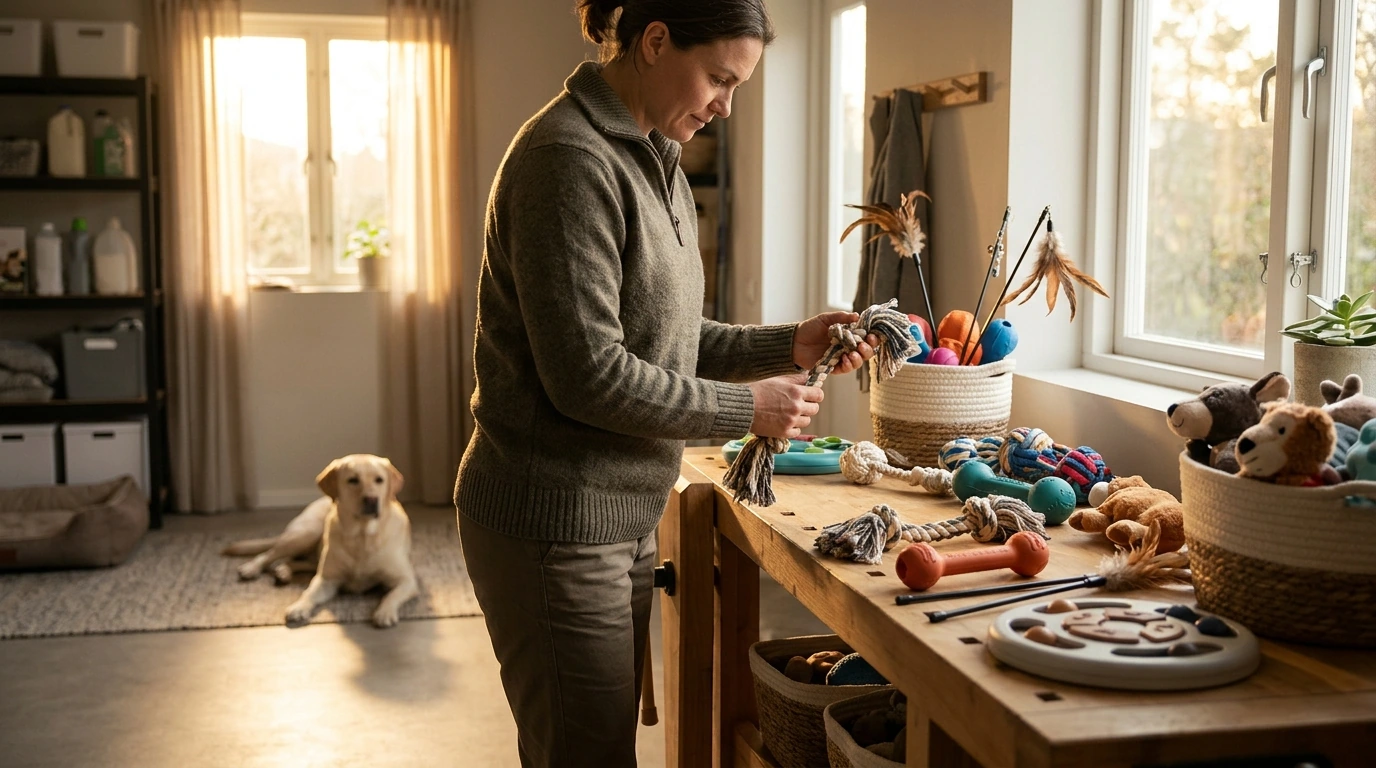
A toy is truly “safe for solo time” only if it stays intact, can’t be swallowed, and won’t trap teeth or claws when you’re not watching. Start by matching the toy to your pet’s chewing style, size, and habits (power chewer vs. gentle mouther; swatter vs. shredder). If you’re unsure, assume supervision is needed until the toy proves durable over multiple sessions.
Quick safety checks before you leave the room
Pick the right material: For dogs, look for thick rubber or purpose-built nylon from reputable pet brands. For cats, choose sturdy, cat-specific toys without brittle plastic seams. Avoid thin latex, easily cracked plastics, and anything that flakes or splinters.
Size it to prevent swallowing: A solo toy should be large enough that your pet can’t fit it fully in their mouth. For cats, skip any “mini” items that could be swallowed whole.
Watch for weak points: Tug on glued eyes, ribbons, strings, squeakers, and stitched-on parts. If you can pull it loose with your fingers, your pet can too. Stuffed toys with exposed stitching, loose fuzz, or easy-to-grab seams are usually a no for unsupervised play.
Check for choke and snag hazards: Avoid toys with holes that can trap a dog’s lower jaw or a cat’s claw. Strings, yarn, elastic bands, and feathers can be dangerous when unattended because they can be swallowed and cause intestinal blockage.
Confirm it’s easy to clean: Solo toys should tolerate regular washing (dishwasher-safe rubber or machine-washable fabric when appropriate). A toy that can’t be cleaned tends to get tossed late—after it’s already risky or gross.
Prove it in supervised “trial runs”
Before allowing unsupervised access, do several supervised sessions and inspect the toy after each one. Retire it immediately if you see cracks, sharp edges, pieces missing, excessive shredding, or if your pet is trying to ingest bits instead of play.
For more guidance on choosing reliable solo toys and building a simple rotation, see this guide to safe solo toys for dogs and cats.
FAQ
How often should I replace my pet’s toys?
Replace a toy as soon as it shows cracks, loose parts, missing chunks, sharp edges, or any sign your pet can tear off and swallow pieces. Even “tough” toys wear down faster with heavy chewing, so inspect them weekly (or daily for power chewers).















Leave a comment