Break In Tight Shoes Safely: 5 Easy Methods
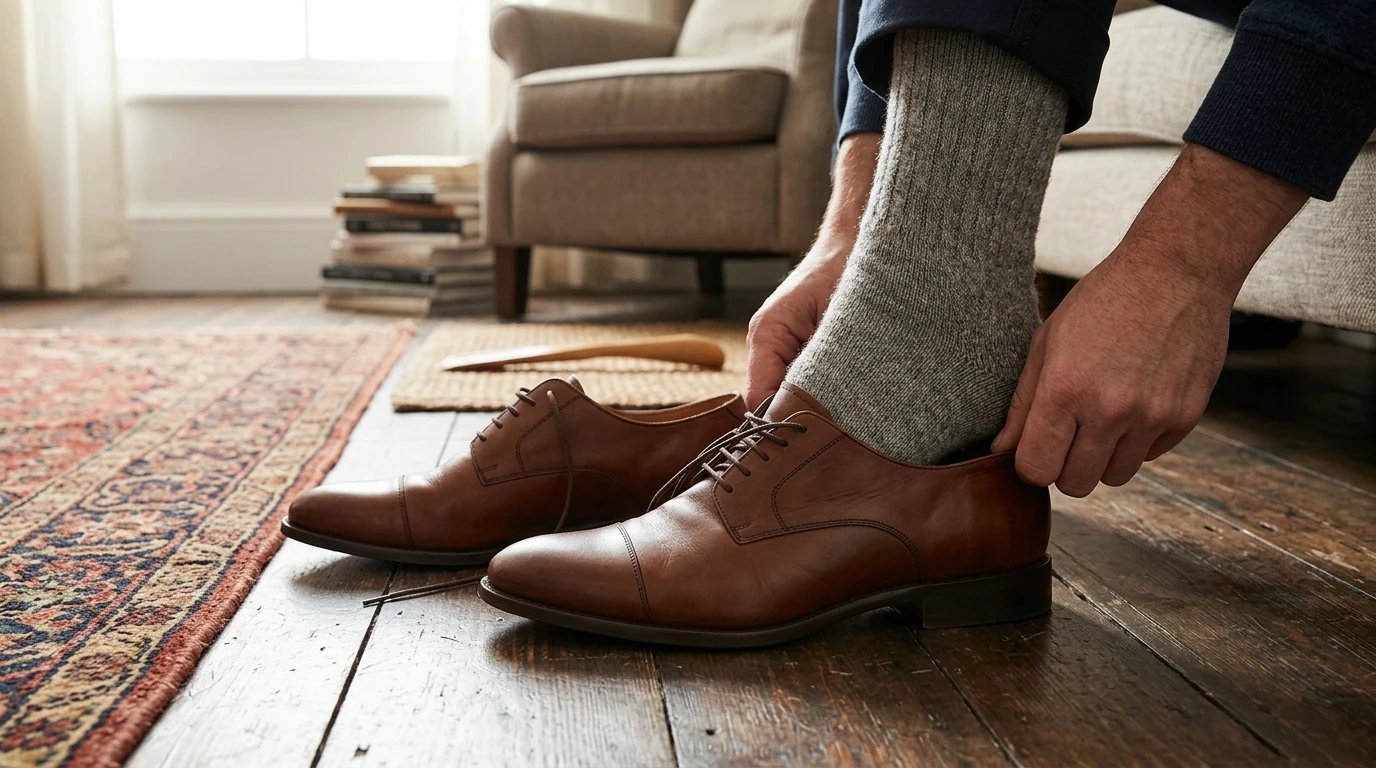
How to break in shoes that feel tight?
Tight shoes can loosen up, but the safest “break-in” comes from small, controlled stretches and short wear sessions. Start by confirming the fit: if your toes are smashed or your heel overhangs the back, you likely need a different size or width. If the shoe is only snug across the top or sides, these steps can help.
1) Wear them in short, structured sessions
Put the shoes on indoors for 20–30 minutes at a time, then take them off before any numbness starts. Repeat over a few days. This lets the upper relax while your feet adjust—without creating blisters that can ruin the experience (and the shoes).
2) Use thicker socks to encourage gentle stretch
Wear a thicker sock (or two thin pairs) and walk around the house. If the pressure feels sharp or your toes curl, stop—stretching should feel snug, not painful.
3) Warm the upper slightly, then move
A little warmth can make many uppers more pliable. Use a hair dryer on low for 20–30 seconds while flexing the shoe gently on your foot, then walk for a few minutes. Avoid high heat, which can damage glues and finishes—especially on suede and other delicate materials.
4) Targeted stretching beats “forcing it”
If one spot pinches (like the pinky-toe area), a shoe stretcher or a cobbler’s spot-stretch can expand just that zone without distorting the entire silhouette. This is often the cleanest fix for tightness across the forefoot.
5) For suede lace-ups: keep the structure, protect the nap
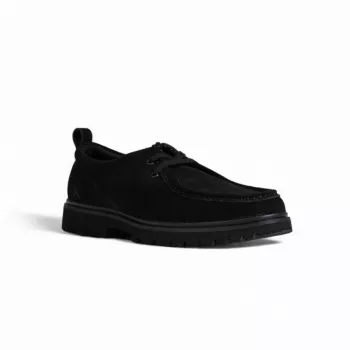
With suede lace-up styles, over-wetting or aggressive bending can leave marks and flatten the nap. For material-specific handling and upkeep, see the full guide here: Calvin Klein men’s suede lace-up shoes style & care guide.
FAQ
Should I size up if my shoes feel tight in the toe box?
If your toes are compressed or you can’t wiggle them, sizing up or choosing a wider width is usually better than trying to stretch length. Stretching helps most with width, not overall length.













Leave a comment