Best Moisturizer Ingredients for Very Dry, Flaky Skin
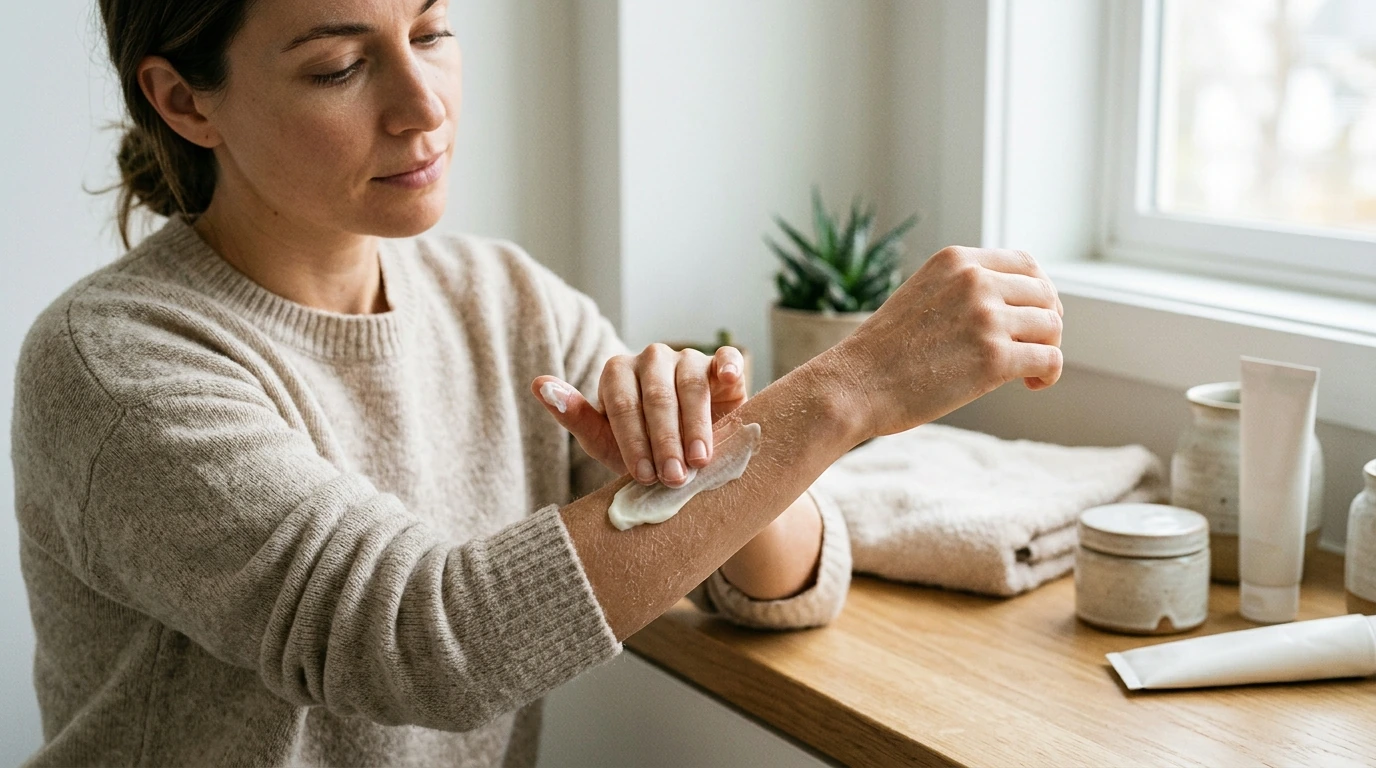
Which ingredients should I look for in a moisturizer for very dry, flaky skin?
When skin feels tight, looks ashy, or flakes no matter how much you apply, the best moisturizer is usually one that combines three ingredient types: humectants (to pull in water), emollients (to smooth rough texture), and occlusives (to seal everything in). For very dry, flaky skin, prioritize richer formulas—especially at night—and look for these proven categories on the label.
Barrier-repair ingredients (the “fix the dryness” core)
Ceramides and cholesterol help rebuild the skin barrier so moisture doesn’t escape as quickly. Fatty acids (like linoleic acid) support softness and reduce the scaly feel over time. If you see ceramides + cholesterol + fatty acids together, that’s a strong sign the moisturizer is designed for compromised, flaky skin.
Humectants (hydration that plumps flakes)
Glycerin is a top-tier hydrator for dry skin and works well in almost any routine. Hyaluronic acid, urea, panthenol, and sodium PCA also attract water into the upper layers, making flakes less visible and helping makeup sit more smoothly. For very rough patches, urea is especially helpful because it hydrates and gently softens hardened skin.
Emollients + occlusives (the “seal and smooth” finish)
Emollients like squalane, shea butter, and jojoba oil fill in micro-cracks so skin feels comfortable faster. To prevent overnight moisture loss, look for occlusives such as petrolatum, dimethicone, beeswax, or lanolin (if tolerated). These are especially useful in winter, low humidity, or if you wake up feeling tight again.
Helpful extras (when dryness comes with irritation)
Colloidal oatmeal and niacinamide can calm redness and sensitivity that often accompany flakes. If fragrance or essential oils tend to sting, choose a fragrance-free option.
For a step-by-step routine that targets flakes and tightness morning and night, see the full guide here: dry skin checklist and AM/PM routine.
FAQ
How can I layer products to stop dry skin from flaking during the day?
Apply hydrating products on slightly damp skin, then follow with a richer moisturizer and finish with a thin occlusive layer on the flakiest areas. Reapply a bland, fragrance-free cream to rough spots as needed instead of piling on active treatments.
















Leave a comment