Post-Workout Recovery: Cool-Down, Hydrate, Eat, Sleep
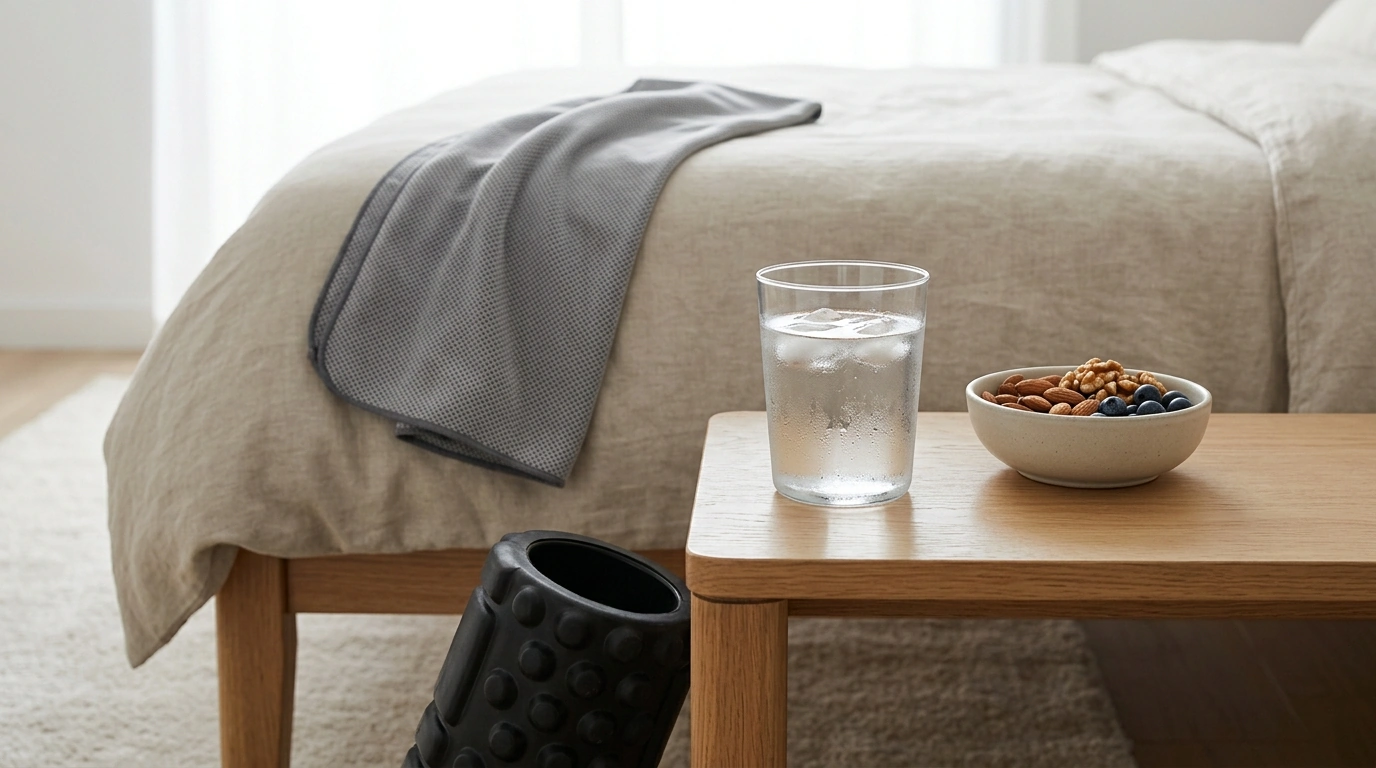
What is the best thing to do for recovery after a workout?
The best thing to do after a workout is to combine a smart cool-down with hydration, a balanced post-workout meal, and enough sleep. Recovery isn’t one single hack—it’s a short sequence of choices that help your muscles repair, reduce soreness, and prepare you for the next session.
Start with an active cool-down
Spend 5–10 minutes lowering intensity (easy walking, light cycling, or gentle movement) to bring your heart rate down gradually. Follow with light stretching focused on the muscles you trained to restore range of motion without forcing deep positions.
Rehydrate and replace electrolytes
Drink water soon after training, and consider electrolytes if you sweat heavily or trained for a long time. A simple rule: if your urine stays dark or you feel headachy, you likely need more fluids and sodium.
Eat protein plus carbs within a couple hours
A recovery meal works best when it includes protein to support muscle repair and carbohydrates to refill glycogen. Many people do well with 20–40 grams of protein paired with a carb source like rice, potatoes, fruit, or oats.
Prioritize sleep (the real recovery multiplier)
Consistent, high-quality sleep is where much of the repair process happens. Aim for 7–9 hours, and keep your schedule steady; even one short night can make soreness feel worse and performance feel flatter.
Use “extras” strategically
On harder training days, light walking, easy mobility, or a warm shower can help you feel less stiff. Massage, compression, and cold exposure may help some people feel better, but they work best as add-ons—not substitutes for food, fluids, and sleep.
For a deeper breakdown of recovery steps and what to prioritize first, visit https://marvellene.com/what-is-the-best-thing-to-do-for-recovery-after-a-workout/.
FAQ
How long should you rest after a workout?
Most people benefit from at least 24–48 hours before training the same muscle group hard again. Your exact rest needs depend on intensity, volume, sleep quality, and overall stress.
















Leave a comment