Calming Options for Dogs During Grooming (Vet-Safe)
What can you give your dog to relax during grooming?
Start with low-risk, non-prescription calming options that support relaxation without “knocking your dog out.” Our team’s go-to picks are a high-value lickable treat (like a dog-safe paste on a lick mat), a calming supplement made for dogs (often labeled as calming chews), and a dog-appeasing pheromone spray or diffuser used in the grooming area. These tools work best when you pair them with a slower routine and frequent breaks.
Safe, practical options we recommend trying first
Lick mats and long-lasting treats
Giving your dog something to lick can help lower stress and keep the mouth busy while you brush or trim. Use a lick mat with a thin layer of dog-safe topper and offer it only during grooming so it becomes a positive cue.
Calming chews or soft gels (non-prescription)
Many dog calming supplements use ingredients like L-theanine, chamomile, or colostrum-based blends. Choose a dog-specific product, follow the weight-based directions, and try it on a non-grooming day first so you know how your dog reacts.
Pheromone support
Dog-appeasing pheromones can be sprayed on a bandana or used as a room diffuser to take the edge off. Apply before you start so the scent is present when grooming begins.
How to make grooming feel calmer (so you need less “help”)
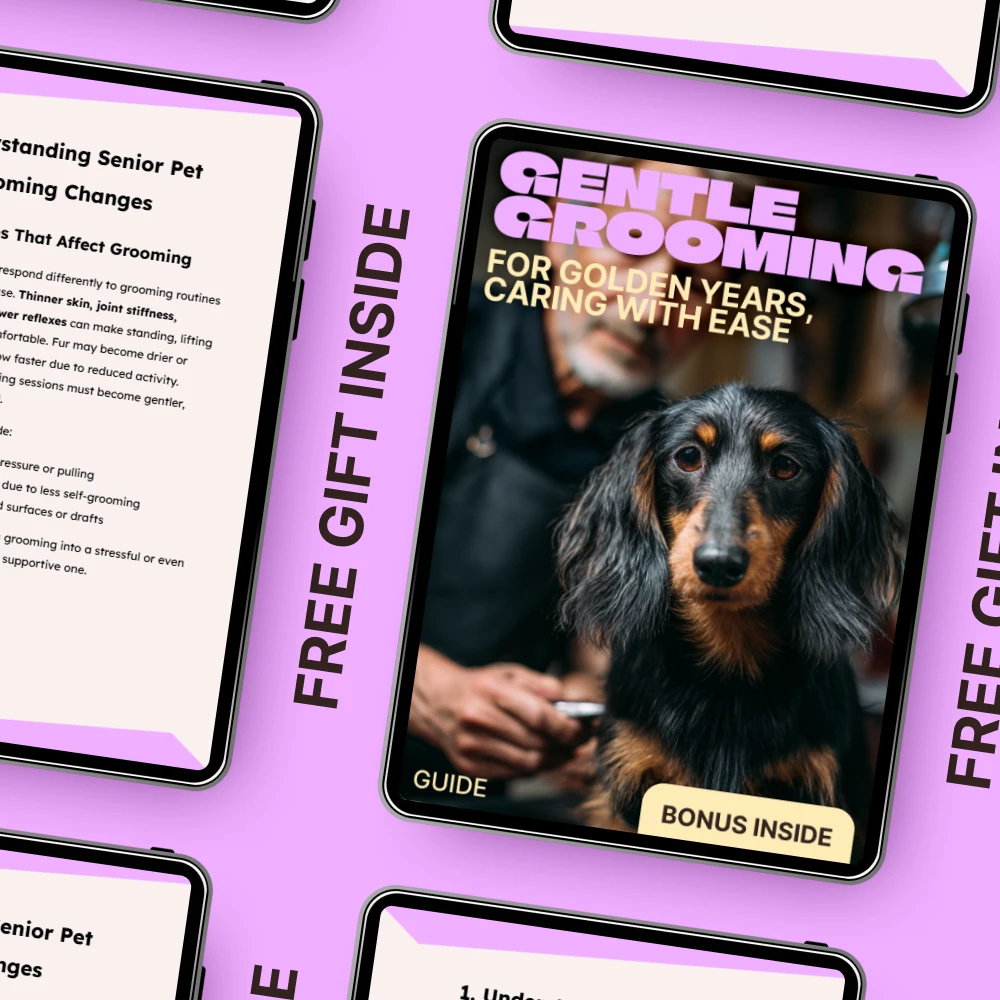
Keep sessions short (2–5 minutes), start with the least sensitive areas, and reward often—every few strokes counts. Use a non-slip mat to prevent sliding, keep tools quiet and within reach, and stop before your dog hits their limit. If your dog is older or tender, gentle handling matters even more; our team put together additional comfort ideas in our guide to gentle grooming for seniors here: https://marvellene.com/guide-gentle-senior-pet-grooming-easy-comfort-tips/.
When to involve your vet
If your dog panics, snaps, or can’t be safely handled, ask your veterinarian about prescription options and a plan tailored to your dog’s age, health, and medications. Avoid giving human sleep aids or pain meds—many are dangerous for dogs.
FAQ
What can I give my dog to calm him down when grooming?
You can use a lick mat with a high-value spread, a dog-specific calming chew, or a pheromone spray to reduce stress. Test any supplement on a calm day first and follow the dosing directions for your dog’s weight.
How to sedate your dog for grooming?
Only a veterinarian should advise sedation, since the safest choice depends on your dog’s health and any medications. If grooming can’t be done safely, schedule a vet visit to discuss prescription options and monitoring.
How to make a dog calm during grooming?
Use short sessions, frequent rewards, and a predictable routine, and groom when your dog is naturally tired. Add traction underfoot and start with gentle brushing before attempting trimming or nail work.
















Leave a comment