Senior Pet Grooming: Signs of Discomfort & What to Do
What are signs my senior pet is uncomfortable during grooming, and what should I do?
Senior pets often tolerate less during grooming because of arthritis, thinner skin, reduced balance, or anxiety. Watch for subtle changes that signal discomfort early, then adjust the session before stress escalates.
Common signs of discomfort during grooming
Look for body language shifts such as stiff posture, trembling, tail tucked, ears pinned back, wide eyes, or repeated lip-licking and yawning. You may also notice sudden sensitivity to touch, pulling a paw away, flinching when you brush a specific spot, or a new reluctance to stand. Vocal cues like whining, growling, or sharp yelps can indicate pain. Some pets “freeze,” try to hide, or repeatedly attempt to leave the grooming area—these are just as important as obvious resistance.
What to do right away
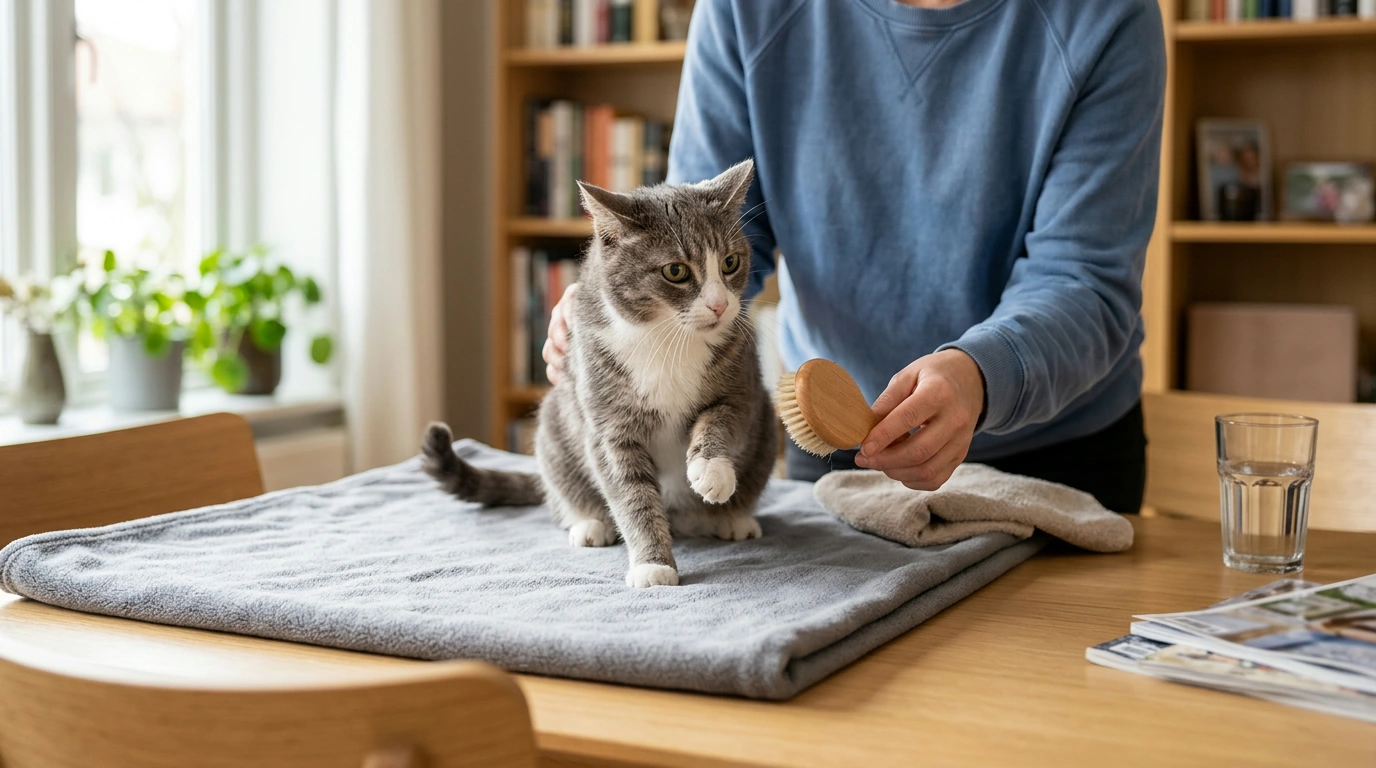
Pause the grooming immediately and give your pet a short break. Switch to gentler handling: use a softer brush, lighten pressure, and avoid tugging mats. If standing is hard, groom with your pet on a non-slip mat and allow them to lie on their side in a comfortable position. Keep sessions short (5–10 minutes), focusing on one area at a time, and reward calm behavior with small treats and calm praise.
Adjust your approach for comfort
Prioritize warmth and traction: a cozy room and a towel underfoot can reduce shaking and slipping. Check tools—dull clippers, loud dryers, or strongly scented products can be irritating. Be especially careful around hips, elbows, spine, and belly, where seniors may be tender. If you find mats near the skin, avoid scissors and consider professional help to prevent cuts.
When to call your vet or a groomer experienced with seniors
Contact your vet if discomfort is new, localized, or intense, or if you see swelling, redness, sores, or a sudden change in mobility. A groomer who specializes in senior pets can use safer positioning, slower pacing, and appropriate tools. For more step-by-step comfort strategies, visit this gentle senior pet grooming guide.
FAQ
How often should I groom a senior pet?
It depends on coat type and health, but shorter, more frequent sessions are usually easier on seniors than long appointments. Many pets do well with quick brushing a few times a week and bathing only as needed.
















Leave a comment