Should You Buy Your Car at Lease End? Key Cost Checks
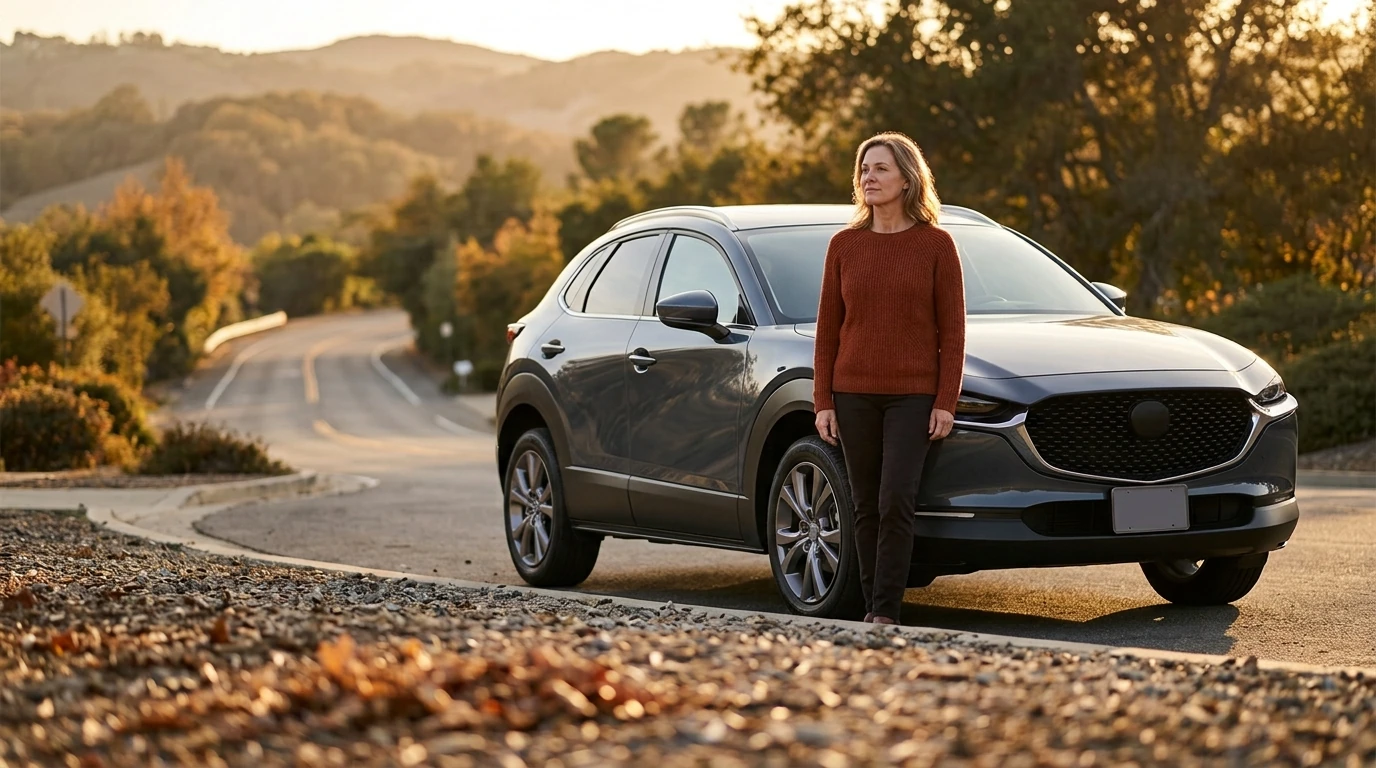
Should I buy my car after my lease is up?
Buying your car at lease end can be a smart move when the buyout price is lower than what the same vehicle would cost on the open market, or when you already know the car’s history and have kept it in great shape. It can also simplify the transition—no shopping rush, no new lease terms, and no surprises about how the vehicle was treated.
The decision usually comes down to three numbers: your lease buyout price (plus taxes and fees), the car’s current market value, and what it will cost you to replace it. If comparable used cars sell for more than your buyout, purchasing may give you instant equity. If the market value is lower than your buyout, returning the vehicle and shopping around may be the better financial choice.
Also consider your future needs. If your mileage, lifestyle, or commute is changing, a different vehicle could fit better. But if the car still fits your routine, has been reliable, and you’d be happy keeping it for a few more years, a buyout can turn predictable lease payments into longer-term value.
What to check before deciding
- Buyout total cost: Ask for the payoff amount and confirm what’s included (purchase option fee, taxes, registration, and any dealer documentation fees if applicable).
- Condition and maintenance: Review tires, brakes, upcoming service intervals, and any accident history. A pre-purchase inspection can be worth it.
- Financing options: Compare leasing company financing with banks/credit unions; even a small APR difference can change the outcome.
- End-of-lease charges: If you return it, factor in wear-and-tear, mileage overages, and disposition fees.
Next step: compare your buyout to real-world pricing
Pull a few local listings for the same year, trim, mileage, and condition, then stack them against your all-in buyout cost. For a deeper walkthrough of timelines, fees, negotiation points, and paperwork, see the full guide here: https://marvellene.com/guide-lease-end-buyout-guide-should-you-buy-your-leased-car/.
FAQ
Can I negotiate the lease buyout price?
Sometimes. Many leases have a fixed residual value, but certain lenders or dealers may discount the buyout or reduce fees—especially if the car’s market value is below the buyout amount.















Leave a comment