Do Living Room Accent Chairs Need to Match?
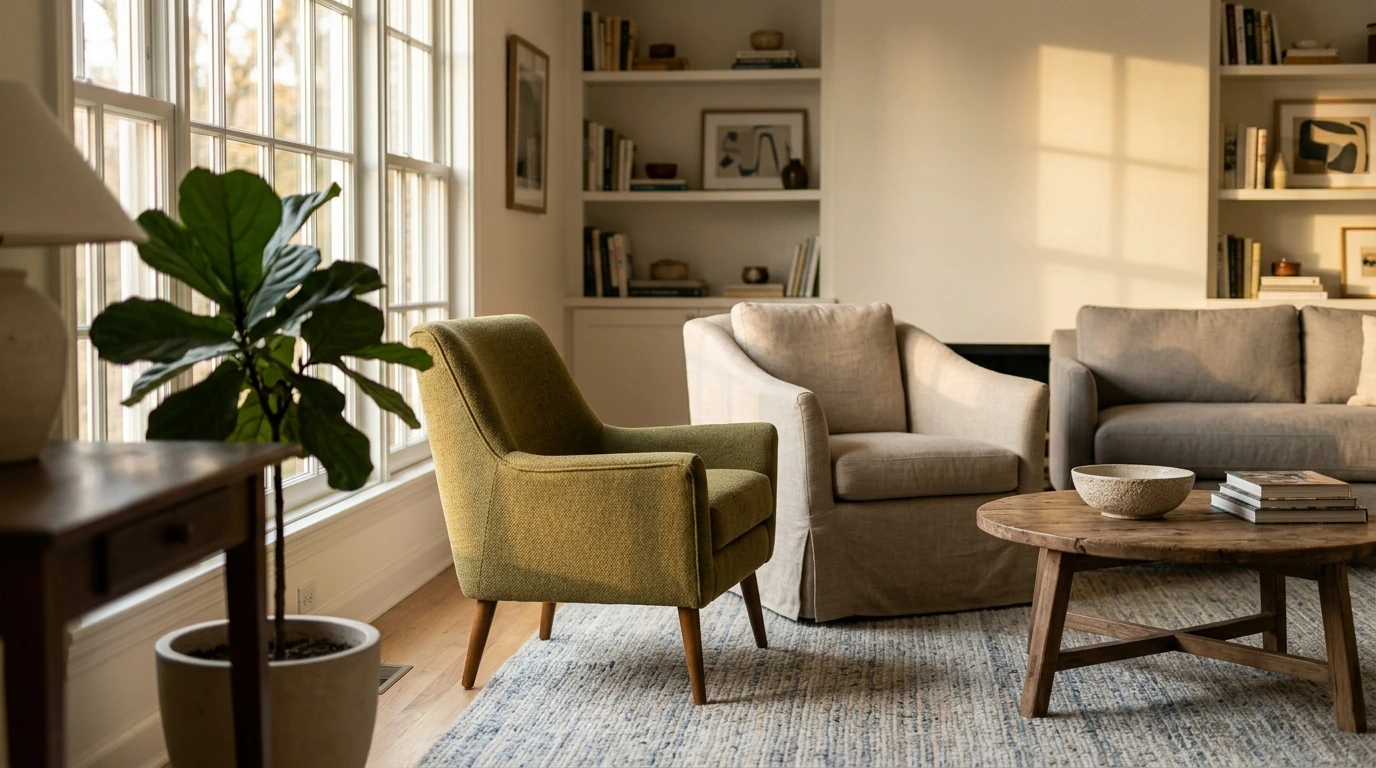
Should accent chairs in the living room match?
Accent chairs don’t need to match in a living room, and they often look better when they don’t. The goal is a space that feels coordinated, not identical. Matching can feel formal and safe, while mixing shapes, colors, and textures can add personality and make the seating area feel collected over time.
When matching accent chairs works
Matching is a smart move when the room is open-concept, highly symmetrical, or you want a clean, tailored look. A pair of identical chairs can anchor a conversation area, especially across from a sofa or flanking a fireplace. If the rest of the room already has plenty of pattern or bold decor, matching chairs can calm the visual “noise.”
When mixing looks better
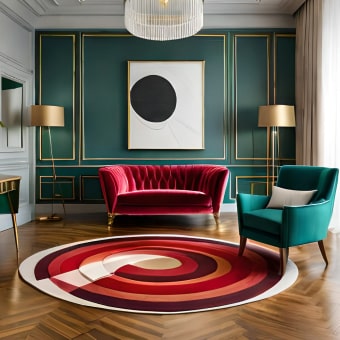
Mixing accent chairs is ideal when the sofa is large or neutral and needs contrast. Try differing silhouettes (like a curved lounge chair paired with a more structured chair) to create dimension. The easiest way to keep it intentional is to repeat one element—such as a shared color family, similar wood tone, or the same metal finish on legs.
Easy rules for a pulled-together look
Keep a consistent scale: two chairs can differ, but they should feel similar in height and visual weight. Tie them together with a rug, throw pillows, or a shared side table style. If one chair is a statement fabric like velvet, balance it with another chair that complements the sheen—bouclé, linen, or even leather can work as long as the palette is cohesive.
A stylish option for modern living spaces
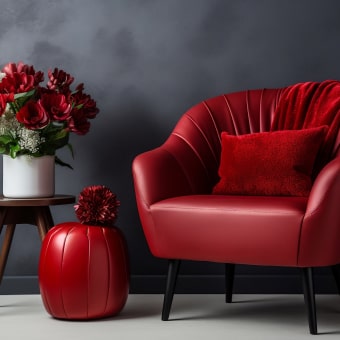
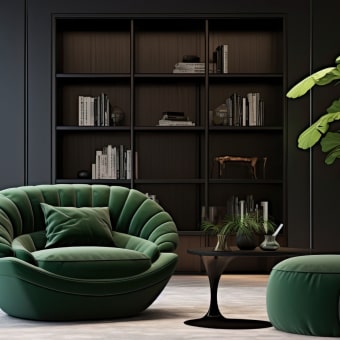
If you want a standout piece that still plays well with other seating, a velvet chair with a sculptural profile can function as the “hero” while the second chair stays simpler. For inspiration on shape, comfort, and placement, see this guide to a modern velvet U-shaped single sofa chair: https://marvellene.com/guide-velvet-u-shaped-single-sofa-chair-modern-living-spaces-guide/.
FAQ
How do you mix two accent chairs?
Choose one connecting detail (color, material, or leg finish), then vary the silhouette or texture for contrast. Keep both chairs in a similar size range so the pairing feels balanced.










Leave a comment