Break In Suede Shoes Fast: Safe Stretching Tips
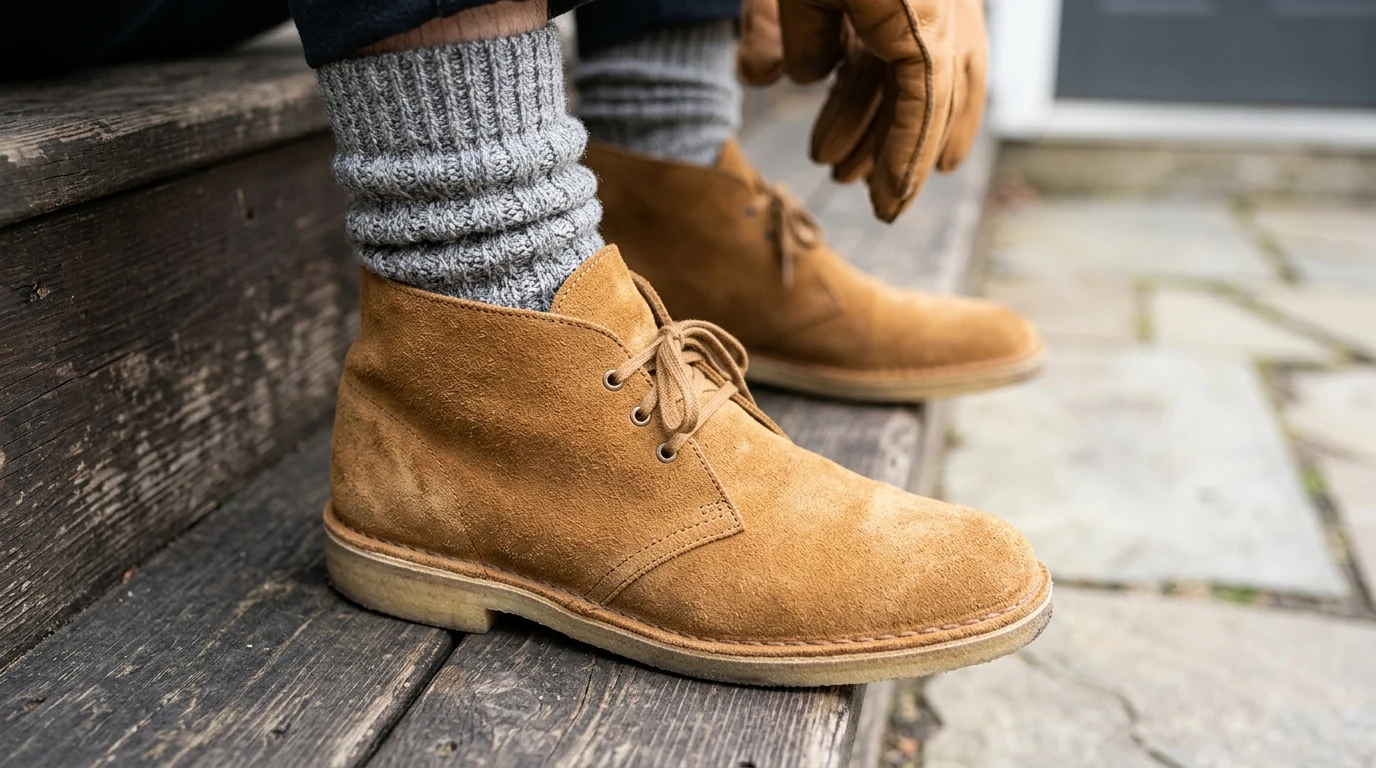
How to break in suede shoes?
Breaking in suede shoes is mostly about gentle stretching and controlled wear. Suede is softer than many leathers, but it can still feel snug across the toes or rub at the heel until the nap relaxes and the lining settles to your foot. The goal is to loosen pressure points without crushing the suede’s texture or staining it.
Best way to break them in without damaging suede
1) Start with short, indoor wears
Wear your suede shoes at home for 20–40 minutes at a time over a few days. This keeps the outsole clean while the upper begins to flex. If you feel a hot spot, stop and address it before pushing through.
2) Use thicker socks—briefly
Try a slightly thicker sock for a short session to encourage a little extra stretch, especially in the forefoot. Avoid overdoing it; too much force can distort the shape and create permanent creases.
3) Target tight areas with a shoe stretcher
A two-way shoe stretcher (or a forefoot stretcher) is the safest option for stubborn tightness. Increase tension slowly and check the fit every few hours rather than leaving it cranked tight for days.
4) Prevent blisters while the shoe settles
Use a cushioned blister bandage or moleskin on your heel or any rub point. If the shoe is slipping, a thin heel grip can reduce friction and help the shoe “learn” your stride.
5) Keep suede looking fresh as it breaks in
Brush the suede lightly with a suede brush after wears to lift the nap. If you’re wearing them outside, apply a suede protector spray (on clean, dry shoes) to help repel moisture and stains. For more on styling and care, see the full guide here: Calvin Klein men’s suede lace-up shoes style and care guide.
Common mistakes to avoid
Skip soaking suede with water, blasting it with direct heat, or using heavy oils/conditioners meant for smooth leather. These can darken suede, flatten the nap, and leave uneven patches that are hard to fix.
FAQ
Can you stretch suede shoes?
Yes—suede can stretch slightly with wear, and a shoe stretcher can help expand tight areas gradually. Stretch slowly to avoid warping the shoe’s shape.













Leave a comment