Dry vs Dehydrated Skin: Signs, Quick Test & Routine
How can I tell if my skin is dry or dehydrated when choosing a routine?
What “dry” skin means
Dry skin is a skin type. It happens when your skin doesn’t produce enough oil (lipids) to keep the barrier comfortable and protected. Clues tend to be consistent day to day: tightness after cleansing, visible flaking, rough texture, and a “paper-y” feel—especially on the cheeks, around the mouth, or between the brows. Dry skin can also look dull and feel more sensitive because the barrier is easier to irritate.
What “dehydrated” skin means
Dehydrated skin is a condition, not a skin type. It means your skin is low on water, which can happen to oily, combination, or dry skin. Common signs include a sudden change in comfort, a “tight but shiny” look, makeup that separates or looks cakey, fine lines that look more obvious when you smile, and skin that feels better right after moisturizer but gets tight again quickly. Dehydration often worsens with over-cleansing, harsh exfoliation, dry indoor air, and hot showers.
A quick at-home check
After cleansing, leave your skin bare for 20–30 minutes. If it feels tight, rough, or flaky, dryness is likely. If you notice tightness plus surface shine, or your skin looks crepey in certain spots while still producing oil, dehydration may be the bigger issue (and you can have both at once).
How to choose your routine
If you’re mostly dry, prioritize barrier support: gentle cleanser, rich moisturizer with ceramides/fatty acids, and daily sunscreen. If you’re dehydrated, add water-binding steps: a hydrating serum (like glycerin or hyaluronic acid) applied to slightly damp skin, then seal it with moisturizer. When in doubt, start by reducing stripping steps and building a simple AM/PM routine that focuses on comfort and consistency.
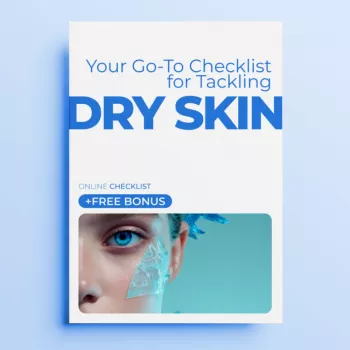
For a more detailed checklist and step-by-step routine ideas, see this dry skin guide.
FAQ
Can oily skin be dehydrated?
Yes. Oily skin can still be low on water, which often shows up as tightness plus shine and makeup that breaks apart. Adding hydration and avoiding harsh cleansers can help without making skin feel greasy.















Leave a comment