Build Muscle at Home With Bodyweight Training (Yes)
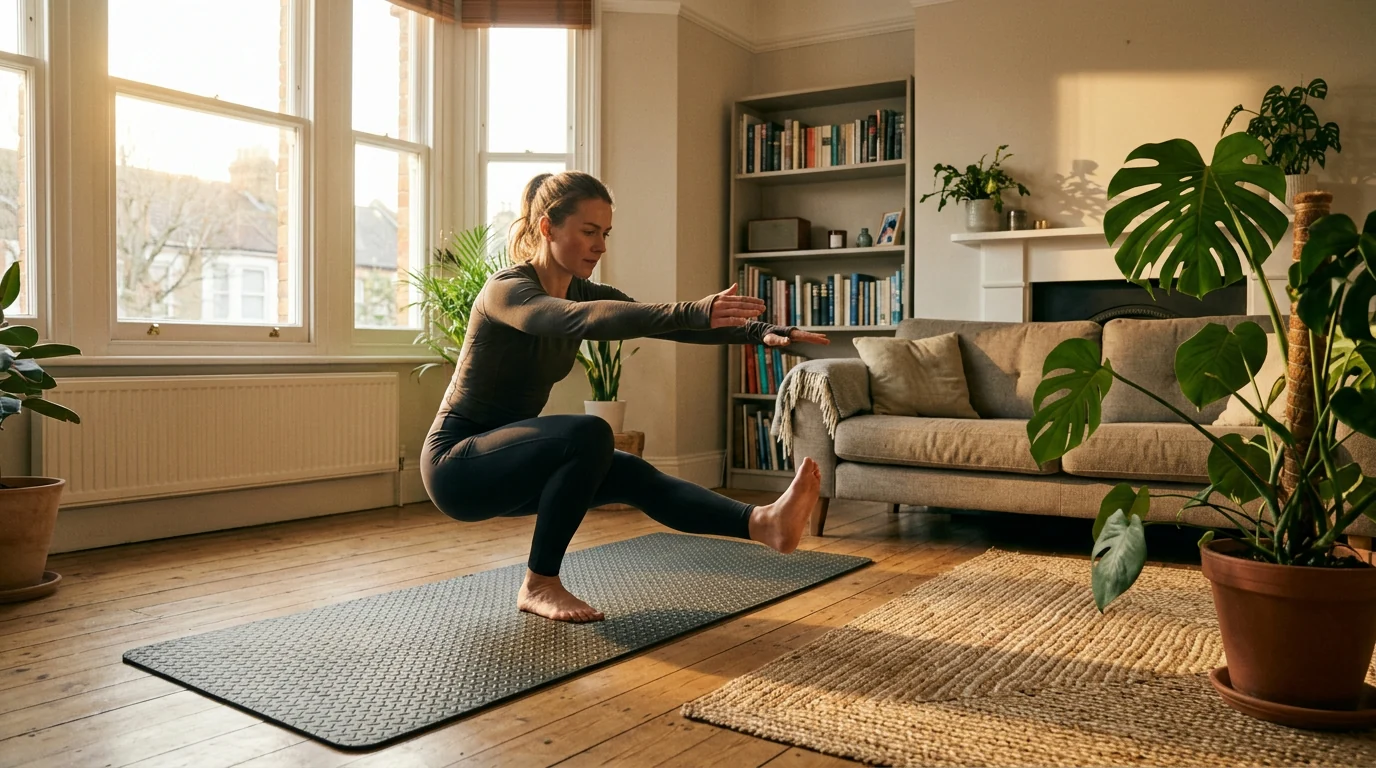
Can you build muscle with bodyweight workouts at home?
Yes—you can build real muscle at home with bodyweight training, as long as your workouts include progressive overload (making the work harder over time) and you’re consistent. Your muscles don’t “know” whether resistance comes from a barbell or your own body; they respond to tension, control, and enough total hard reps across the week.
What makes bodyweight workouts muscle-building?
Muscle growth comes from challenging sets taken close to fatigue, good technique, and enough weekly volume. For most people, that means repeating key movement patterns—push, pull, squat/lunge, hinge, core—2–4 times per week and gradually increasing difficulty by changing leverage, range of motion, tempo, or adding resistance.
How to apply progressive overload at home
When standard reps get easy, don’t just do endless high reps. Instead, progress in smarter steps: elevate your feet for push-ups, slow down the lowering phase (3–5 seconds), pause at the bottom, switch to single-leg variations, or move toward harder skills (like pike push-ups toward handstand push-ups). If you want faster, more measurable progress, our team often recommends adding simple tools like a pull-up bar, resistance bands, or a weighted vest to keep rep ranges in a muscle-building zone.
Sample “build muscle” focus (no equipment needed)
Pick 4–6 moves and perform 3–5 sets each, stopping with 0–2 reps in reserve: push-ups (progressed), split squats or step-ups, single-leg hip bridges, inverted rows under a sturdy table (or towel rows in a door if safe), and a core finisher like hollow holds or side planks. Train this 3 days per week, track reps, and make one progression each week.
Common reason people stall
Most plateaus come from staying in the same variation and never getting close enough to fatigue. If you can do 25+ easy reps, shift to a harder version or add load. For a deeper breakdown of strength vs. stamina and how to build both at home, read our guide here: https://marvellene.com/guide-bodyweight-strength-vs-stamina-build-both-at-home/.
FAQ
How many days a week should you do bodyweight workouts to see results?
Most people see the best muscle-building progress with 3–4 days per week, hitting each major muscle group at least twice weekly. Keep sessions challenging, recover with sleep and protein, and increase difficulty over time.
















Leave a comment