Calm Your Dog for Grooming: Safe Things to Give
What can I give my dog to calm him down when grooming?
If your dog gets tense during grooming, the best “give” is something that lowers stress without making him groggy or unsafe around tools. Our team usually starts with simple, low-risk calming supports you can pair with slow, reward-based handling.
1) High-value treats (delivered with a plan)
Offer tiny, frequent treats for calm behavior—standing still for one second, allowing a brush stroke, or letting you touch a paw. Soft, smelly treats work well because they’re quick to chew, so you can keep momentum without long pauses.
2) A lickable distraction
A lick mat or slow-feeding spread (dog-safe) can keep your dog occupied while you do short grooming bursts. Licking is naturally soothing for many dogs and helps replace “panic energy” with a steady, focused behavior.
3) Calming chews or supplements (non-sedating options)
Many dogs do well with calming chews that use ingredients like L-theanine, colostrum-based calming blends, or chamomile. Choose a dog-specific product, use the weight-based directions, and trial it on a non-grooming day first so you can see how your dog responds.
4) Calming pheromones (spray or diffuser)
Pheromone products can take the edge off without affecting coordination. For grooming, a spray on a bandana (not directly on the dog’s face) or a nearby diffuser often works best when started a bit ahead of time.
5) Gentle pressure supports
An anxiety wrap or snug shirt can help some dogs feel more secure. It should be close-fitting but not restrictive—your dog should move, breathe, and pant normally.
When to ask your vet about medication
If your dog is trembling, snapping, or cannot be handled safely, ask your veterinarian about short-term, grooming-day medication. Never give human meds, and don’t combine multiple calming products without professional guidance.
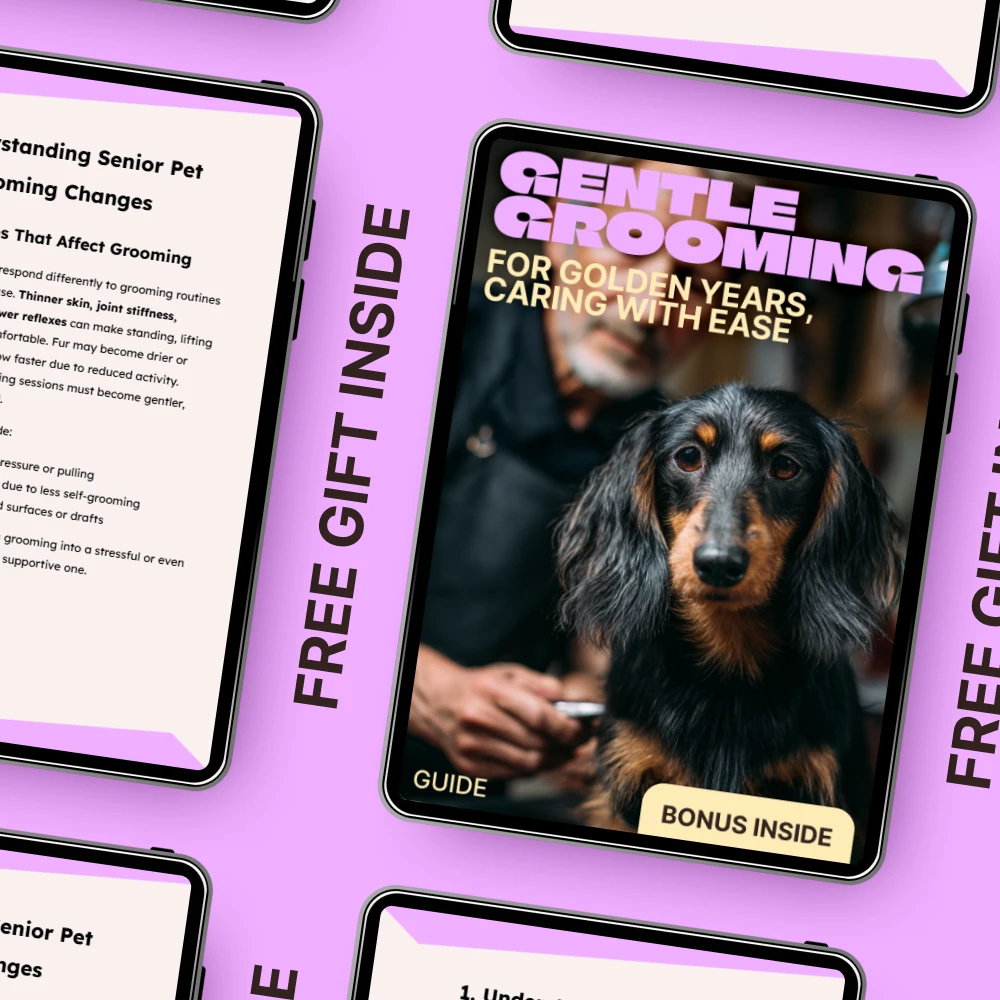
For more comfort-focused handling ideas—especially if your dog is older—visit our guide: https://marvellene.com/guide-gentle-senior-pet-grooming-easy-comfort-tips/.
FAQ
What can I give my dog to calm her down so I can groom her?
You can try a dog-safe calming chew (such as one with L-theanine) or a pheromone spray, then pair it with tiny high-value treats during very short grooming sessions. Test any calming product on a regular day first to confirm it doesn’t upset her stomach or make her unsteady.














Leave a comment