Outdoor Sports Safety Rules: Risk Scans, Gear, Weather
Play Smart, Stay Safe: Practical Outdoor Sports Safety Rules for Confident, Injury-Free Adventures
Outdoor sports feel best when preparation is automatic and safety decisions are simple. Whether you’re hiking, cycling, paddling, climbing, running trails, or playing field sports, a few repeatable rules reduce preventable injuries and keep small problems from turning into big ones. Use the checks below before, during, and after activity so changing weather, terrain, and mixed ability levels don’t catch you off guard.
Start With a Quick Risk Scan
A fast, consistent “risk scan” keeps you from committing to a plan that only works on perfect days.
- Match the day’s plan to skill level: account for terrain difficulty, total distance, elevation gain/loss, water conditions, and any technical moves (scrambles, steep descents, fast downhills).
- Check weather twice: once the night before and again right before you leave. Look for temperature swings, wind, lightning risk, heat index, and storm timing.
- Confirm access and rules: permits, trail closures, fire restrictions, hunting seasons, and daylight hours matter more than motivation.
- Set turnaround triggers: time, fatigue, a weather shift, injury, gear failure, or route uncertainty should automatically change the plan.
- Agree on a simple group contract: pace expectations, regroup points, and who leads navigation so nobody improvises under stress.
Gear That Prevents the Most Common Injuries
Most outdoor injuries are tied to falls, exposure (heat/cold/wet), getting lost, and small issues ignored early (hot spots, dehydration, minor sprains). Pack for outcomes, not comfort.
- Wear sport-specific protective equipment that fits: a helmet (cycling, skating, climbing, many snow sports), eye protection where UV/impact is likely, and footwear with traction and support.
- Use the comfort-to-safety upgrade rule: choose items that change consequences (helmet, insulation layer, hydration, light) before convenience extras.
- Pack a small first-aid core: blister care, elastic wrap, antiseptic, gauze, tape, and personal medications.
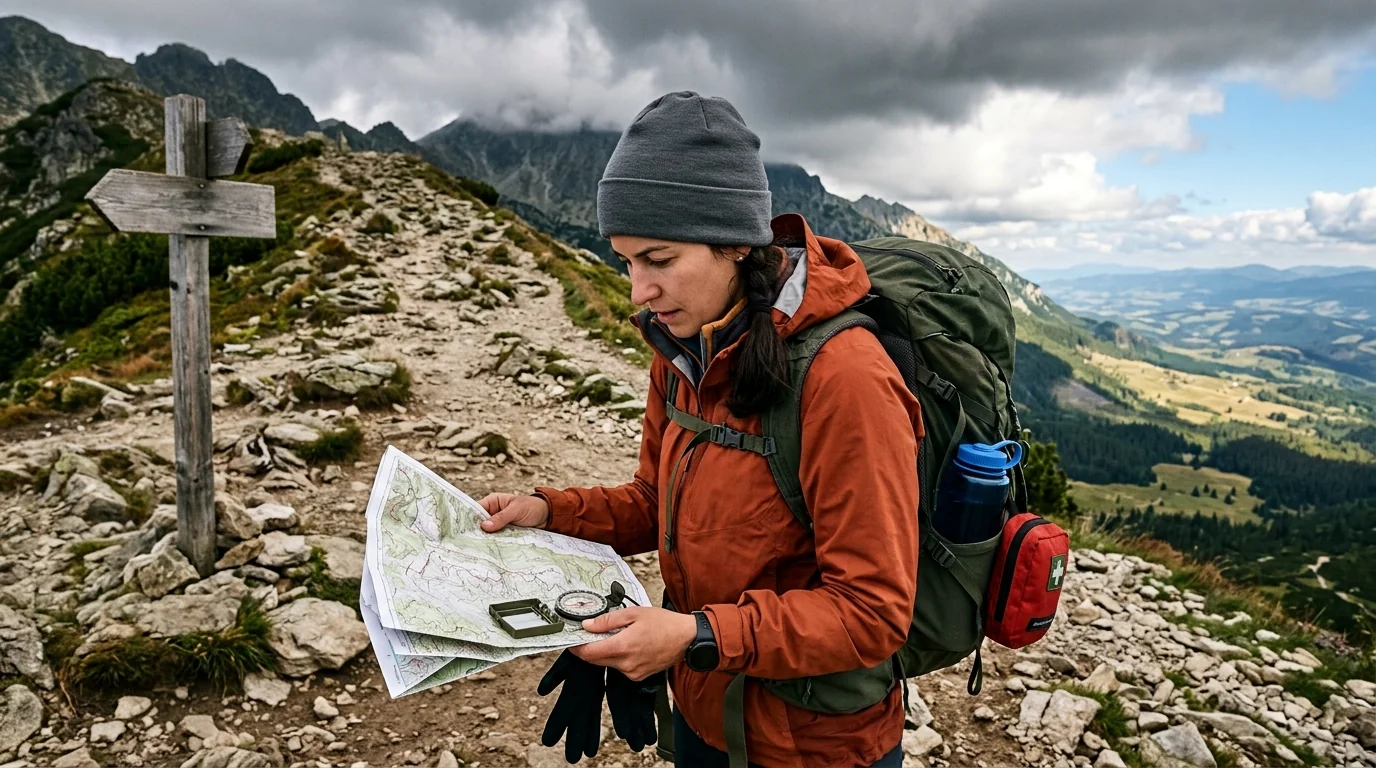
- Bring navigation plus backup: offline map, compass, a charged phone, and a power bank for longer days.
- Carry a light source: if there’s any chance of a late finish, darkness turns minor missteps into major falls.
Fast Safety Kit Checklist (Adapt to Your Sport)
| Category | Basics | Why It Matters |
|---|---|---|
| Protection | Helmet, eyewear, gloves (as needed) | Reduces head/eye/hand injuries from falls and debris |
| Hydration & fuel | Water, electrolytes, quick calories | Prevents heat illness, cramps, fatigue errors |
| Weather buffer | Insulating layer, rain/wind shell | Stops chill and hypothermia when conditions change |
| Navigation | Offline map, compass, phone + power | Prevents getting lost; supports timely decisions |
| First aid | Blister care, wrap, gauze, tape | Treats common sprains, cuts, and hot spots early |
| Visibility | Headlamp, reflective detail | Prevents late-day accidents and improves group cohesion |
Warm Up, Build Capacity, Then Go Hard
Injury risk climbs when intensity spikes faster than tissues and technique can handle—especially early in a session.
Weather, Heat, Cold, and Lightning: Simple Decision Rules
- Heat: start earlier, take shade breaks, drink consistently, and add electrolytes during heavy sweating. Watch for headache, nausea, confusion, and reduced sweating. Reference guidance on heat illness from the CDC.
- Cold/wind: keep a dry layer available, manage sweat with pacing and venting, and change wet clothing quickly to avoid rapid chilling.
- Lightning: if thunder is audible, move to safer terrain immediately—avoid ridgelines, isolated trees, open water, and metal structures. Use the National Weather Service lightning safety rule set as your baseline.
- Wind: treat gusts as a fall hazard on exposed routes; reduce speed on bikes/skis and avoid edges and unstable terrain.
- Air quality: smoke or pollution raises respiratory strain—lower intensity, shorten duration, or switch indoors.
Route Planning and Navigation That Prevents Rescue Scenarios
Group Safety: Communication, Spacing, and Shared Responsibility
If Something Goes Wrong: Basic Response Priorities
- Stop and assess scene safety: rockfall, water current, traffic, and lightning can injure rescuers too.
- Check ABCs: airway, breathing, circulation. Treat severe bleeding immediately with direct pressure and appropriate bandaging; align with American Red Cross first aid basics.
- Stabilize suspected fractures/sprains: minimize movement; avoid moving someone if head/neck/back injury is possible unless there’s immediate danger.
- Prevent shock: keep the person warm and calm; offer fluids only if fully alert and not nauseated.
- Know when to call for help: altered mental status, chest pain, severe allergic reaction, heat stroke signs, uncontrolled bleeding, inability to bear weight, or worsening symptoms.
Build Your Personal Safety System
Recommended Resources (Digital Downloads & Gear-Friendly Extras)
- Play Smart, Stay Safe: Your Outdoor Sports Safety Guide | Practical Outdoor Safety Rules for Confident, Injury-Free Adventures ($6.99) — a structured, repeatable checklist approach for planning, pacing, and response.
- Simple Ways to Control Pet Hair at Home – Practical Guide for Shedding Control at Home, Grooming Routines & Cleaner Living Spaces (Digital Download) ($9.99) — helpful if post-adventure cleanup includes pets and car seats.
FAQ
What are the most important safety rules that apply to almost every outdoor sport?
Plan around conditions (weather, route, daylight), wear the right protection, hydrate and fuel steadily, and pace with a warm-up plus gradual progression. Tell a reliable contact where you’re going, and follow turnaround rules when conditions or energy change.
How much water should be carried for an outdoor activity?
A practical baseline is enough for the full duration plus a buffer, increasing intake as temperature, humidity, altitude, and intensity rise. For hot or long efforts, add electrolytes and watch for dehydration signs like dark urine, headache, cramps, and unusual fatigue.
When should an outdoor injury stop the activity immediately?
Stop for head injury symptoms, dizziness/confusion, severe or sharp pain, instability, numbness/tingling, uncontrolled bleeding, breathing or chest issues, or heat illness signs. If you can’t bear weight or symptoms worsen, end the outing and seek help.















Leave a comment