How Tight Should a Bracelet Be on a Watch?

How tight should a bracelet be on a watch?
A watch bracelet should feel secure without squeezing your wrist. Aim for a fit that lets you slide one fingertip between the bracelet and your skin, while keeping the watch from spinning freely or sliding far up and down your arm.
Your wrist changes slightly throughout the day, especially with heat, exercise, or swelling. A bracelet that feels comfortable in the morning should still have enough give to avoid pressure later. If it leaves deep marks, pinches, or makes your hand tingle, it is too tight.
How can you check the fit?
Put the watch on where you normally wear it, just above your wrist bone. Fasten the bracelet and move your hand through a few everyday motions. The watch should stay generally in place without digging into your skin when you bend your wrist.
Try these quick checks:
- Finger test: You should be able to slip a fingertip under the bracelet without forcing it.
- Movement test: The watch may shift a little, but it should not rotate around your wrist.
- Comfort test: There should be no pinching, numbness, or persistent deep indentation.
For a smartwatch, keep the back in contact with your skin when using features that rely on wrist sensors. You may prefer a slightly closer fit during a workout, then a more relaxed fit afterward. It should never be painfully tight.
How do different bracelet styles affect the fit?
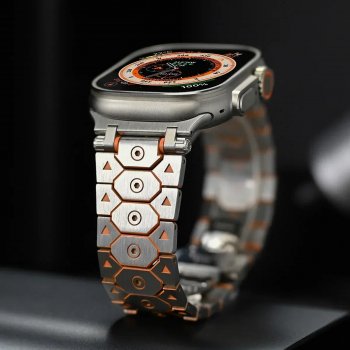
A linked metal bracelet may need links removed or a clasp adjustment to achieve a comfortable fit. Make small adjustments when possible: removing too much can make the bracelet uncomfortable when your wrist expands.
An elastic bracelet stretches over your hand and should settle comfortably against your wrist. It needs enough tension to hold the watch in place, but the stretch should not pull tightly against your skin. If it slides constantly or rotates, a smaller fit may work better.
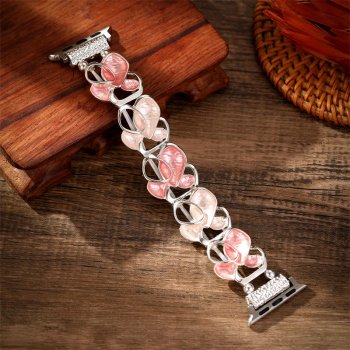
For more guidance on a floral metal elastic style, see our guide to floral metal elastic Apple Watch band fit and comfort. Our team recommends choosing comfort and steady contact over a bracelet that feels restrictive.
FAQ
Is it better for a bracelet to be loose or tight?
A bracelet should be comfortably snug rather than tight or noticeably loose. It should allow a little movement without spinning around your wrist, pinching, or leaving deep marks.













Leave a comment