What Is Pet in AI? A Guide to Smarter Pet Care
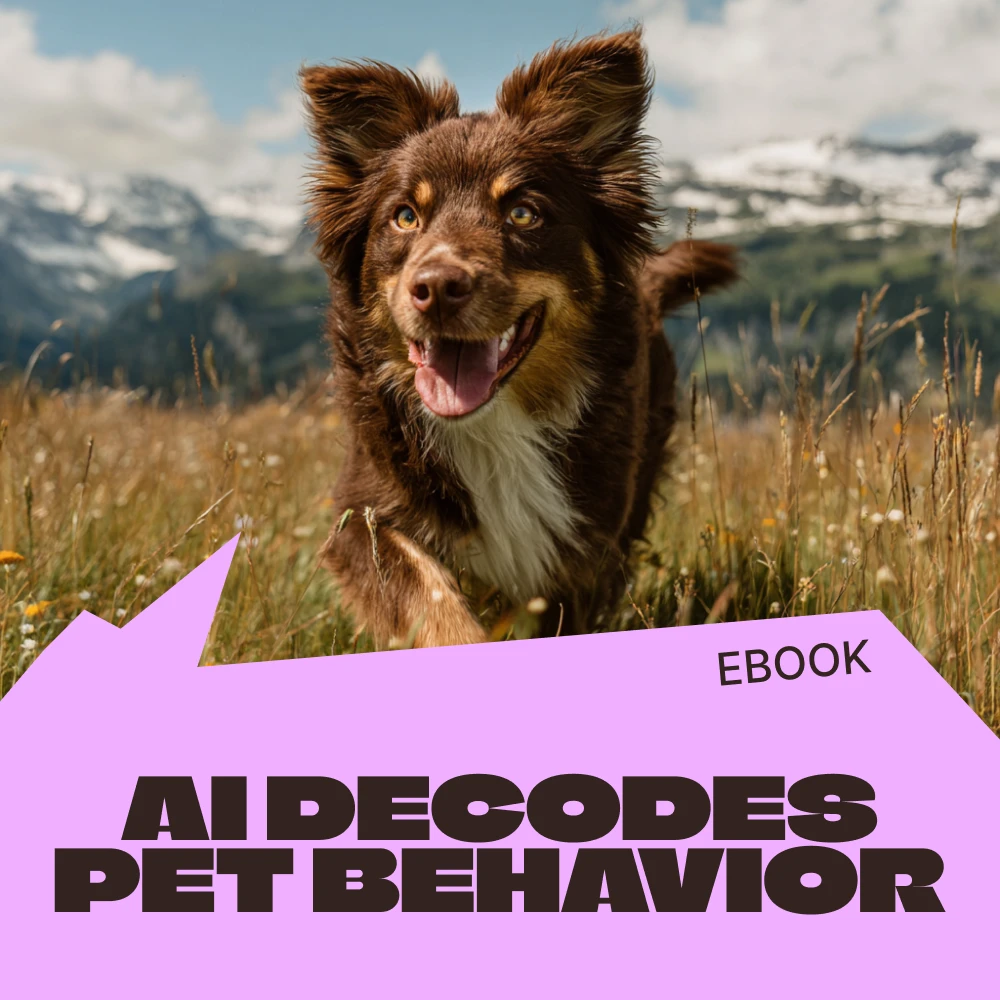
What is pet in AI?
In the context of pet care, “pet in AI” usually refers to using artificial intelligence to understand or support an animal’s daily care. AI can analyze information from connected devices, such as activity trackers, cameras, and smart feeders, to help you notice patterns in your pet’s behavior and routine.
For example, a compatible tracker may summarize how active your dog is each day, while a smart feeder may record when your cat eats. These tools turn collected data into insights you can use alongside your own observations. AI does not replace your relationship with your pet or a veterinarian’s care.
How does AI help you care for a pet?
AI tools look for patterns in the information they receive. Depending on the product and its features, they may help you:
- Track activity and compare it with your pet’s usual routine.
- Record feeding times or portions with a connected feeder.
- Receive alerts when a camera or sensor detects certain activity.
- Organize behavior information to share with your veterinarian.
A change in routine can be useful to notice, but it is not a diagnosis. If your pet has concerning symptoms or a sudden behavior change, contact your veterinarian rather than relying on an app’s interpretation.
What should you look for in an AI pet product?
Start with the task you want the product to help with. If you want activity insights, look for a tracker designed for your pet’s species and size. A wearable should fit securely without restricting movement or breathing; inspect it regularly for rubbing or damage.
For feeding support, choose a feeder that accommodates your pet’s food type and offers a reliable way to provide meals if the connection or power fails. If you want to monitor your pet remotely, consider a camera with alerts and privacy controls that suit your household.
We recommend reviewing which features work without a subscription, how the device handles your data, and whether it works with your phone. For more guidance on activity, mood, and routine insights, explore our guide to AI pet behavior tracking.
Does PET mean something else in AI?
Yes. In a medical AI context, PET can stand for positron emission tomography, an imaging method used to study activity inside the body. The surrounding topic helps you determine whether “pet” means an animal or the medical imaging term.
FAQ
Can an AI pet tracker tell if my pet is sick?
An AI tracker may highlight changes in activity or routine, but it cannot reliably diagnose an illness. Share concerning changes with your veterinarian, especially if you also notice symptoms.
















Leave a comment