What Type of Flooring Brings the Most Value?
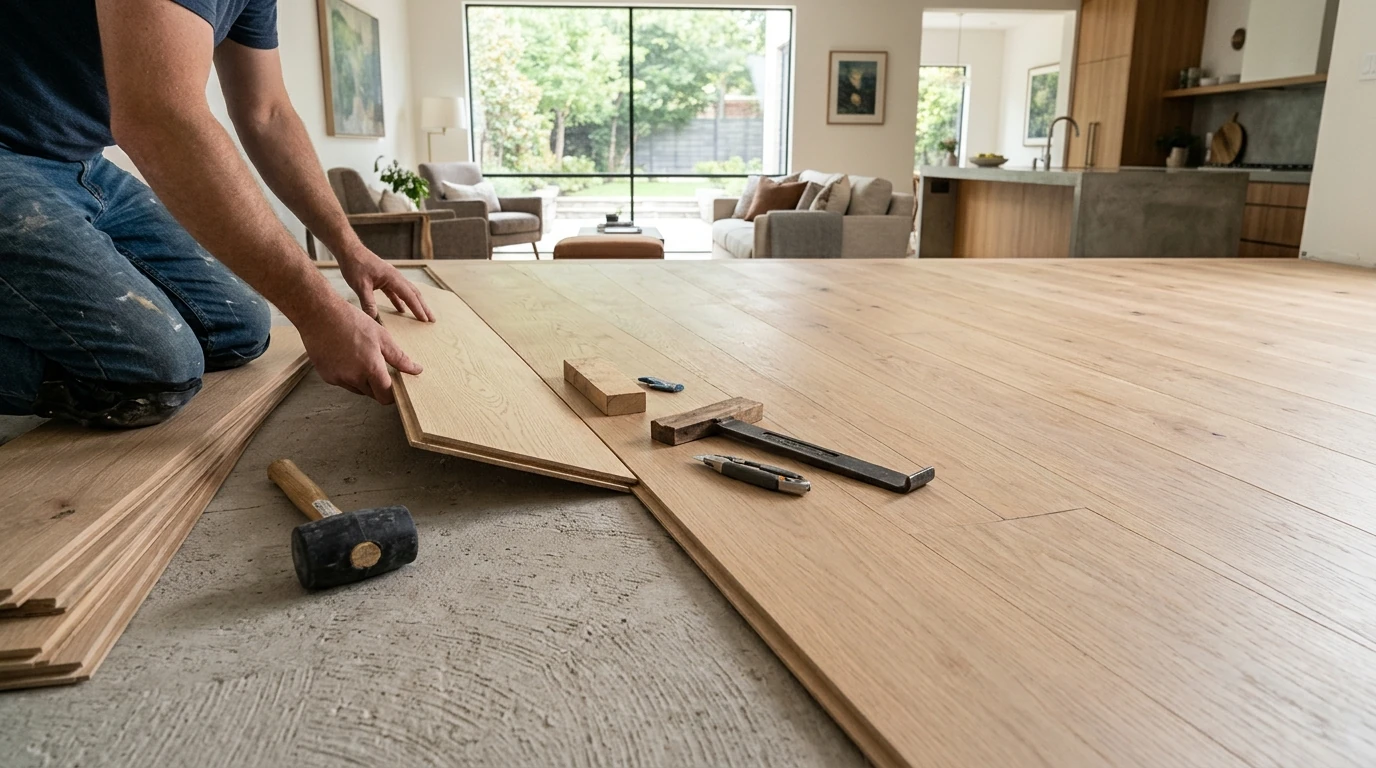
What type of flooring brings the most value?
Luxury vinyl plank (LVP) often brings the best overall value for busy households. It combines a wood-look finish with water resistance, relatively easy maintenance, and a lower typical upfront cost than solid hardwood. For many homeowners, that balance makes it a practical choice for kitchens, living areas, and homes with pets.
The best value depends on how you use the room and how long you plan to keep the floor. A higher-priced material can be worthwhile if it lasts longer or delivers a look you love, while an inexpensive floor may cost more over time if it needs early replacement.
How do popular flooring types compare?
Luxury vinyl plank: Everyday versatility
LVP is a strong option when you want the appearance of wood without the same sensitivity to everyday moisture. Many products have a protective wear layer that helps resist scratches, making them useful in active rooms. Choose a product with a wear layer suited to your household, and clean up standing water promptly, especially around seams and edges.
Hardwood: Long-term appeal
Solid hardwood generally costs more upfront, but it can be refinished and offers a classic appearance that many buyers appreciate. Its resale contribution varies by home and market, so it is not a guaranteed return on investment. Hardwood is best suited to areas where you can manage moisture and are comfortable with occasional maintenance.
Laminate: Budget-friendly style
Laminate can deliver a convincing wood look at a competitive price and often stands up well to everyday wear. Water resistance varies by product, however, so choose a water-resistant option for rooms where spills are likely and follow the installation instructions carefully.
Tile: Durability in wet spaces
Porcelain or ceramic tile can be a lasting choice for bathrooms, entryways, and other moisture-prone rooms. Installation can add substantially to the total cost, and tile feels harder and colder underfoot than many alternatives.
How can you choose the best value for your home?
Compare the installed price, not just the price per square foot. Underlayment, subfloor preparation, transitions, and labor can change the final cost. Consider your household’s traffic, pets, spill risks, and cleaning routine as well as the appearance you want.
Our team recommends starting with LVP when you need a versatile, easy-care floor, then comparing hardwood, laminate, or tile against the needs of each room. For more pet-focused guidance, explore our guide to pet-friendly flooring.
FAQ
Is waterproof flooring necessary if you have pets?
Waterproof flooring is not essential, but it can make cleanup easier when accidents or spills happen. Choose a floor with a durable surface, and clean up messes promptly to help protect seams and the subfloor.












Leave a comment