How Much Value Does New Flooring Add to a Home?
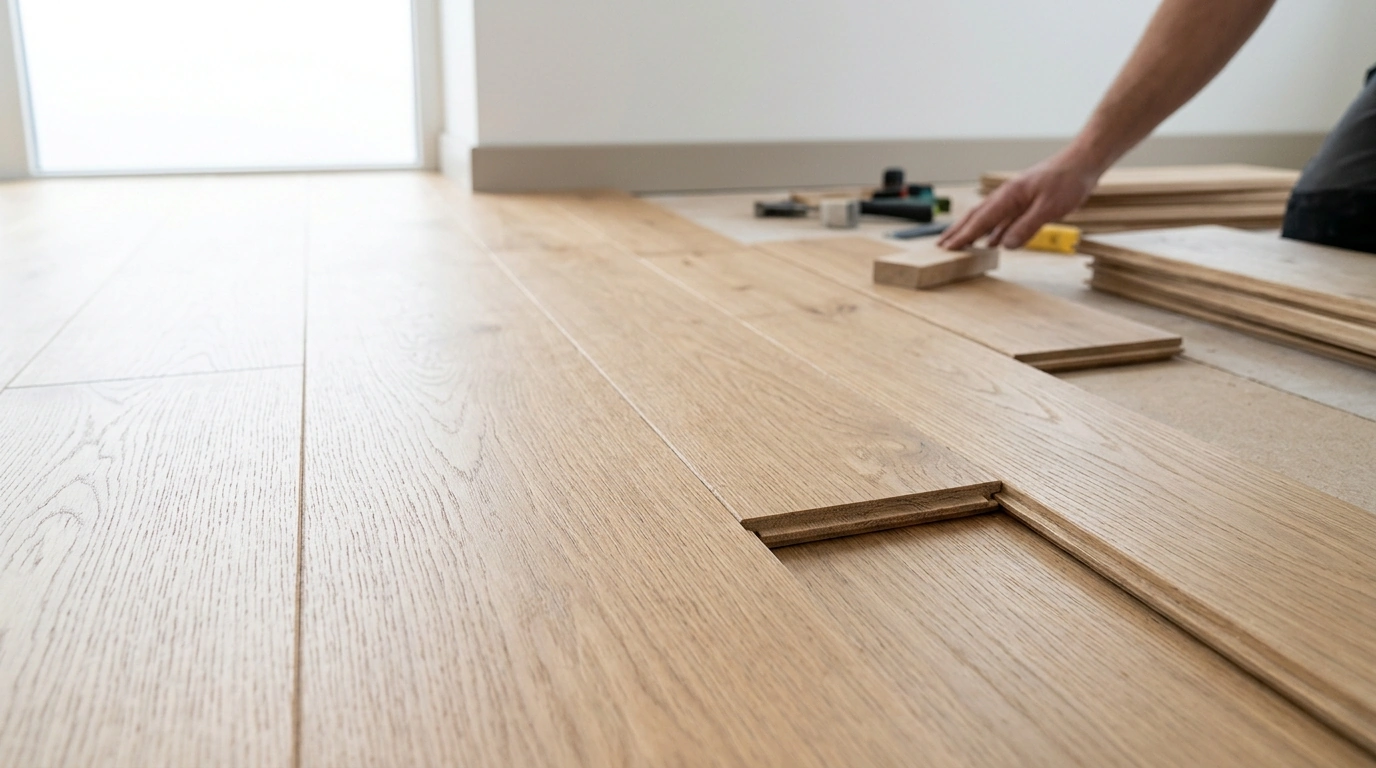
How much value does new flooring add to a home?
New flooring can make your home more appealing to buyers, but there is no fixed dollar amount or percentage it adds to your sale price. The return depends on your local market, the condition of your existing floors, the material you choose, and the quality of installation.
For example, if you spend $8,000 on flooring and your sale price increases by $4,000 as a result, you have recovered 50% of the project cost. That increase is not guaranteed, and it can be difficult to separate the effect of flooring from other improvements or market changes.
When is new flooring worth the investment?
Replacing flooring may be worthwhile when worn carpet, damaged planks, or mismatched surfaces make rooms feel dated or poorly maintained. A consistent, attractive floor can help buyers see a home as move-in ready, even when it does not repay its full cost at closing.
Before replacing an entire floor, consider whether cleaning, refinishing, or repairing damaged areas will achieve the result you need. Solid hardwood, for example, may benefit from refinishing if it has enough usable wood remaining. Our team recommends comparing the repair cost with replacement and considering how long you plan to enjoy the floor.
Which flooring choices can appeal to buyers?
Choose a material that suits the room, the home, and the expectations of buyers in your area. Neutral colors and cohesive transitions between rooms offer flexibility for different decorating styles.
- Hardwood: A durable option with a classic appearance that can be refinished when appropriate.
- Luxury vinyl plank: A practical choice for busy households, with water-resistant options and wood-look designs.
- Tile: A useful option for bathrooms and other areas exposed to moisture.
- Carpet: A comfortable choice for bedrooms, especially when it is clean and in good condition.
If you share your home with animals, durability matters as much as appearance. Explore our guide to pet-friendly flooring for help comparing options for scratches, spills, and odors.
FAQ
How can you protect new flooring from pet damage?
Keep pet nails trimmed, clean up accidents promptly, and place washable mats near entrances and feeding areas. Choose flooring suited to the room’s moisture exposure and your household’s activity level.
















Leave a comment