What Is the Laziest Dog Breed? Meet the English Bulldog
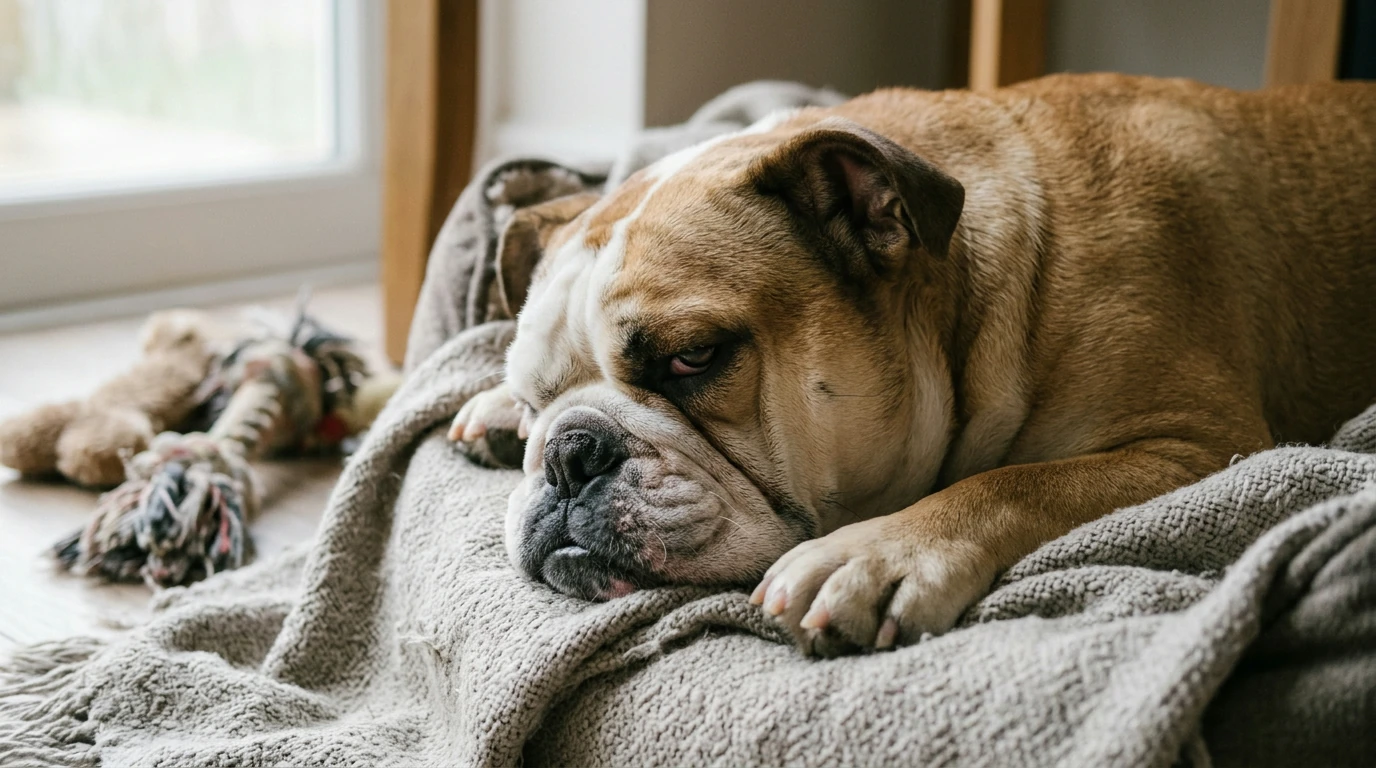
What is the most lazy breed of dog?
The English Bulldog is often considered one of the laziest dog breeds. Bulldogs tend to be relaxed companions who enjoy spending time near their people, and they usually need less vigorous activity than breeds developed for herding or hunting.
That said, no breed is guaranteed to be a couch potato. Age, health, personality, and daily routine all affect a dog’s energy level. A calm adult Bulldog may be a better match for a quieter household than an energetic puppy of any breed.
Why are English Bulldogs known for being laid-back?
English Bulldogs typically have a stocky build and a mellow temperament. Many are content with a gentle daily routine rather than long runs or intense games. They can still be playful and benefit from regular attention, training, and enrichment.
It’s important not to confuse a dog’s relaxed personality with a physical limitation. Bulldogs have short muzzles, which can make breathing and temperature regulation difficult. Avoid strenuous activity and hot or humid conditions, provide access to fresh water, and ask your veterinarian what exercise is appropriate for your dog.
What other dog breeds tend to have lower energy?
Several breeds are known for a more easygoing approach to daily life, although individual dogs vary:
- Basset Hound: Often calm at home, with a strong interest in sniffing during walks.
- French Bulldog: Generally companionable and playful in short bursts, but also prone to breathing and heat-related difficulties.
- Great Dane: Often relaxed indoors as an adult, despite a very large size.
- Greyhound: Known for bursts of speed, yet many enjoy a calm routine afterward.
How can you support a low-energy dog?
Even a laid-back dog needs movement and mental engagement. Gentle walks, short training sessions, and food puzzles can add variety without turning every day into an endurance event. Choose toys suited to your dog’s size and chewing habits, and supervise play with anything that could break into small pieces.
For walks, we recommend a comfortable, well-fitted harness that allows free shoulder movement and does not rub behind the front legs. Watch for signs that your dog needs a break, such as lagging behind or excessive panting. Our guide to reading dog body language can help you recognize what your companion is communicating.
FAQ
Do low-energy dogs still need daily exercise?
Yes. Most dogs benefit from daily movement and enrichment, but the type and amount should suit their age, health, and physical abilities. Your veterinarian can help you establish a safe routine.
















Leave a comment