Sedating a Dog for Grooming: Vet-Safe Steps & Options
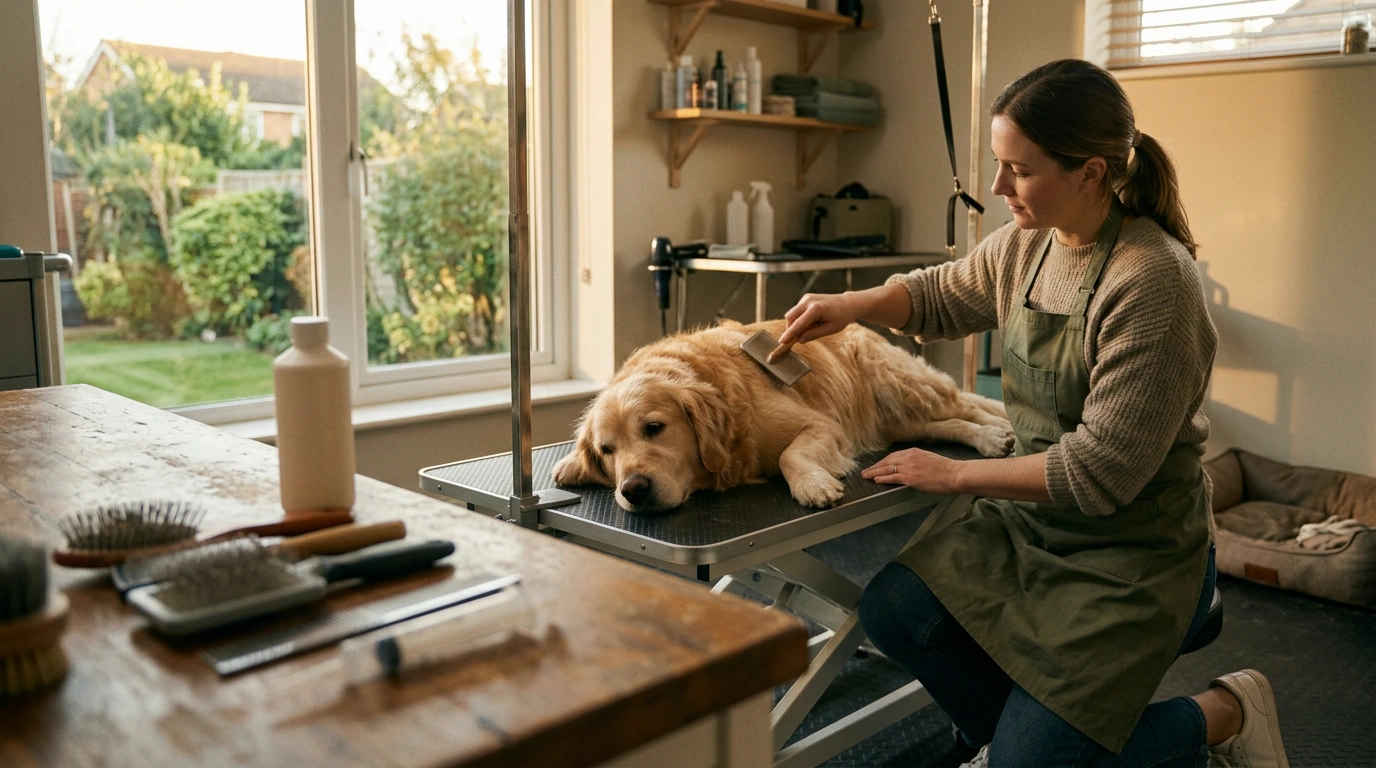
How to sedate your dog for grooming?
Sedating a dog for grooming should never start with a random “calming” pill or a higher dose than the label suggests. Our team’s safest guidance is: talk to your veterinarian first, especially if your dog is senior, brachycephalic (flat-faced), has heart/liver/kidney concerns, or has ever reacted poorly to medications. Many grooming problems can be solved without sedation by pairing the right tools, shorter sessions, and comfort-focused handling.
Start with non-sedation comfort steps (often enough)
Before you consider any medication, set the grooming environment up for success. Use a non-slip mat, keep sessions to 5–10 minutes, and prioritize the “must-dos” (sanitary trim, nails, brushing) over a full makeover. A lick mat with a safe smear can help with stillness during brushing or nail trims. If your dog is older or achy, add more breaks and support under the hips and chest. For senior-specific comfort ideas, read our guide: Gentle Senior Pet Grooming: Easy Comfort Tips.
When sedation may be appropriate
Sedation is typically reserved for dogs who become dangerously stressed, snap, panic, or cannot be handled safely for mat removal, severe nail overgrowth, or painful areas. In those cases, your vet may recommend a prescription sedative/anxiolytic plan tailored to your dog’s weight, age, and medical history. Ask about doing a “test dose” on a non-grooming day so you can observe effects calmly at home.
Why over-the-counter “sedatives” can be risky
Many OTC calming products vary widely in strength and may interact with other medications. Human sleep aids and pain relievers can be toxic. Even mild drowsiness can reduce balance and body-temperature regulation during grooming, which is why dosing and timing need professional direction.
Safer grooming alternatives our team recommends
Use a slicker brush and metal comb for gradual detangling, a detangling spray to reduce pulling, and a quiet clipper for small touch-ups. For nails, a grinder can be less startling than clippers for some dogs. If your dog is fear-reactive, consider a certified fear-free groomer and ask for one-on-one appointments with breaks.
FAQ
What can I do to keep my dog calm during grooming without medication?
Use short sessions, a non-slip surface, and high-value rewards like a lick mat to build cooperation. Choose quiet tools, work after exercise, and stop before your dog tips into panic so grooming stays predictable and safe.
















Leave a comment