AI Decoding Dog Language: What Evidence Shows
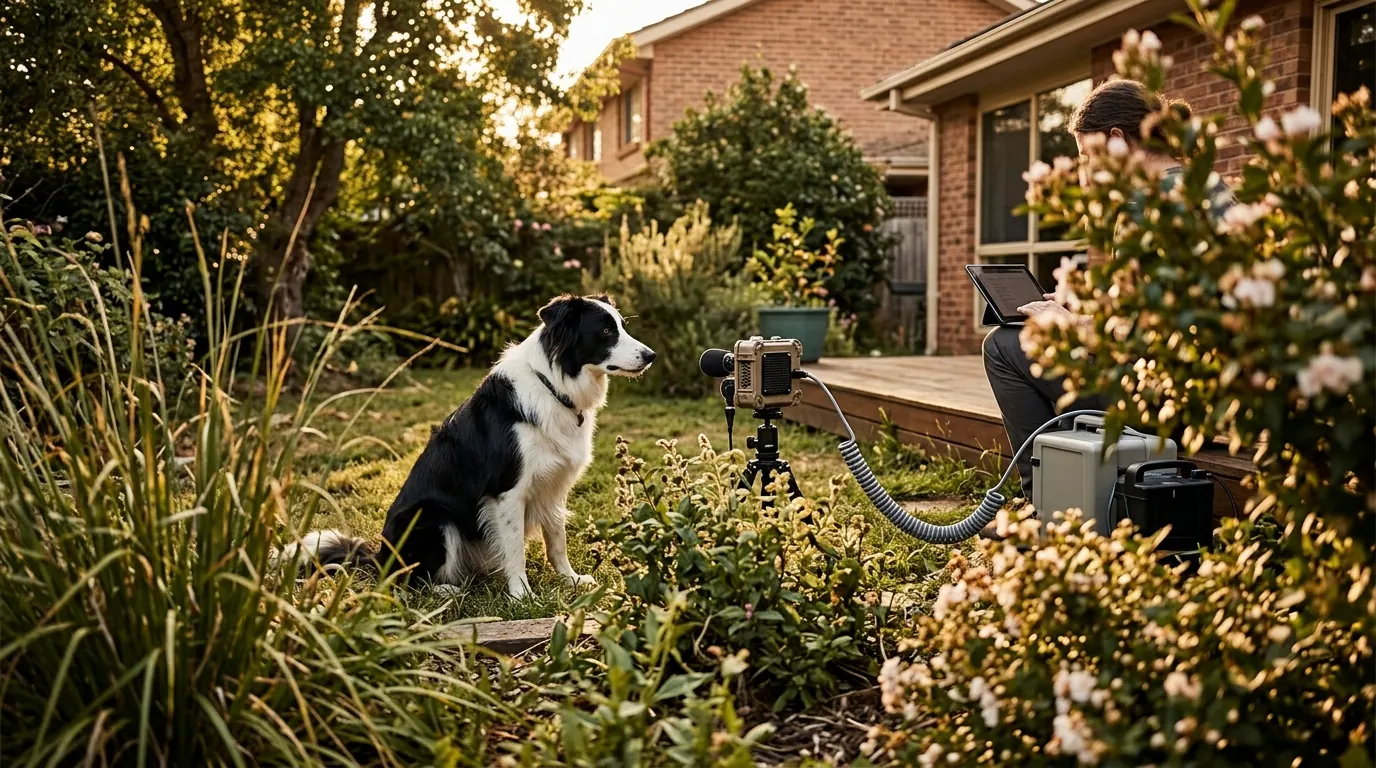
Is there evidence that AI is being used to decode dog language?
Yes. AI is already being used to translate parts of “dog language” by learning patterns in vocalizations (barks, whines, growls), body language (posture, tail motion, ear position), and day-to-day behavior (activity, rest, pacing, routines). In practice, these systems don’t “speak fluent dog,” but they can classify signals into useful categories—like excitement, stress, play, attention-seeking, or possible discomfort—based on what they’ve been trained to recognize.
What AI can realistically decode today
Most current tools focus on probability-based interpretation, not perfect translation. That means you’ll often see outputs like “high likelihood of stress” or “increased arousal” instead of a word-for-word sentence. The most reliable results come from combining multiple inputs: audio + motion + context, rather than relying on bark sound alone.
Where you’ll see it in real life
You’ll encounter AI decoding efforts in three common places: (1) smartphone apps that analyze vocalizations, (2) pet cameras that flag behavioral events (pacing, barking bursts, repetitive movements), and (3) wearable trackers that detect shifts in activity, sleep, scratching, or routine. When these signals are grouped over time, they can help you spot trends—like rising restlessness before guests arrive or a drop in activity that warrants extra attention.
How we suggest using AI insights at home
Use AI as a “pattern finder” to support your own observation. If an alert says your dog is stressed, pair that insight with what you see: body posture, triggers, and timing. Then respond with clear, practical steps—more predictable routines, calmer departures, structured play, or a quieter space during busy moments.
Product guidance: getting better data safely
If you use a tracker, choose a comfortable, stable fit so sensors don’t shift. Our team recommends attaching devices to a well-fitted collar for everyday wear, or a secure harness setup for dogs that pull or have delicate necks. Keep the device lightweight, avoid sharp edges, and remove it during rough play if it can snag. For camera-based tools, place the camera at your dog’s shoulder-to-head height to capture posture and pacing rather than only a top-down view.
For a practical breakdown of how AI spots routine, mood, and health-related changes, visit our guide: https://marvellene.com/guide-ai-pet-behavior-tracking-health-mood-routine-insights/.
FAQ
Can AI pet trackers help identify changes in my dog’s routine?
Yes. Many AI-enabled trackers and cameras can highlight shifts in activity, rest, and repeated behaviors so you can notice routine changes sooner and adjust your schedule or environment accordingly.















Leave a comment