Can AI Decode Animal Language? What’s Realistic Now
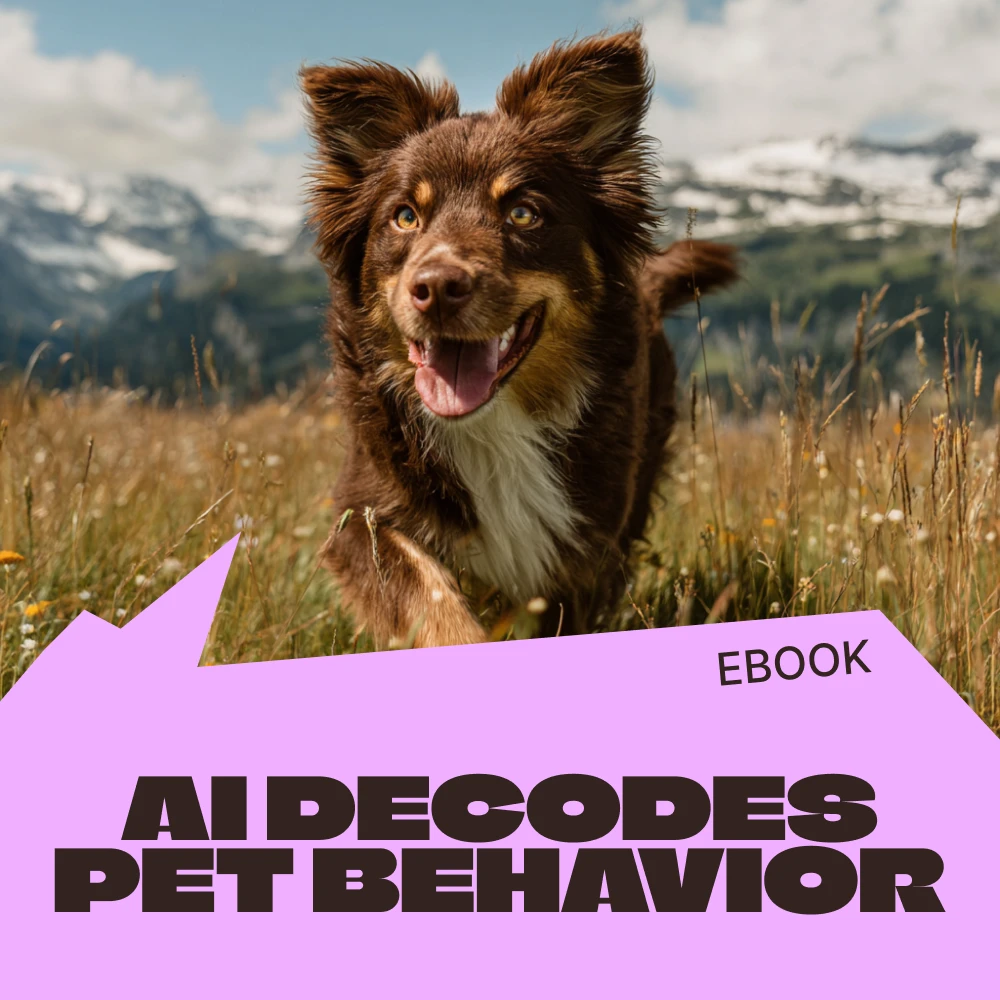
Will AI be able to decode animal language?
AI is getting closer to translating parts of animal communication, but “decode animal language” will likely look more like building reliable dictionaries for specific species and situations than producing word-for-word subtitles. Our team sees the fastest progress happening where animals produce repeatable signals (barks, meows, chirps, posture, tail position) that correlate with consistent contexts like hunger, stress, play, pain, or a request for attention.
What AI can realistically decode
Today’s strongest systems combine audio patterning (pitch, rhythm, frequency) with behavior cues (movement, routine changes, sleep shifts, pacing, hiding). That’s why the most practical wins for you are “meaning categories” such as “anxious,” “excited,” “seeking,” or “not feeling well,” rather than full sentences. When these signals are matched to time-of-day routines and environmental triggers, AI can flag emerging trends—like rising restlessness after visitors, or vocal spikes when water intake drops.
What it won’t replace
Even advanced models can miss nuance: individual personality, breed tendencies, age-related behavior, and mixed households can all change what a sound or gesture means. You’ll still want to confirm with real-world checks—body posture, appetite, litter box use, and any sudden routine change—especially if a tool suggests discomfort or pain.
How you can use AI tools safely right now
Choose tools that track more than one signal. Audio-only “translator” apps can be fun, but multi-sensor behavior tracking is more useful for everyday care. Set up a consistent baseline for 1–2 weeks, then watch for deviations (sleep disruption, reduced play, repeated licking, new avoidance). Use insights to adjust the environment first—fresh water placement, quieter rest zones, predictable feeding times, and enrichment—then involve your veterinarian if changes persist.
If you want a practical framework for turning daily observations into actionable care, our team put together a guide on using AI to track mood, health, and routine insights for pets: https://marvellene.com/guide-ai-pet-behavior-tracking-health-mood-routine-insights/.
FAQ
What’s the difference between pet behavior tracking and pet translation?
Behavior tracking looks for changes in patterns like activity, rest, vocalizing, and routines to infer states such as stress or discomfort. “Translation” claims to map sounds to specific phrases, which is far less reliable than pattern-based insights.















Leave a comment