Fresh Herbs at Home: A 7-Day Beginner Routine
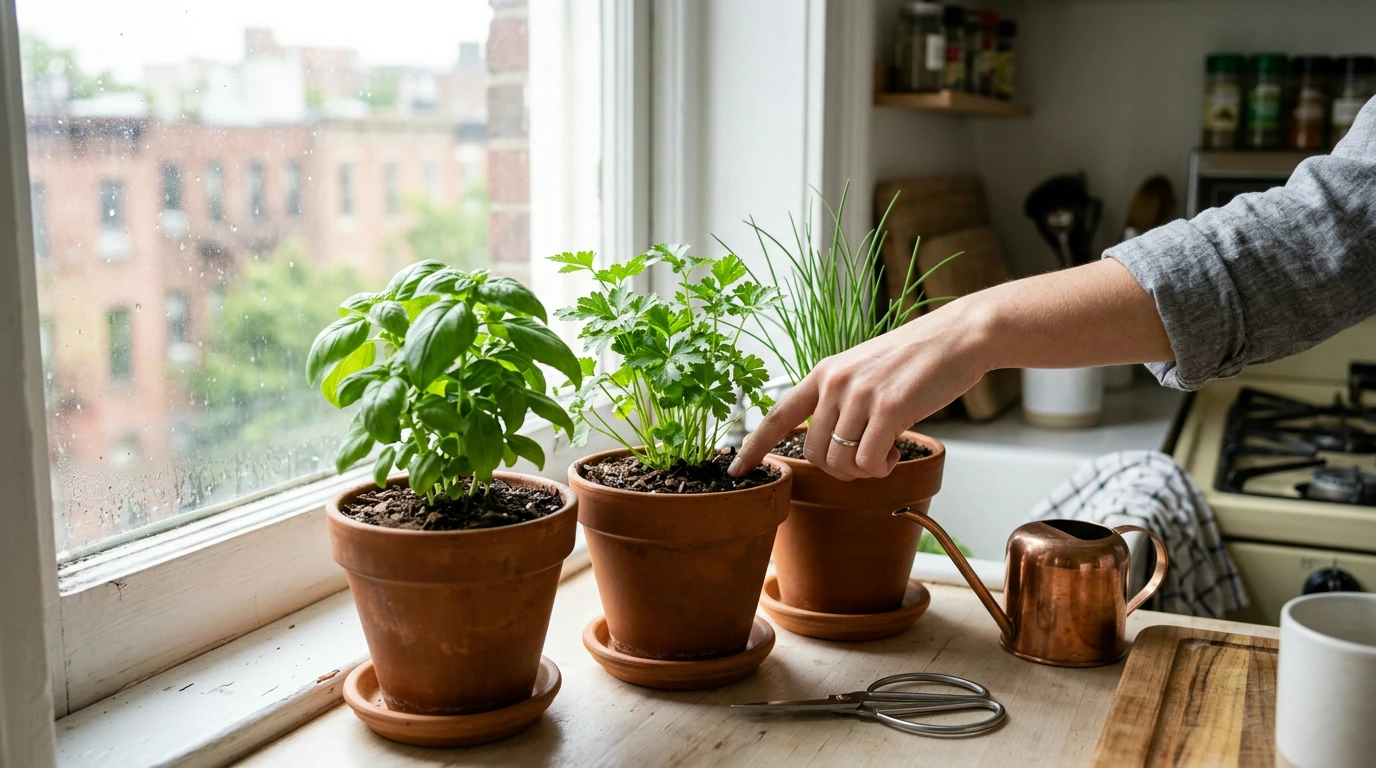
Thrive with Fresh Herbs at Home: a beginner-friendly routine that actually sticks
Fresh herbs change everyday cooking fast—and they’re one of the simplest ways to bring sustainable living into a small space. Our team built this beginner-friendly approach for real life: busy schedules, limited light, and the goal of stopping the weekly cycle of plastic clamshell herbs that wilt in two days. With a few smart choices up front and a calm micro-routine you can repeat, you can keep basil, parsley, chives, and more thriving on a windowsill, balcony, or countertop.
What this eBook helps you do (without turning your home into a greenhouse)
If you’ve tried herbs before and watched them fade, the issue is usually a handful of preventable basics—not your ability to “keep plants alive.” Here’s what you’ll be able to do with a simple, repeatable system:
- Start with a small, high-success herb set that fits your space and how you actually cook.
- Set up containers, drainage, and soil the right way so plants don’t fail for avoidable reasons.
- Use an “observe → adjust” method for watering and light, supported by easy check-ins.
- Harvest correctly so plants stay productive longer (more flavor, less waste).
- Build a sustainable micro-routine: 5 minutes daily, plus one deeper check each week.
To follow the full routine step-by-step, you can start with our digital guide: Thrive with Fresh Herbs at Home – A Complete Home Herb Garden eBook for Beginners, Sustainable Living & Smart AI-Guided Growing.
A starter path that works in apartments, rentals, and small kitchens
When you’re starting out, success comes from reducing variables. Keep the first month intentionally small, then expand once the routine feels automatic.
- Pick 3–5 herbs for the first month instead of starting with everything at once.
- Choose containers with drainage holes (or add them) and use saucers to protect surfaces.
- Place herbs where light is most reliable; in low-light homes, choose indoor-tolerant herbs first.
- Keep a basic toolkit: a small watering can, scissors for harvesting, labels, and a tray to contain mess.
- Use a “one change at a time” rule: adjust either water or light first—then wait and observe.
Beginner herb lineup (simple, useful, and forgiving)
| Herb | Why it’s a strong starter choice | Best home placement | How to harvest for regrowth |
|---|---|---|---|
| Basil | Fast payoff in meals; clear signs when it needs water | Bright window or balcony | Pinch above a pair of leaves to encourage branching |
| Mint | Hardy and generous; great for drinks and desserts | Bright to medium light (in its own pot) | Snip stems; keep contained to prevent spreading |
| Parsley | Reliable and versatile; good for beginners who cook often | Bright light; steady moisture | Cut outer stems near the base, leave the center |
| Chives | Low drama; regrows quickly after cutting | Sunny windowsill | Cut 1–2 inches above soil and let it rebound |
| Thyme | Drought-tolerant; great for hands-off care | Sunniest spot available | Trim lightly; avoid cutting into thick woody stems |
Smart AI-guided growing: make plant care simpler, not more complicated
“AI-guided growing” doesn’t mean turning your kitchen into a data lab. It means you use structured check-ins and targeted questions so you stop guessing and start noticing patterns.
- Create a recurring checklist: daily glance (30 seconds), weekly check (10 minutes), monthly refresh.
- Log quick observations in plain language: leaf color, soil feel, growth speed, and any drooping.
- Ask targeted troubleshooting questions (example: two likely causes + first test to try).
- Limit inputs so you don’t overwhelm the plant: don’t change pot size, location, and watering all at once.
- Plan seasonal shifts: winter window placement, summer heat adjustments, and preventing leggy growth.
Sustainable habits that keep the garden going (and cut waste)
Herbs are a natural gateway to lower-waste living—especially when you combine steady harvesting with smart storage.
- Harvest with intention: frequent small harvests beat one big cut that shocks the plant.
- Extend herb life in the kitchen: rinse, dry thoroughly, and store to reduce slimy leaves.
- Freeze extras when harvests are abundant: chopped herbs in oil or water can prevent waste.
- Prevent pests without harsh chemicals by prioritizing airflow, clean leaves, and early detection.
- Compost-friendly mindset: trim waste becomes compost inputs, and spent plants become a learning cycle.
If you want reliable, research-backed composting basics, the USDA National Agricultural Library has helpful home composting resources, and the Royal Horticultural Society (RHS) herb care guidance is a solid reference for herb-by-herb needs.
Common beginner problems—and the fast way to troubleshoot
A simple 7-day routine to build momentum
If you like the idea of small routines that keep your home feeling calmer overall, our team also offers Simple Ways to Control Pet Hair at Home (Digital Download)—another practical, low-overwhelm system you can fold into weekly resets.
FAQ
Can herbs grow well indoors without a balcony or backyard?
Yes—choose herbs that tolerate indoor conditions, place them at your brightest window, and keep watering consistent while rotating pots for even growth. Our routine focuses on small-space placement and repeatable care so indoor herbs stay productive.
How often should a beginner water herbs in pots?
There’s no fixed schedule; water based on soil feel and plant cues. A simple method is checking the top inch of soil—if it’s dry, water; if it’s still damp, wait—because overwatering is more common than underwatering indoors.
What does “AI-guided growing” actually look like for a beginner?
It looks like quick prompts and check-ins: logging simple observations, asking focused troubleshooting questions, and following a small daily/weekly routine. The goal is to keep decisions simple and avoid changing multiple things at once.
















Leave a comment