Will Dry Mouth Go Away? Causes, Timeline, and Fixes

Will a dry mouth ever go away?
Yes—dry mouth (xerostomia) can go away, especially when the cause is temporary. If it’s from dehydration, mouth breathing during sleep, a short-term illness, or a new routine change (like extra caffeine or alcohol), symptoms often improve once the trigger is corrected. Many people notice relief within days when they increase fluid intake, reduce drying habits, and support saliva flow.
Dry mouth is less likely to fully disappear on its own when it’s driven by an ongoing cause, such as certain prescription medications, untreated sleep issues that keep you breathing through your mouth, chronic nasal congestion, or medical conditions that affect saliva production. In those cases, symptoms can still get much better—but it may take a targeted plan and sometimes help from a clinician or dentist.
What “going away” usually looks like
For some people, the goal is complete resolution. For others, it’s consistent control: fewer wake-ups at night, less sticky saliva, improved swallowing and speech comfort, and fewer sore spots. If you’re waking up dry every morning, small evening changes (humidifier use, nasal support, limiting alcohol, and avoiding very salty snacks) can make a noticeable difference.
When it’s a sign to dig deeper
If your dry mouth lasts more than a couple of weeks, keeps returning, or comes with mouth sores, trouble swallowing, changes in taste, or more cavities, it’s worth addressing sooner. Low saliva can raise the risk of tooth decay and gum irritation, so ongoing symptoms shouldn’t be ignored.
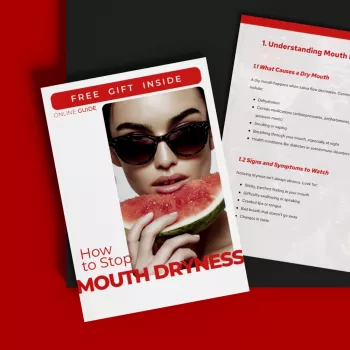
For a practical, step-by-step routine—quick relief tips, nighttime fixes, and daily habits—see the full guide here: How to stop dry mouth (quick relief, night routine, and daily habits).
For Will Dry Mouth Go Away? Causes, Timeline, and Fixes, the best answer depends on fit, material, care instructions, and how the product will be used day to day.
FAQ
What are the fastest ways to relieve dry mouth at night?
Sip water as needed, use a bedside humidifier, and try saliva-stimulating lozenges or sprays made for dry mouth. If mouth breathing is the culprit, improving nasal airflow before bed can help reduce overnight dryness.















Leave a comment