Best Sofa Bed for Sleeping Every Night: What to Choose
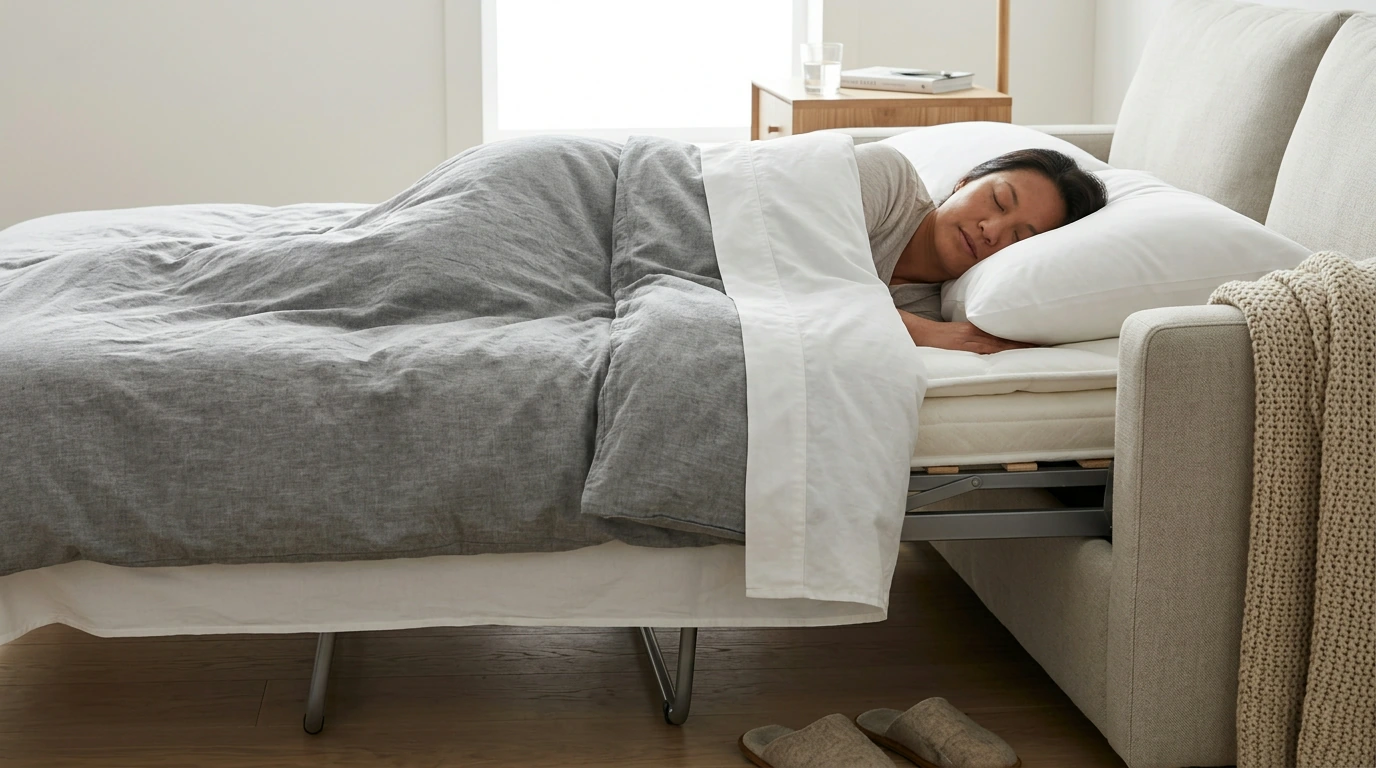
What is the best sofa bed to sleep on every night?
The best sofa bed for nightly sleep is one that feels like a real bed first and a sofa second: a supportive, full-length sleep surface, a sturdy frame that won’t sag, and a design that’s easy to set up (or keep made) without constant effort. For most people, that means prioritizing a flat, even base and a mattress or cushion system that stays aligned—no bar pressure, no deep seams, and no soft spots that develop quickly.
What to look for in a nightly-use sofa bed
Start with support. A reinforced platform or slat system generally sleeps more evenly than thin spring grids that can create pressure points. Next, focus on comfort thickness and consistency: a higher-density foam build (often paired with a topper if desired) tends to hold up better than ultra-plush, low-density cushions that compress fast.
Pay attention to dimensions and ergonomics, too. A sleep surface long enough for your height and wide enough for your preferred sleeping position prevents nightly compromises. Finally, pick a design that matches real life—storage for bedding, minimal setup steps, and upholstery that’s comfortable against skin and durable under daily wear.
A strong option for small spaces: luxury floor sofa beds with storage
If a traditional pull-out feels too bulky (or too uneven) for everyday sleep, a well-designed floor sofa bed can be a smart alternative—especially in apartments, studios, and guest-room offices. These styles often create a flatter sleeping area, reduce mechanical parts that loosen over time, and can include built-in storage so sheets and blankets stay within reach.
For a deeper look at this approach—what makes it feel more bed-like, what to check before buying, and how storage and layout factor into comfort—see the guide here: luxury floor sofa bed with storage for small spaces.
FAQ
How do you make a sofa bed more comfortable?
Add a high-quality mattress topper (2–3 inches is a common sweet spot), use breathable bedding, and place a supportive layer between the mattress and frame if you feel bars or unevenness. Keeping pillows sized for your sleep position can also reduce neck and shoulder strain.















Leave a comment