Excessive Pet Hair at Home: Simple Daily & Weekly Fixes
How to deal with excessive pet hair in house?
Excessive pet hair usually comes from a mix of shedding, static cling, and hair getting “tracked” from pet-favorite spots to the rest of the home. The fastest way to get ahead of it is to combine a simple daily reset with a deeper weekly routine, focusing on the areas where hair collects most.
Start with the source: brush and contain
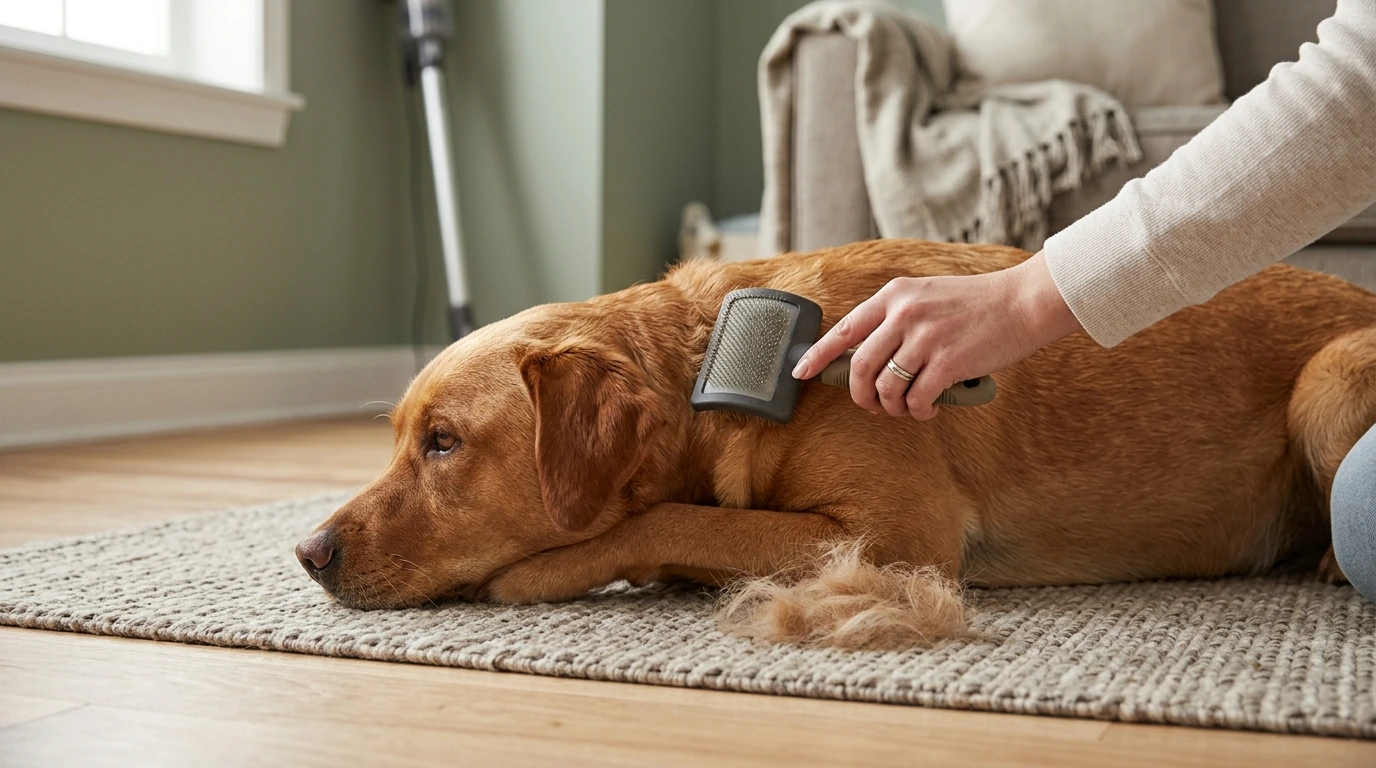
Brush pets on a predictable schedule (even 3–5 minutes a day helps) and do it in a single easy-to-clean spot, like a tiled entry or a washable mat. If shedding spikes seasonally, increase brushing frequency and use a tool suited to your pet’s coat type. Keeping hair on the brush instead of the couch is the biggest win.
Use a “two-tool” floor routine
For hard floors, run a microfiber dust mop first to grab fine hair, then vacuum to remove what the mop missed. For carpet and rugs, vacuum slowly in overlapping passes; pet hair often needs multiple directions to lift from fibers. A rubber broom or squeegee is excellent for pulling stubborn hair out of low-pile carpet before vacuuming.
Make fabrics less sticky
Wash throws, slipcovers, and pet blankets frequently, and dry them with dryer balls to loosen hair. On upholstery, use a rubber glove lightly dampened with water or a pet hair remover tool to gather hair into clumps, then vacuum with an upholstery attachment. If static is a major issue, a light mist of water on your tool (not the fabric) can help.
Target hotspots and keep them cleanable
Place washable covers on pet-favorite furniture zones and keep a small handheld vacuum or lint roller where you’ll use it (living room and bedroom). Entryways also matter—hair and dander hitch a ride on paws and fur, so a quick wipe-down of pet feet after outdoor time can reduce spread.
For a step-by-step routine, tool recommendations, and easy maintenance habits, see the full guide: Pet Hair Control: Easy Routines for a Cleaner Home.
FAQ
How often should you vacuum with pets?
High-traffic areas usually need vacuuming 3–5 times per week, while the rest of the home can often be handled weekly. During heavy shedding seasons, a quick daily pass where your pet lounges makes a noticeable difference.
















Leave a comment