Use AI to Spot Wasteful Spending and Cut Bills Fast
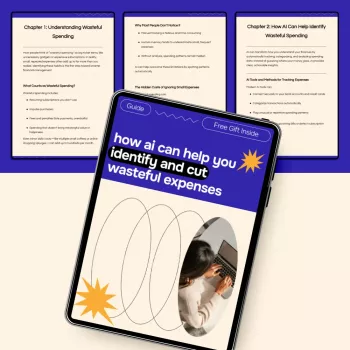
How AI Can Help You Identify and Cut Wasteful Expenses
AI can turn messy spending data into clear patterns: subscriptions that quietly renew, price jumps on recurring bills, “small” purchases that add up, and categories that drift higher month after month. With the right setup, it can flag likely waste, suggest specific fixes, and help track results—without requiring a complicated budgeting system.
What “wasteful expenses” look like in real life
Waste usually isn’t one dramatic splurge. It’s the steady drip of spending that no longer matches what you actually use, value, or intended to keep paying for.
- Recurring charges that no longer match current needs (unused memberships, overlapping streaming services, app subscriptions).
- Convenience spending that spikes under stress or time pressure (delivery fees, impulse add-ons, last-minute rideshares).
- Silent price creep on essentials (insurance premiums, mobile plans, internet rates, bank fees).
- Leakage from “almost invisible” habits (daily snacks, in-app purchases, late fees, interest from carrying balances).
- Duplicate purchases and underused purchases (buying the same item again because it can’t be found, bulk buys that expire).
How AI spots spending patterns humans often miss
People are great at remembering big purchases and terrible at noticing gradual shifts. AI helps by reviewing transactions consistently and surfacing what changed.
- Automatically categorizes transactions more consistently than manual tracking, especially for merchants with unclear names.
- Finds anomalies by comparing current spending to personal baselines (for example, a 20% jump in dining over two weeks).
- Detects recurring payments and renewal cycles, including annual subscriptions that slip past monthly reviews.
- Clusters purchases by context signals (time of day, day of week, location) to reveal trigger-based spending.
- Summarizes “where the money went” into simple narratives (top movers, biggest surprises, new merchants).
A practical workflow: from raw transactions to quick wins
The goal isn’t perfect tracking. It’s a repeatable routine that turns data into a short list of actions.
- Gather data sources: bank and credit card exports, subscription lists, receipts, and put them in one place to review.
- Run a first-pass scan: look for recurring charges, fees, and interest; prioritize items with the highest annual cost.
- Split costs into two buckets: “necessary but negotiable” (insurance, internet, phone) vs. “optional and cancelable” (subscriptions, add-ons).
- Use an effort vs. impact filter: start with low-effort, high-impact actions (cancel, downgrade, negotiate, autopay).
- Set guardrails: alerts for category thresholds, unusual transactions, and renewal reminders.
- Recheck monthly: AI gets better as it learns normal patterns and flags deviations earlier.
Waste detectors AI is especially good at
Once your transactions are categorized and searchable, a few “detectors” tend to produce fast results—especially if you focus on repeatable leaks rather than one-time purchases.
- Subscription overlap: identifies multiple services serving the same purpose and suggests a keep/cancel short list.
- Fee hunting: highlights ATM fees, account maintenance fees, late fees, and avoidable interest charges.
- Bill negotiation targets: flags providers with steady increases or above-average costs relative to past months.
- Retail drift: finds brand-switch opportunities by comparing repeat purchases and price-per-unit trends.
- Lifestyle creep signals: notices gradual category inflation (shopping, personal care, entertainment) that doesn’t feel dramatic week to week.
Common waste signals and the fastest next step
| Spending area | AI signal | Why it matters | Quick action |
|---|---|---|---|
| Subscriptions | Recurring charge with low usage or long gaps | Paying for convenience that isn’t being used | Cancel, pause, or switch to a cheaper tier |
| Dining & delivery | Spike on specific days/times | Trigger-based spending adds up fast | Set a weekly cap and replace with a planned option |
| Banking | Repeated fees (ATM, maintenance, overdraft) | Pure cost with no benefit | Change accounts, set alerts, adjust cash buffer |
| Utilities & internet | Upward trend vs. historical baseline | Price creep can become permanent | Request promos, compare providers, adjust plan |
| Shopping | Many small purchases from the same retailer | “Low ticket” items become a large monthly total | Bundle purchases, use a waiting rule, remove saved cards |
Turning insights into savings without feeling deprived
Cutting waste works best when it feels like “less friction” rather than “less life.” AI can help you stay selective and avoid overcorrecting.
Privacy, accuracy, and responsible use
For additional consumer and security guidance, review the CFPB’s resources on managing your money, the FTC’s credit, loans, and debt resources, and NIST’s overview of cybersecurity basics like strong passwords and MFA.
Digital guide to make the process simple
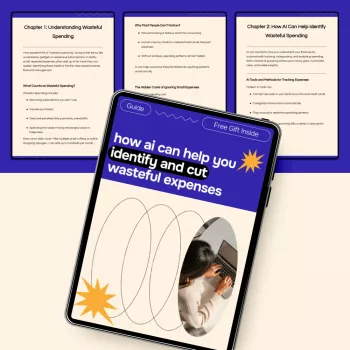
- How AI Can Help You Identify and Cut Wasteful Expenses (Digital Download) — a step-by-step approach for spotting waste, prioritizing fixes, and setting up ongoing alerts and reviews.
- Metal Wall Art for Living Room & Restaurant — a tangible “goal purchase” that can help keep savings motivating: cut waste first, then choose intentional upgrades.
FAQ
Do AI tools replace budgeting apps, or work alongside them?
They typically work alongside budgeting. AI helps with categorization, anomaly detection, and recurring-payment discovery, while a budget defines goals and limits; many budgeting apps now include AI-like features for both.
What are the fastest expenses to cut with the least lifestyle impact?
Start with unused subscriptions, avoidable bank fees, interest from carrying balances, and bills that can be negotiated. These changes often reduce costs without affecting your day-to-day routines.
Is it safe to share spending data with AI?
It can be, if you minimize access and choose reputable tools: prefer read-only connections or exports, correct categories rather than oversharing, and anonymize files before using general AI chats. Use strong passwords and multi-factor authentication to protect accounts.















Leave a comment