Stop Dry Mouth: Quick Relief, Night Fixes, Daily Habits
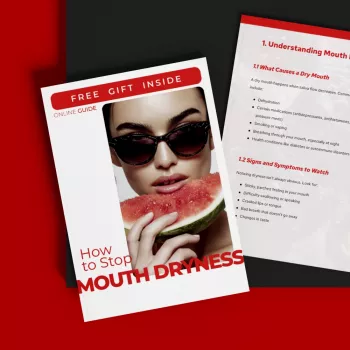
How to Stop Mouth Dryness: Practical Steps for Everyday Relief and Long-Term Comfort
Mouth dryness can make speaking, eating, and sleeping uncomfortable and can raise the risk of bad breath and tooth decay. Relief usually comes from a mix of quick moisture boosts, small daily habit changes, and addressing common triggers like medications, dehydration, mouth breathing, and dry indoor air.
What Mouth Dryness Feels Like (and Why It Matters)
Dry mouth (often called xerostomia) can show up in subtle ways at first, then become more disruptive over time. Common signs include sticky or thick saliva, frequent thirst, a sore or burning tongue, cracked lips, trouble swallowing dry foods, and waking up with a dry mouth.
Saliva isn’t just “moisture”—it helps protect teeth, buffers acids, supports digestion, and helps control bacteria. When dryness is persistent, irritation can build and cavities can develop faster, especially if sugary drinks or candies are used for quick relief.
Most Common Causes to Check First
If your dry mouth is new or suddenly worse, a few common causes are worth checking first:
- Medications: Many antihistamines, antidepressants, decongestants, blood pressure meds, and pain medicines can reduce saliva.
- Dehydration: Not drinking enough water, heavy sweating, vomiting/diarrhea, or too much caffeine/alcohol.
- Mouth breathing: Nasal congestion, allergies, deviated septum, or sleeping with an open mouth.
- Lifestyle and diet: Smoking/vaping, frequent acidic drinks, high-salt snacks, and very spicy foods.
- Health factors: Diabetes, Sjögren’s syndrome, thyroid issues, anxiety/stress, and sleep apnea.
Quick cause-and-action checklist
| Possible trigger | Clues | Practical first step |
|---|---|---|
| Medication side effect | Dryness started after a new prescription | Ask pharmacist/clinician about timing changes, alternatives, or saliva-support options |
| Not enough fluids | Dark urine, headache, fatigue | Hydrate steadily; add electrolytes after heavy sweating |
| Mouth breathing at night | Waking up parched, snoring | Try nasal saline rinse, allergy management, humidifier; consider sleep evaluation if snoring persists |
| Caffeine/alcohol | Dryness after coffee, energy drinks, wine | Reduce intake; pair with water; avoid late-day alcohol |
| Smoking/vaping | Dry mouth plus throat irritation | Cut down; rinse with water; seek cessation support if needed |
Fast Relief: What to Do in the Moment
When your mouth feels uncomfortably dry, focus on quick, tooth-friendly moisture and saliva stimulation:
- Sip water frequently: Small sips often work better than chugging (which can pass through quickly without lasting comfort).
- Chew sugar-free gum or use sugar-free lozenges: These can stimulate saliva; xylitol can be a tooth-friendly option.
- Rinse gently: Swish with plain water or a mild salt-and-baking-soda rinse. Avoid harsh mouthwashes that sting.
- Pause the drying triggers: Alcohol, tobacco, and very salty or spicy snacks can make flare-ups worse.
- For meetings or long conversations: Keep water nearby and take a sip before speaking for long stretches.
Simple Daily Habits That Add Up
Daily routines make the biggest difference when dryness is recurring. A few small changes can reduce how often it flares and how intense it feels.
- Build a hydration rhythm: Water at wake-up, between meals, and mid-afternoon. If nighttime bathroom trips disrupt sleep, shift more fluids earlier in the day.
- Choose saliva-friendly foods: Soups, yogurt, smoothies, and sauces are easier to tolerate. Add broth, olive oil, or gravy to dry foods.
- Use alcohol-free oral care: Swap drying mouthwash for alcohol-free formulas; consider a fluoride rinse if cavities are a concern.
- Protect lips and oral tissues: Use a plain lip balm and avoid frequent licking, which can worsen cracking.
- If caffeine is needed: Keep servings earlier in the day and pair each caffeinated drink with a glass of water.
Nighttime Dry Mouth: A Comfort-Focused Routine
Dry mouth often feels worst overnight because saliva naturally decreases during sleep—and mouth breathing can amplify it. A simple bedtime routine can improve comfort quickly.
If allergies or irritants worsen nasal congestion, keeping your sleeping space cleaner can help some people breathe through their nose more consistently. For a home routine that targets shedding and dander, consider Simple Ways to Control Pet Hair at Home – Practical Guide for Shedding Control at Home.
Oral Care for Dry Mouth (Without Making It Worse)
For more background on symptoms and dental risks, see the American Dental Association’s dry mouth overview and the NIH MedlinePlus dry mouth page.
When to Get Medical Advice
A Practical Plan to Follow (Daily + Weekly)
Daily
Nightly
Weekly
One-week relief tracker
| Day | Main triggers noticed | What helped most | Night dryness (0–10) |
|---|---|---|---|
| Mon | |||
| Tue | |||
| Wed | |||
| Thu | |||
| Fri | |||
| Sat | |||
| Sun |
Printable Guide for Staying Consistent
If you want a ready-to-follow reference that covers quick relief, nighttime routines, trigger tracking, and dental-friendly habits, see How to Stop Mouth Dryness – Practical Guide for Everyday Relief.
FAQ
Why is mouth dryness worse at night?
Saliva production naturally drops during sleep, so your mouth dries out more easily. Mouth breathing from congestion or snoring and dry indoor air can make it worse; a humidifier and nasal saline routine often help.
What drinks make mouth dryness worse?
Alcohol is a common trigger, and caffeinated drinks can feel drying for some people—especially without enough water alongside. Sugary or acidic beverages can also increase irritation and cavity risk, so water or unsweetened tea is usually a better choice.
Can dry mouth cause bad breath and cavities?
Yes—saliva helps wash away bacteria and neutralize acids, so low saliva can contribute to bad breath and faster tooth decay. Fluoride toothpaste/rinses, avoiding frequent sugary sips, and regular dental care help reduce those risks.















Leave a comment