Lease-End Buyout Guide: Should You Buy Your Leased Car?
Buying Your Leased Car at Lease-End: A Practical Guide to a Confident Decision
End-of-lease choices can feel deceptively simple: buy it, return it, or replace it. The right move depends on the buyout price, the car’s real-world condition, financing costs, and how the market value compares to what you’d pay to get into something similar today. Use the steps below to evaluate the numbers, spot hidden costs, and decide with clarity.
Start With the Lease Buyout Numbers That Matter
Before comparing anything, get your buyout “all-in” total. The number printed in your contract is only the starting point.
- Locate the purchase option price (residual value) in the lease contract; confirm whether taxes and fees are included or added.
- Ask the lessor for a written payoff quote that includes the buyout price, applicable sales tax, title/registration, documentation fees, and any purchase-option fee.
- Check timing rules: some leases require purchasing before the maturity date; others allow a short window after turn-in.
- Confirm whether the buyout is allowed through a third party or only the lessee (rules vary by captive finance companies).
Lease-End Cost Checklist
| Cost item | Where to find it | Why it matters |
|---|---|---|
| Residual / purchase option price | Lease contract + payoff quote | Baseline price to own the vehicle |
| Sales tax | State rules + payoff quote | Can add thousands; may differ for private vs dealer transaction |
| Title/registration | DMV/state site + payoff quote | Required to transfer ownership and legally drive |
| Purchase option fee | Lease contract | Common fixed fee at lease-end purchase |
| Disposition fee (if returning) | Lease contract | Avoided if buying; included when comparing return vs buy |
| Wear-and-tear charges (if returning) | Inspection report | Can tilt the decision toward buying if charges are high |
| Mileage overage (if returning) | Lease contract | Extra cost per mile; avoided if buying |
Compare Buyout Price to Real Market Value
The most grounding comparison is your all-in buyout cost versus what it would cost to replace your car with a similar one today. That replacement price should be local and realistic, not the best-case listing you found three states away.
- Estimate the car’s current market value using multiple sources (trade-in, private-party, and dealer retail ranges).
- Compare your all-in buyout cost (buyout + taxes/fees) to a realistic replacement cost for a similar vehicle in your area.
- If the buyout is meaningfully below market value, buying can lock in equity; if it’s above, returning may be stronger unless the car has unique value to you.
- Consider transaction friction: buying avoids dealer markups and shopping time, but still requires title/tax steps.
To sanity-check your assumptions, it helps to read consumer guidance on leasing and auto financing basics from the Consumer Financial Protection Bureau, and general buying/ownership tips from the Federal Trade Commission.
Inspect Condition Like a Buyer, Not a Lessee
Lease drivers sometimes postpone “ownership mindset” maintenance because the car is going back. If you’re buying it, shift your lens: you’re purchasing a used vehicle—just one you already know.
- Review maintenance history and confirm all scheduled services were completed; incomplete maintenance can reduce value and increase future repair risk.
- Check tires and brakes: leases often end with near-worn components; replacement costs should be added to your buyout math.
- Get a pre-purchase inspection from a trusted mechanic, especially if the vehicle is out of warranty or close to it.
- Run a vehicle history report if allowed; verify no undisclosed accidents, title issues, or open recalls.
- If returning, understand the lessor’s wear standards and request a pre-return inspection early to avoid last-minute fees.
Also take two minutes to check for open safety recalls using the NHTSA recalls lookup. An open recall doesn’t automatically mean “don’t buy,” but it should be resolved promptly and may affect scheduling and peace of mind.
Factor in Warranty, Reliability, and Future Ownership Costs
The residual might be attractive, but the next 24–48 months of ownership expenses are what determine whether the buyout stays a good deal.
Financing the Buyout: Rates, Terms, and Total Cost
Decision Shortcuts: When Buying Usually Wins vs When Returning Does
A Simple End-of-Lease Decision Tool to Organize the Choice
Quick Buy vs Return Scorecard
| Question | Yes | No |
|---|---|---|
| Is the all-in buyout lower than comparable market prices? | Leans toward buying | Leans toward returning/replacing |
| Is the car in strong condition with predictable maintenance? | Leans toward buying | Leans toward returning/replacing |
| Would return fees (mileage/wear/disposition) be costly? | Leans toward buying | Neutral |
| Is financing competitive and affordable within your timeline? | Leans toward buying | Leans toward returning/replacing |
Helpful Tools and Downloads
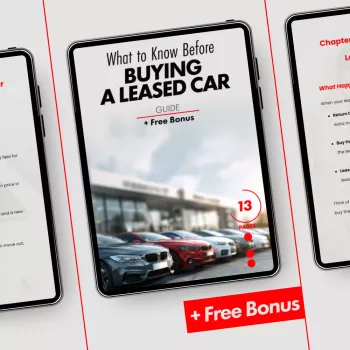
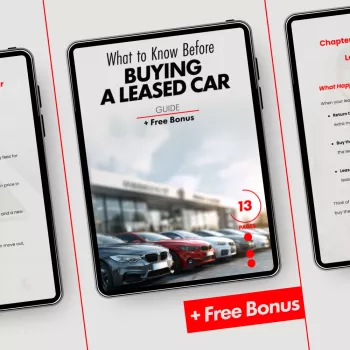
- What to Know Before Buying a Leased Car – Smart End-of-Lease Guide for Confident Buyers | Should I Buy a Leased Car at End of Lease Decision Tool (Digital download)
- 3D Resin AirPods Max Case Alien Snake Design (Accessory)
FAQ
Is it smart to buy a vehicle at the end of a lease?
It can be smart when the all-in buyout (price plus taxes and fees) is at or below the vehicle’s market value, the condition is solid, and the financing terms keep the total cost reasonable. It’s usually less attractive when the buyout is above market, major maintenance is imminent, or reliability is uncertain.
What is the best option at the end of a car lease?
The best option depends on the math and your needs: buy if the buyout is favorable and you want to keep the car, return if the buyout is high or the vehicle no longer fits your life, and replace/lease again if you want a newer vehicle with predictable payments.















Leave a comment