AirPods Pro Memory Foam Tips: Anti-Slip Noise Seal
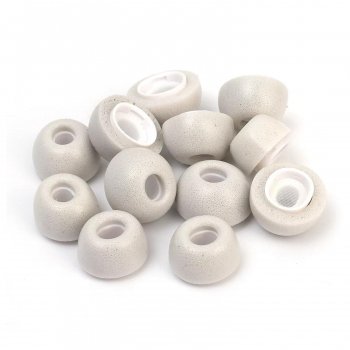
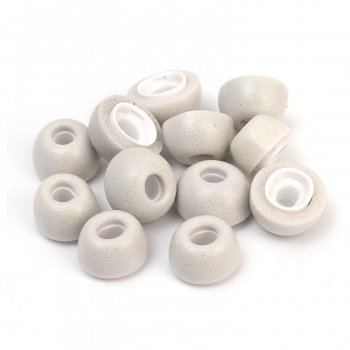
Apple AirPods Pro Memory Foam Ear Tips with Noise Isolation and Anti-Slip Fit
Memory foam ear tips can change how AirPods Pro feel and perform by improving the seal inside the ear canal. A better seal often means steadier wear, stronger passive noise isolation, and more consistent active noise cancellation—especially for workouts, commuting, and long listening sessions.
What makes memory foam different from standard ear tips
Unlike most standard silicone tips, memory foam compresses and then slowly expands to match the shape of your ear canal. That “customized” feel is what many people notice first: the earbud can feel more planted, with less pressure concentrated in one spot.
- Memory foam compresses and then expands to match the ear canal shape, creating a more personalized fit than many silicone tips.
- A tighter seal can reduce outside sound before ANC even kicks in, which may help keep volume levels lower in noisy places.
- Foam can feel softer at pressure points for some ears, especially during extended wear.
- Because foam “fills gaps,” it can reduce the small shifts that cause bass dropouts or sudden changes in noise control.
For many listeners, the biggest “upgrade” isn’t louder sound—it’s more consistent sound. When the seal holds steady, bass stays full and the overall balance doesn’t change every time you chew, smile, or turn your head.
Noise isolation and why the seal matters
Passive noise isolation depends on how well the tip blocks the ear canal opening. Even tiny leaks can let in a surprising amount of sound, which is why two people can have totally different experiences with the same earbuds.
- Passive noise isolation depends on how well the tip blocks the ear canal opening; even tiny leaks can let in a lot of noise.
- A stable seal can make ANC performance more consistent, particularly in low-frequency environments like trains, buses, and office HVAC noise.
- Better isolation can improve perceived bass response because low frequencies are less likely to “leak” out.
- For calls, a steadier fit can reduce the need to readjust earbuds mid-conversation.
If you’re trying to protect your hearing in loud places, better isolation can also help you keep listening levels more reasonable. The CDC has practical guidance on avoiding long-term damage from loud sound exposure (CDC: About Noise-Induced Hearing Loss).
Foam tips vs. silicone tips at a glance
| Feature | Memory foam tips | Silicone tips |
|---|---|---|
| Seal in the ear | Expands to fill gaps; often stronger seal | Depends heavily on ear shape and size choice |
| Noise isolation | Typically higher passive isolation | Typically moderate passive isolation |
| Stability (anti-slip feel) | Often better grip and less shifting | Can feel slick with sweat or movement |
| Comfort over time | Soft, pressure-distributing for many users | Can be great, but may create pressure points for some |
| Maintenance | Needs gentle cleaning; may wear faster | Easier to wipe clean; often lasts longer |
| Fit consistency day-to-day | High once sized correctly | Can vary with ear moisture and placement |
Anti-slip design: staying put during movement
An anti-slip fit usually comes down to three things working together: the foam texture, the expansion pressure (how the foam “pushes back” once it expands), and choosing a size that’s truly right for your ears.
- Anti-slip fit is usually the result of a combination of foam texture, expansion pressure, and the right size.
- A secure tip helps prevent the “slow slide out” that happens with jaw movement, sweating, or quick head turns.
- For workouts, a reliable seal can reduce the urge to push earbuds back in, which can also reduce accidental touch controls.
- If slipping happens often, it’s usually a sizing issue (too small) or insertion issue (not seated long enough for foam to expand).
For runners, gym sessions, and brisk walks, the “set it and forget it” feel is often the main win. When your earbuds stop migrating, you can focus on your workout instead of constantly checking your fit.
Choosing the right size for comfort and performance
Sizing is where foam tips either shine or disappoint. Start with the size closest to the silicone tips that already fit best, then adjust based on the seal and how your ears feel after 10–15 minutes.
How to install and get the best fit
Apple explains how to run the Ear Tip Fit Test and fine-tune placement here: Apple Support: Get the best fit with your AirPods ear tips (Ear Tip Fit Test). If the test reports a poor seal, try reseating the tip, holding it in place a bit longer, or switching sizes.
Care, cleaning, and expected wear
Who benefits most from memory foam ear tips
Product options to upgrade your fit
- Apple AirPods Pro Memory Foam Noise Isolating Ear Tips with Anti-Slip Design (In stock)
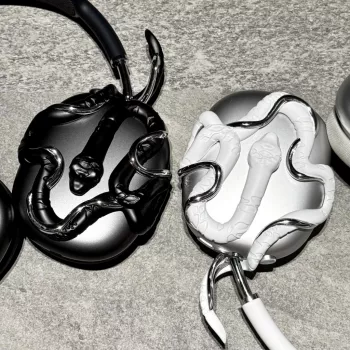
- 3D Resin AirPods Max Case Alien Snake Design (In stock)
FAQ
Are foam tips better for AirPods Pro?
They can be, especially if you want a stronger seal, better stability, and improved passive noise isolation. Silicone tips are often easier to wipe clean and may last longer, so “better” depends on whether fit and consistency or low-maintenance durability matters more.
Are there any memory foam eartips available for AirPods Pro?
Yes—memory foam tips made for AirPods Pro are widely available, and compatibility depends on choosing tips designed to attach securely to the AirPods Pro nozzle. If you want a direct option, the in-stock product listed above is made specifically for AirPods Pro fit and sealing.
How to stop AirPods Pro from slipping out of ears?
Start by confirming the correct tip size, then insert properly (with foam, compress first and hold briefly while it expands). Run the iOS Ear Tip Fit Test if available, and keep tips clean so oils don’t reduce grip; switching to foam tips often adds extra traction and a more secure seal.













Leave a comment