Solid Wood Nightstands: Luxury Bedside Tables That Last
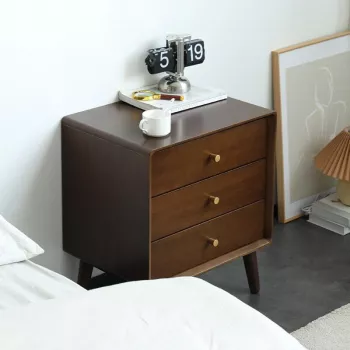
Solid Wood Nightstands: Luxury Bedside Table That Elevates the Bedroom
A luxury bedside table should feel as intentional as the bed itself—balanced proportions, tactile materials, and storage that supports real routines. Solid wood nightstands bring warmth, durability, and a finished look that pairs well with both contemporary and classic bedrooms. With the right details—joinery, finish, and sizing—a nightstand becomes more than a surface for a lamp; it becomes a daily touchpoint that makes the whole room feel composed.
What Makes a Bedside Table Feel Truly Luxurious
“Luxury” at the bedside isn’t about ornament for ornament’s sake. It’s the calm confidence of a piece that looks right, feels right, and functions quietly every day.
- Material honesty: real solid wood grain, clean edge detailing, and a finish that highlights depth rather than masking it.
- Proportion and presence: a footprint that fits the room while still feeling substantial next to the bed.
- Functional refinement: drawers that glide smoothly, stable stance, and surfaces that resist everyday wear.
- Visual cohesion: design lines that complement headboards, lighting, and hardware finishes already in the space.
Wood is also a living engineering material—its strength and movement are well understood in woodworking and furniture design, which is part of why solid wood pieces can be built to last for years when properly constructed and cared for. For deeper background, see the USDA Forest Service Wood Handbook.
Why Solid Wood Nightstands Stand Out
Solid wood has a distinct advantage in the “touch and time” tests: how it feels in daily use and how it holds up across seasons and moves.
- Long-term durability: solid wood typically tolerates decades of use better than thin veneers or fiberboard.
- Repairable surfaces: many minor scratches can be buffed, refinished, or spot-repaired depending on the finish system.
- Natural variation: each piece can show unique grain and tone, adding depth to a luxury bedroom setup.
- Stability: solid wood construction often feels more planted, reducing wobble and drawer racking over time.
Solid Wood vs. Common Alternatives
| Feature | Solid Wood | Veneer over Engineered Core | MDF/Particleboard |
|---|---|---|---|
| Durability over time | High; can last decades | Moderate; depends on veneer thickness and core | Lower; edges and fasteners can weaken |
| Refinishing potential | Often refinishable | Limited; veneer can sand through | Not ideal; coatings and substrate limit options |
| Feel and weight | Substantial, dense feel | Varies; often lighter than solid wood | Often heavy but less sturdy at joints |
| Moisture tolerance | Moderate; depends on finish and care | Moderate; veneer can lift if water sits | Lower; swelling is common if exposed |
Design Details to Look For in a Luxury Nightstand
Two nightstands can share a similar silhouette, yet one feels elevated the moment you open a drawer. The difference is usually in build and finishing discipline.
- Joinery and build quality: tight seams, consistent gaps, and drawer boxes that feel rigid.
- Hardware and motion: smooth drawer operation, sturdy pulls/knobs, and quiet closing where applicable.
- Finish quality: even coloration, no tacky spots, and a surface that wipes clean without streaking.
- Top surface usability: enough space for a lamp, book, and water without feeling crowded.
- Legs/base: a stable stance that suits the room—plinth for modern weight, legs for lighter visual lift.
If you’re building a cohesive, upscale bedside setup, start with a statement piece like the Solid Wood Nightstands Luxury Bedside Table, then echo its tone through lighting and wall accents.
Sizing and Placement for a Balanced Bedside Setup
The fastest way to make a bedroom feel “off” is a nightstand that’s the wrong height or forces clutter. A well-sized piece supports calm routines—charging a phone, setting down a glass, keeping essentials within reach.
- Height guideline: aim for the tabletop to sit close to the top of the mattress for comfortable reach.
- Width guideline: choose a width that visually matches the bed scale—larger beds often look best with wider nightstands.
- Clearance: maintain enough walking space around the bed and ensure drawers can open without obstruction.
- Pairing strategy: matching nightstands for symmetry, or coordinated mismatched pieces (same wood tone or hardware finish) for a curated look.
- Lighting plan: confirm space for lamp bases and cord routing; consider wall sconces if tabletop space is limited.
Even the best furniture looks better when the room feels restful. Small environment upgrades—lighting control, reduced visual clutter, comfortable circulation—support better wind-down time. Helpful research and sleep environment guidance is available from the National Sleep Foundation.
Care and Maintenance for Solid Wood Nightstands
Solid wood is resilient, but it rewards simple, consistent care. The goal is to preserve the finish barrier that protects the wood fibers beneath.
Styling Ideas That Complement Solid Wood Nightstands
To sharpen the overall vignette, consider bringing in a complementary wall element like Metal Wall Art for Living Room & Restaurant—especially if your nightstand hardware leans modern and you want a coordinated metal finish in the room.
FAQ
Are solid wood nightstands worth the higher price?
Yes—solid wood typically offers better long-term durability and can often be repaired or refinished, which helps it age gracefully. Over time, that longevity and serviceability can make it a better value than materials that chip, swell, or can’t be refinished.
How tall should a bedside table be next to the bed?
Aim for the tabletop to sit close to the top of your mattress so you can reach items comfortably. If you have an extra-thick mattress or a low platform bed, adjust accordingly so the surface still feels natural to use.
How should a solid wood nightstand be cleaned without damaging the finish?
Dust with a soft, dry cloth and use a mild cleaner only when needed. Avoid ammonia-based or abrasive products, and use coasters to prevent water rings and heat marks.











Leave a comment