Interview Outfit Formulas: Dress to Impress With Confidence
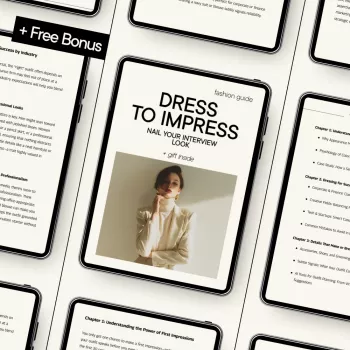
Dress to Impress: Nail Your Interview Look With Outfit Formulas That Boost Confidence
An interview outfit should feel polished, intentional, and aligned with the role—without distracting from what matters: clarity, competence, and confidence. The goal isn’t to look “fashion-forward”; it’s to look prepared and put-together so your presence supports your answers. Use the sections below to decode dress codes, build reliable outfit formulas, and sidestep common styling mistakes.
What “dress to impress” means in an interview
In interview terms, “dress to impress” is simple: wear a cohesive, role-appropriate look that signals respect for the opportunity.
- Prioritize clean lines, great fit, and a head-to-toe look that reads intentional over anything overly trendy.
- Match your formality to the company and role—aim slightly more polished than the everyday standard.
- Choose one quiet “anchor” piece (a blazer, sheath dress, or tailored trousers) and keep the rest streamlined.
- Keep details distraction-free: minimal logos, no loud prints, and shoes you can walk confidently in.
Read the room: role, industry, and interview format
A “perfect” interview outfit depends on context. A finance interview and a startup interview can both be professional, but they speak different visual languages.
- Research signals: company website photos, leadership headshots, employee LinkedIn profiles, and office tour videos.
- Separate industry norms from company culture (finance vs. fintech; law firm vs. legal tech).
- Match the format: in-person (full outfit matters), video (neckline, color, grooming, lighting), or on-site panel (comfort and durability matter).
- If you’re unsure, choose a classic professional base and adjust the formality with shoes, a tie/scarf, and accessories.
For a practical starting point, consult guidance from established career resources such as Harvard Business Review, and use role/industry context from the U.S. Bureau of Labor Statistics Occupational Outlook Handbook.
Interview outfit formulas that rarely fail
When time is tight, reliable formulas reduce decision fatigue while keeping you interview-ready.
Formula 1 (most universal)
Blazer + solid top + tailored trousers or skirt + closed-toe shoes. This works for most industries because it reads structured, clean, and professional.
Formula 2 (sleek and modern)
Structured dress + blazer or cardigan + simple jewelry + neutral shoes. Choose an opaque fabric and a hemline you can sit in comfortably.
Formula 3 (business-casual safe)
Knit blazer or polished cardigan + blouse + dark, non-distressed trousers + loafers. It’s relaxed but still intentional.
Color and fabric cues
- Color: lean on neutrals (navy, charcoal, black, beige) with one controlled accent. Skip neon and busy patterns.
- Fabric: wrinkle-resistant and opaque wins. Avoid clingy, sheer, or noisy materials (squeaky faux leather, heavy sequins).
Quick outfit guide by dress code
Use this as a fast reference point when interpreting what “professional” means in different environments.
| Environment | Safe outfit base | Shoes | Accessories | Avoid |
|---|---|---|---|---|
| Corporate (finance, consulting) | Matching suit or blazer + tailored trousers | Closed-toe pumps/loafers/oxfords | Watch, simple studs, belt | Casual denim, loud prints, open-toe sandals |
| Healthcare admin, education, government | Blazer or cardigan + blouse + tailored trousers | Loafers, flats, low heel | Minimal jewelry, structured bag | Overly trendy items, heavy fragrance |
| Tech (product, engineering, startups) | Polished knit + blazer + dark trousers | Sleek loafers, clean minimal sneakers (only if culture fits) | Simple chain, neat bag | Athleisure, worn sneakers, graphic tees |
| Creative (marketing, design, media) | Classic base + one statement piece | Boots, loafers, modern flats | One focal accessory | Multiple statement items competing at once |
| Video interview (any industry) | Solid top + blazer; camera-friendly neckline | Fully dressed anyway (confidence + readiness) | Small earrings; avoid reflective pieces | Busy patterns, low-contrast colors, noisy fabrics |
Grooming and finishing details that elevate the whole look
Small details are what make an outfit feel “complete,” especially in close conversation or on camera.
- Hair: neat and controlled; pull it back if you’ll touch it when you’re nervous.
- Makeup: balanced and camera-friendly; avoid glitter and heavy contour for video calls.
- Nails: clean and tidy; neutral or classic shades are the safest choice.
- Fragrance: light or skip entirely for close indoor interviews.
- Bag and portfolio: structured, clean, and large enough for copies of your resume and notes.
- Comfort check: sit, stand, walk, and raise your arms—no pulling, gaping, or sliding straps.
Common outfit mistakes that weaken first impressions
Make it easy: a printable-style checklist and a confidence routine
A deeper outfit plan for interviews: the digital style guide
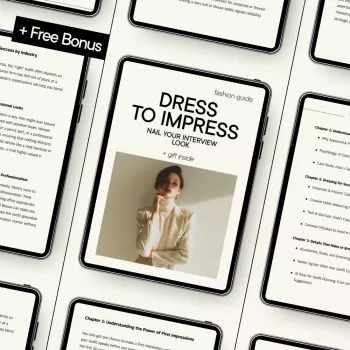
If you want a repeatable system (instead of last-minute guessing), Dress to Impress: Nail Your Interview Look (digital download) organizes interview dressing into clear formulas, practical combinations, and fast decision rules—so you can focus on the conversation, not your closet.
For video interviews and remote days leading up to interviews, protecting your gear can also help you feel more prepared and less frazzled. If you rely on headphones for practice calls and meetings, the 3D Resin AirPods Max Case Alien Snake Design offers a protective option that keeps your setup looking intentional and well-kept.
FAQ
How to dress to impress at an interview?
Start with fit and tailoring, then choose a conservative professional base that matches the company’s norm while staying slightly more polished. Keep accessories minimal, make sure shoes are comfortable and clean, and do a full sit/stand/walk test the day before. When unsure, choose the more classic option and let one structured piece (like a blazer) lead.
What does dress to impress mean for a job interview?
It means showing up in intentional, role-appropriate professional attire that removes distractions and signals readiness. The best look is cohesive, well-maintained, and aligned with the company’s level of formality so attention stays on your skills and communication.








Leave a comment